Last updated November 21, 2026
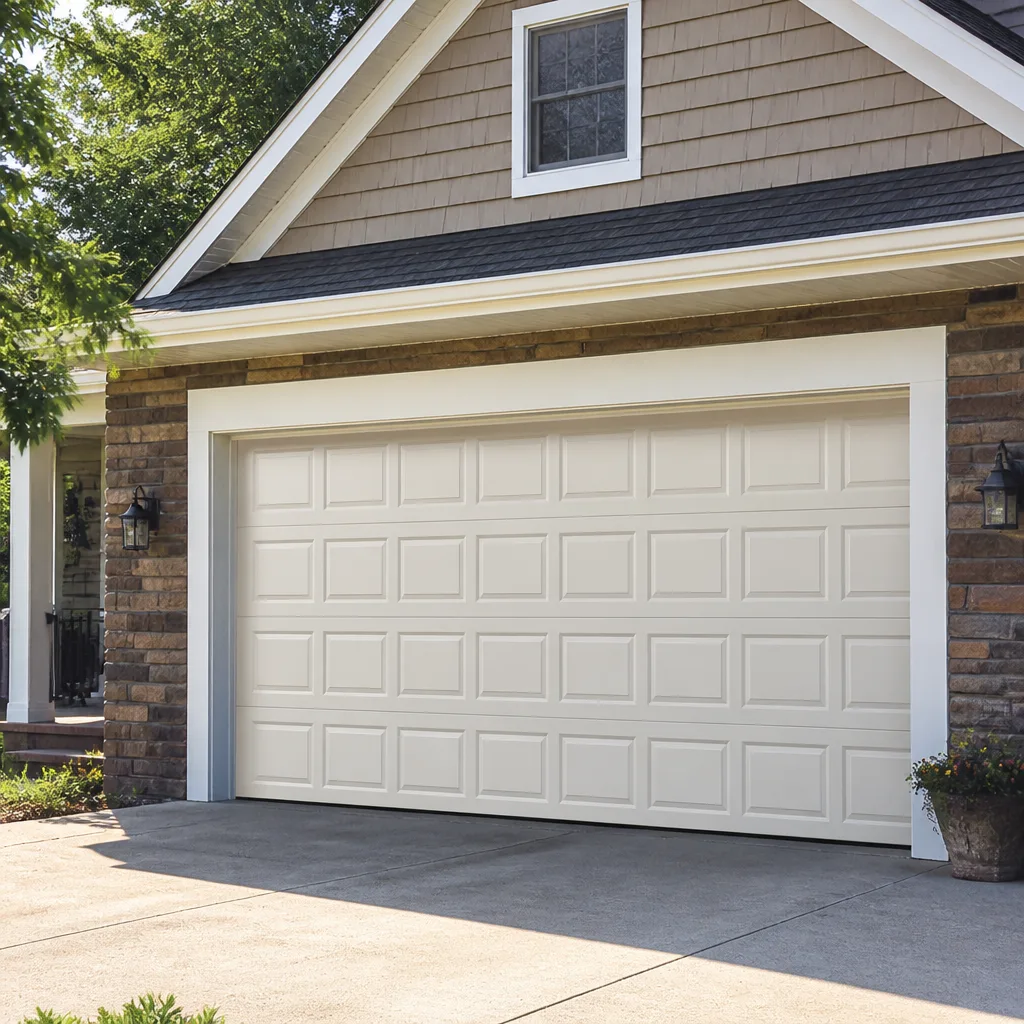 Raised-panel steel
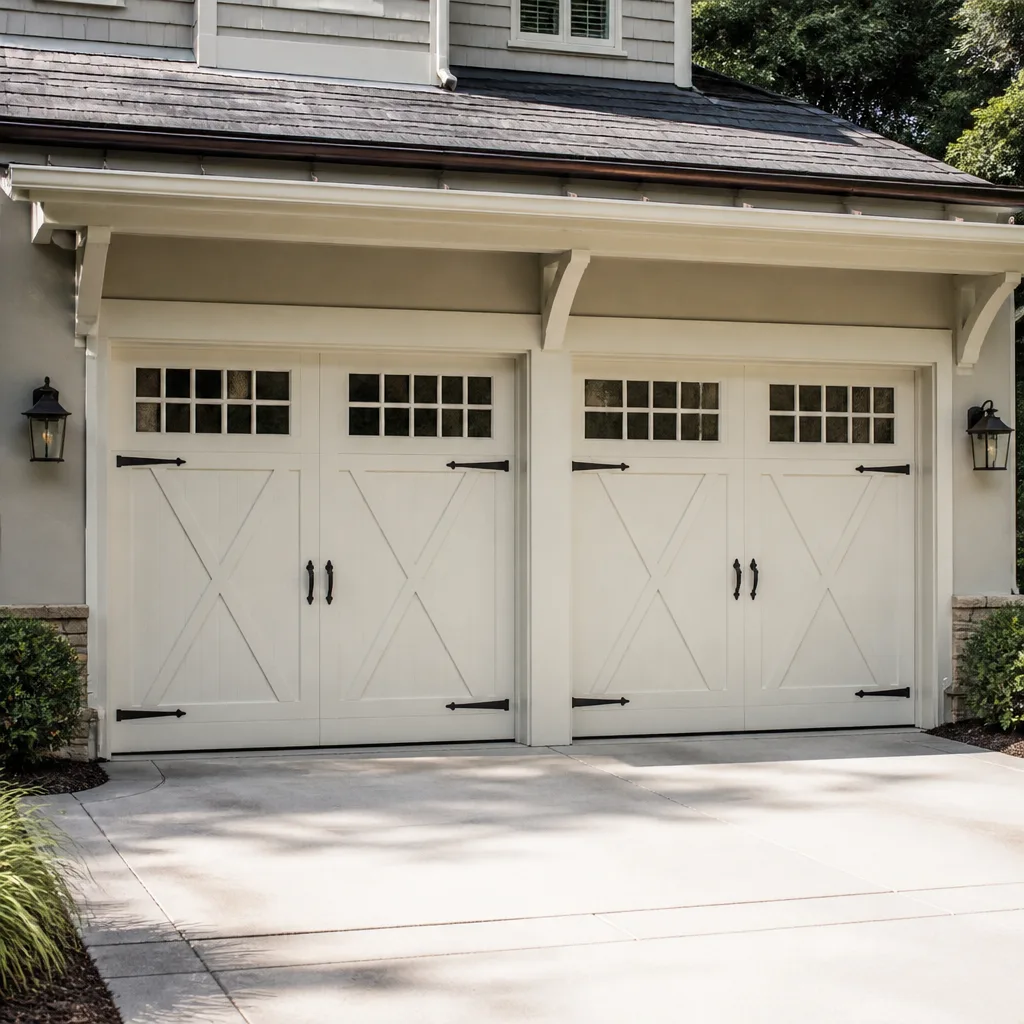 Carriage house
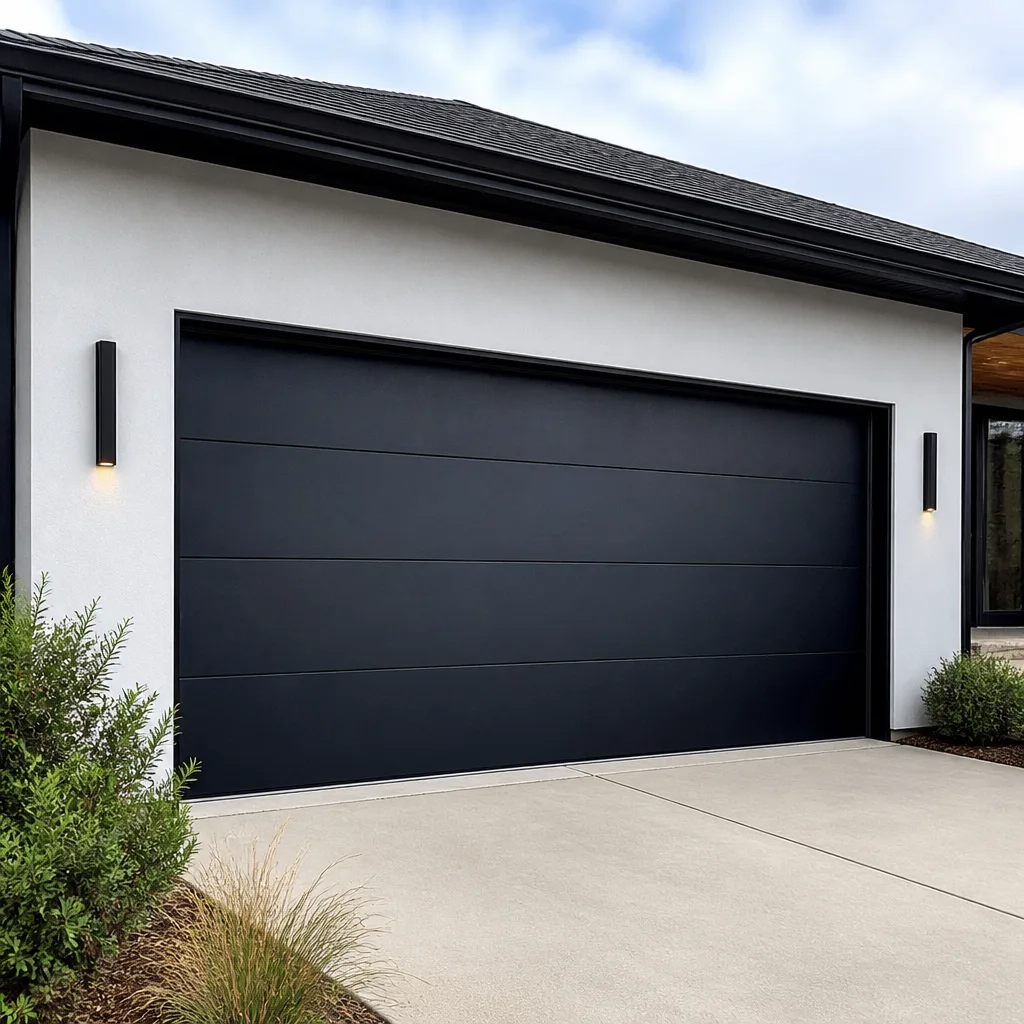 Modern flush
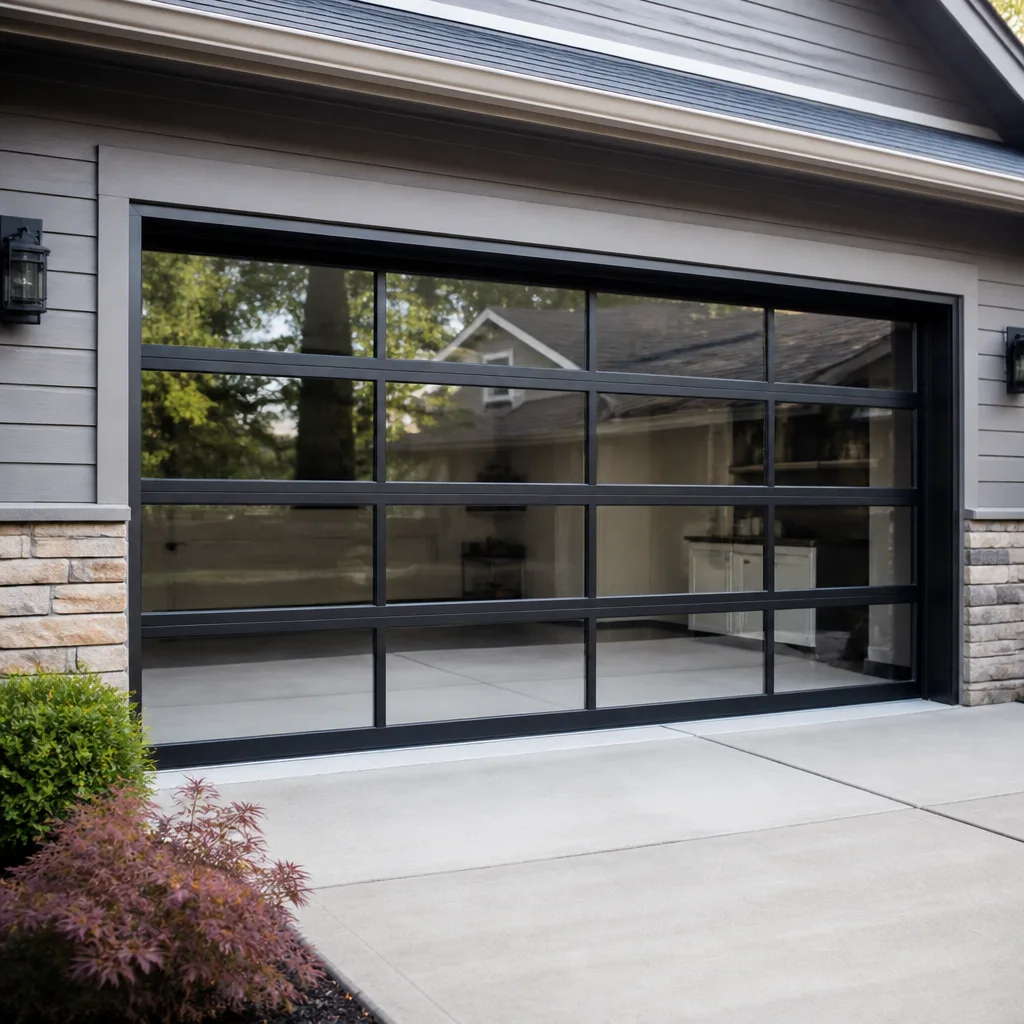 Full-view glass
 LiftMaster openers
 Chamberlain openers
Full 25-point door and opener safety check with every visit - springs, cables, rollers, tracks, and your LiftMaster or Chamberlain opener included
You get a price before we start. It does not change when the pro arrives.
Get your free estimateGarage Door Permits, Codes & Inspections in Co-op City, NY: What You Need to Know
Here’s the part that surprises most homeowners: swapping a garage door for a new one of the same size usually doesn’t require a permit in New York City. That’s the ordinary case, and it’s why so many people never think to check. But the exceptions are where the trouble hides. Widen the opening, reframe the header, or run a new 240-volt circuit for a heavier opener, and you’ve left the exemption behind and entered Department of Buildings territory. This guide walks through where the line sits under the NYC Building Code, how it works in Co-op City, and what to keep in mind at resale.
Quick Answer
A like-for-like garage door replacement in Co-op City and the rest of New York City is typically exempt from a DOB permit. Work that changes the size of the rough opening, alters a structural header, or adds a hardwired electrical circuit for an opener generally does require one, and the plan is to confirm with the NYC Department of Buildings before the job starts rather than after.
Styles & brands we work with
- Raised-panel steel
- Carriage house
- Modern flush
- Full-view glass
- LiftMaster openers
- Chamberlain openers
Table of Contents
- What does the NYC Building Code say about garage door permits?
- When is a garage door replacement permit-exempt?
- When does a structural header modification trigger a DOB filing?
- Do hardwired openers need an electrical permit in NYC?
- How do Co-op City’s own guidelines layer on top of city code?
- What do inspectors actually look for after the work is done?
- How does permit history affect a property sale?
- Common mistakes to avoid
What does the NYC Building Code say about garage door permits?
NYC Building Code Section 28-105 is the section that governs when a permit is required and when work is exempt. For garage doors, the practical reading is straightforward: routine replacement and repair of a door, tracks, springs, cables, rollers, and hinges on an existing opening generally falls on the exempt side. The exemptions cover ordinary maintenance and repair that doesn’t change a structure’s use, occupancy, or the way it carries load. A new door of the same dimensions in the same frame is the classic example.
Where the code gets specific is when the work touches something structural or adds a new system. If you cut into a header to widen an opening, you’ve changed the structural system, and that’s a permit job. If you’re adding a circuit, that’s a permit job on the electrical side. The code doesn’t care whether the door is a basic steel model or a premium Amarr carriage-house door. It cares whether the work changes the building.
It’s worth understanding that Section 28-105 covers the whole city, so the same rules apply in Co-op City as they do in any other part of the Bronx. How you approach the permit process can differ, though, because a lot of Co-op City housing is cooperative and multi-family, which brings in another layer of rules we’ll cover below.
- Repair or replace existing door in same opening: typically exempt
- Change door size or widen the rough opening: permit required
- Modify a structural header or lintel: permit required, with plans
- Add a hardwired circuit for a new opener: electrical permit required
- Swap a plug-in opener for a plug-in opener: typically exempt
If you’re planning a replacement and want to know what the work itself involves, garage door installation goes through the process from measurement through to the finished door.
When is a garage door replacement permit-exempt?
The short answer: when the new door matches the old in size, position, and function, and the work doesn’t touch the structural frame or the electrical system. That covers the overwhelming majority of garage door replacements in Co-op City. You’re replacing a worn Clopay panel with another Clopay panel, mounting new tracks in the existing brackets, and re-hanging springs on the existing torsion bar. The door is a fixture, not a structure.
The exemption isn’t a free pass, though. It’s a rule with conditions, and those conditions are where a lot of homeowners get sloppy. Replacing a door under the exemption still means the door needs to be installed correctly, safely, and to its manufacturer’s specs. The safety standards built into modern doors – the auto-reverse feature, the photo-eye sensors, the tension-monitoring for the springs – still apply whether or not a permit was filed. Inspectors at resale time can and do flag doors that are missing those features, even if the door wasn’t technically a permitted installation.
There’s also the question of what “exempt” actually means in practice. It means you don’t need a DOB permit for that scope of work. It does not mean you can skip checking whether the building itself has rules about the door – which it may if you live in a cooperative like most of Co-op City. We’ll get to those rules below.
If you want a check before ordering a new door, our Garage Door Repair Co-op City team can look at the current opening and confirm what you’re working with. It saves a lot of second-guessing.
When does a structural header modification trigger a DOB filing?
Any time the work changes the size of the rough opening or alters the load-bearing header above the garage door, you’re in DOB filing territory. That includes widening the opening to fit a larger door, raising the header for a taller door, removing or replacing a lintel, or converting a section of wall into an opening that wasn’t there before. These are structural changes, and the code treats them as such regardless of whether the door itself is new or reused.
What “a DOB filing” actually means varies with the project, but the general shape looks like this:
- Get the plans together. A licensed architect or engineer drafts the plans showing the current structure and the proposed change, including how the load will be carried.
- File with the DOB. The filing goes through the Department of Buildings, either as a full job filing or a smaller alteration depending on scope. A licensed professional handles this step.
- Get the permit issued. Once the plans are approved, the permit gets issued, and the work can proceed.
- Schedule inspections. Structural changes generally need inspection at set stages – after framing, before closing walls, and at final. Miss an inspection and the job isn’t signed off.
- Close the permit out. Once inspections pass, the permit gets signed off and the record shows the work as complete. This matters for resale.
Co-op City garages often sit in blocks of attached units, which means a header change in one unit’s opening affects the neighboring structure too. That’s a big reason structural door work moves faster with a licensed engineer on the drawings and a contractor who’s done this kind of filing before. Our role is the door and the opener; the structural engineering and filing sits with the licensed professional the job requires, and we coordinate with them rather than around them.
Do hardwired openers need an electrical permit in NYC?
Yes, in most cases. If a garage door opener installation involves running a new hardwired circuit, adding an outlet where none existed, or upgrading a circuit to handle a heavier opener, the electrical work falls under the NYC Electrical Code and requires an electrical permit. That’s true even if the door itself is a like-for-like replacement and the door work is exempt. The door and the opener are two separate systems – one is a fixture, the other is an electrical installation.
The good news is that swapping a plug-in opener for another plug-in opener, using an existing outlet, is typically exempt. The key question is whether new wiring is being added or an existing circuit is being modified. If yes, permit. If no, likely exempt.
Where this gets practical in Co-op City is with the push toward heavier openers – belt-drive units, smarter Wi-Fi-enabled openers, and the ones that handle a higher door weight. A quality opener like a modern LiftMaster or a Chamberlain smart opener often needs dedicated power if the garage wiring is old or shared with lighting. We see plenty of garages where the existing outlet is on a circuit that trips the moment the opener runs alongside a light and a freezer. Running a dedicated circuit is the right fix, and that means an electrician and an electrical permit.
When the opener is failing rather than being replaced, the issue is usually fixable on the existing wiring, and garage door opener repair covers the diagnosis side of that.
How do Co-op City’s own guidelines layer on top of city code?
Co-op City is one of the largest cooperative housing developments in the country, and most of its housing is managed by the cooperative rather than by individual owners in the traditional sense. That changes the permit math. Even when a garage door replacement is exempt from a DOB permit, the cooperative may have its own approval process for any change to the exterior appearance, and any work affecting a common-area garage or a shared structural element is almost certainly going to need written approval before it happens.
The practical steps look like this:
- Read your proprietary lease or house rules. Most cooperatives spell out what counts as an alteration and what approval it requires. Door color, style, and panel design are often covered here.
- Request written approval from the board or management. Get the approval in writing – an email is fine – and keep it with your records.
- Confirm the door spec matches the approved design. If the coop approves a specific style, ordering a different one creates a small headache that becomes a big one at resale.
- Coordinate common-area access ahead of time. Shared driveways and common-area garages need scheduling so the technicians can work without blocking anybody.
- Save the approval, the spec sheet, and the invoice. When you sell, these documents matter as much as a DOB sign-off on structural work.
We run into this all the time on Co-op City doors. A cooperative door replacement is rarely just about the door. It’s about the door, the coop’s rules, and the neighbors. Our technicians have up to 10 years of experience with cooperative housing stock, and coordinating access around a shared garage is part of the job.
What do inspectors actually look for after the work is done?
An inspection is a check that the work was done the way it was supposed to be, and that it’s safe. For permitted garage door installations, the inspector is looking at the structural work first, then the door system as a whole. For exempt replacements, there may not be a formal inspection, but a home inspector at resale time performs a similar check. Either way, the same list comes up.
- Structural framing and header: the load is being carried the way the plans show, and any new framing matches the approved drawings.
- Opener mounting: the header bracket is attached to solid structure, not drywall or a hollow surface.
- Auto-reverse safety feature: the door reverses on contact with an object. On older homes, this may need a physical test.
- Photo-eye sensors: the light-beam sensors near the floor are mounted, aligned, and working. This applies to nearly every opener made since the early 1990s.
- Spring and cable condition: springs are under tension and intact, cables are run correctly through the pulleys, and neither shows signs of wear or failure.
- Balance and travel: the door travels evenly, closes fully, and doesn’t bind on its tracks.
- Electrical connections: for permitted electrical work, the circuit is wired correctly and cleared by the electrical inspector.
The one most Co-op City doors fail isn’t structural. It’s the small stuff: sensors that were never re-aimed after a door replacement, or an opener that’s mounted to a header that wasn’t framed properly. These get flagged as “garage door needs attention” in a home inspection report and turn into a negotiation item at sale.
How does permit history affect a property sale?
Buyers and their inspectors look at the permit history of a house as part of due diligence, and a garage door that was modified without permits shows up in a specific way. If a door widening or a structural change shows up as unpermitted work, the buyer’s lender can require it to be permitted retroactively, and the cost of getting that filing complete – engineer drawings, inspections, sign-offs – often lands on the seller. It’s rarely about the door itself. It’s about the paper trail the door sits inside.
For a like-for-like replacement, you don’t have a permit gap to worry about, but you do want to keep the records that show the door was replaced. A few things worth saving:
- The manufacturer spec sheet – brand, model, and size
- The invoice showing the replacement date
- Any cooperative approval or board correspondence
- Photos of the finished install, showing the safety sensors and opener
If you’re already working through the replacement decision, garage door repair can help you figure out whether replacement is actually needed or whether the existing door has plenty of life left. We’d rather tell you to repair than to replace when repair is the honest answer.
Common Mistakes to Avoid
- Assuming all door replacements are exempt. They are, if the door matches the opening and the structure and electrical don’t change. Change either of those, and the assumption falls apart.
- Skipping the cooperative approval in Co-op City. A DOB-exempt replacement still needs the coop’s sign-off in most buildings, and doing the work first and asking second is a costly mistake.
- Running a new opener circuit without an electrical permit. This one is very common, and it’s the single most frequent reason a simple opener upgrade turns into a filing.
- Replacing a door and not re-aiming the safety sensors. The door works on the day of install and fails the home inspection a year later because the sensors were never aligned to the new track.
- Ordering the wrong door for the approved spec. Get the coop approval in writing with the door spec, then match the order to it. A mismatch is a headache in a cooperative.
- Letting tension off a torsion spring without the right tools. Springs under tension can cause serious injury. This is not a repair to take on with hand tools from the closet.
- Throwing away the invoice and spec sheet. At resale, both documents do real work for you, especially for a permitted replacement.
See the difference
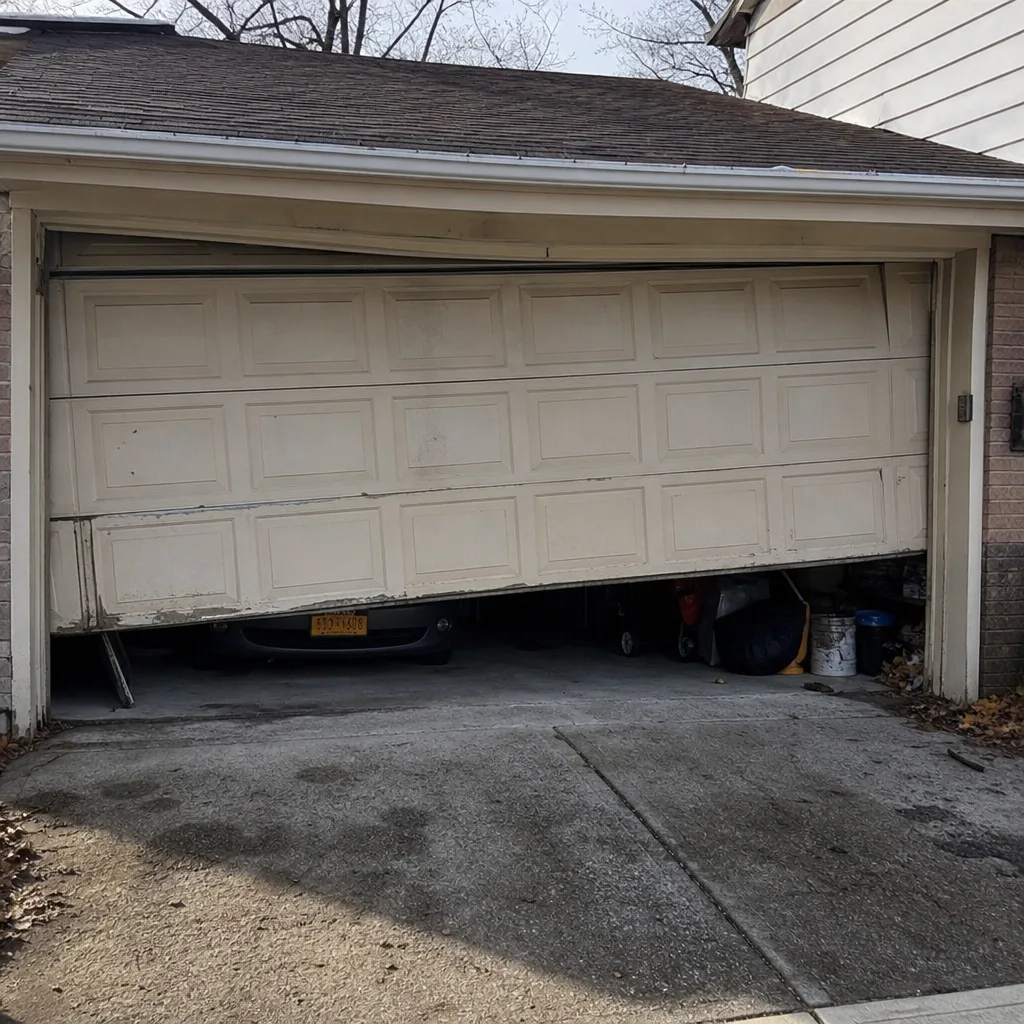 Before
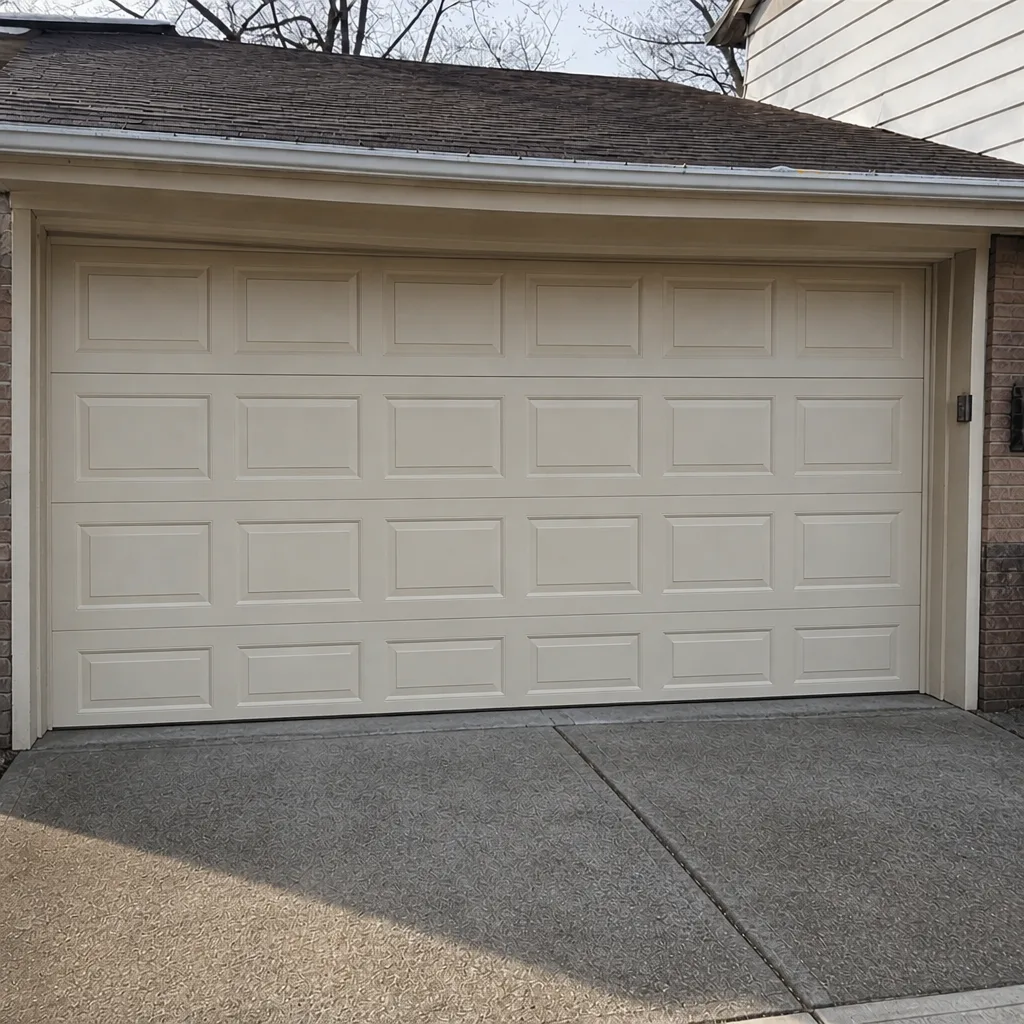 After
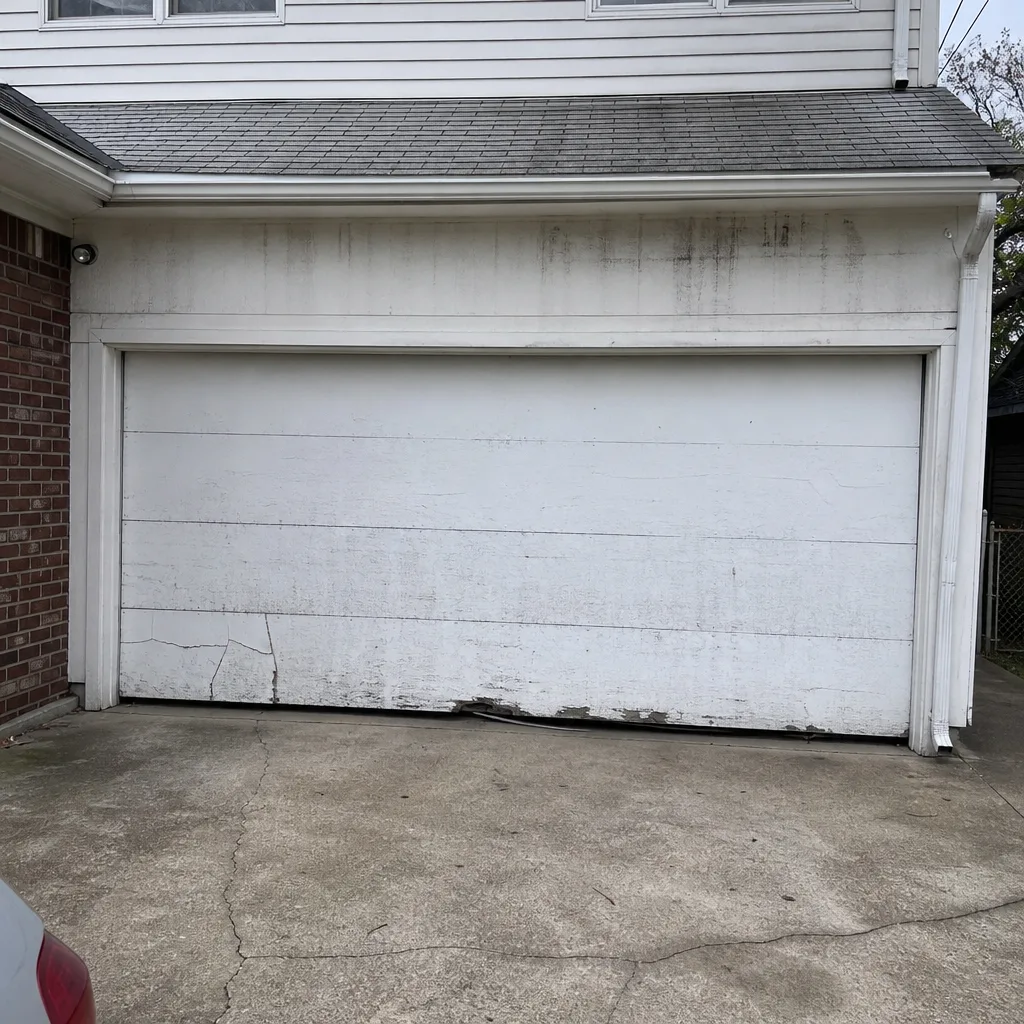 Before
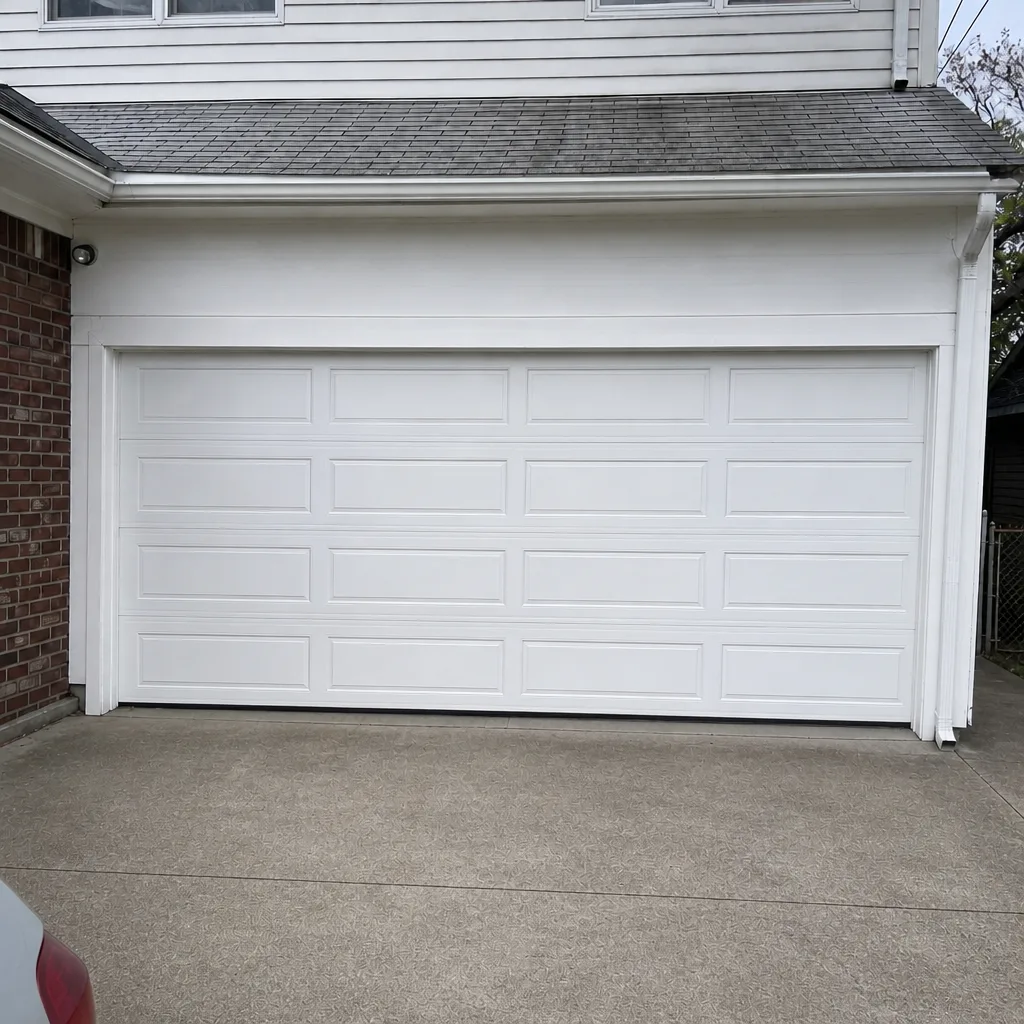 After
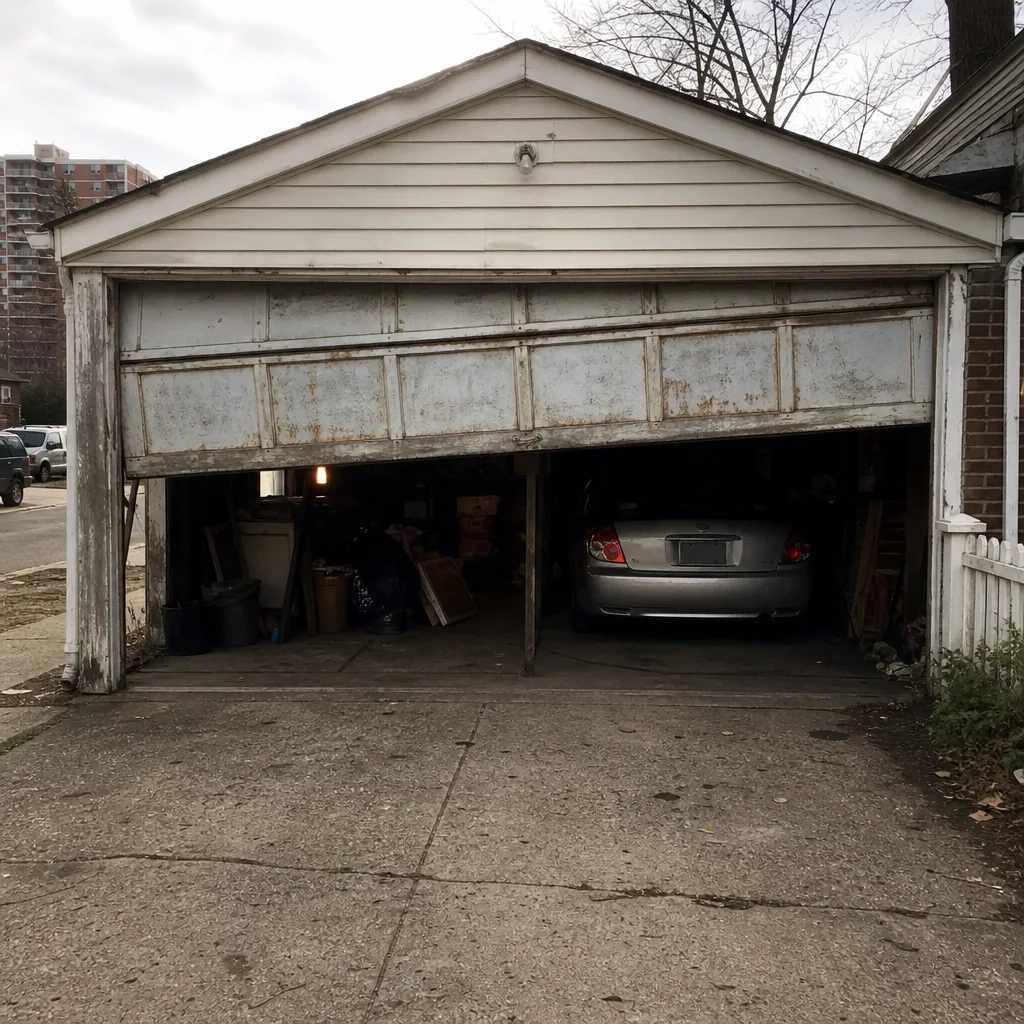 Before
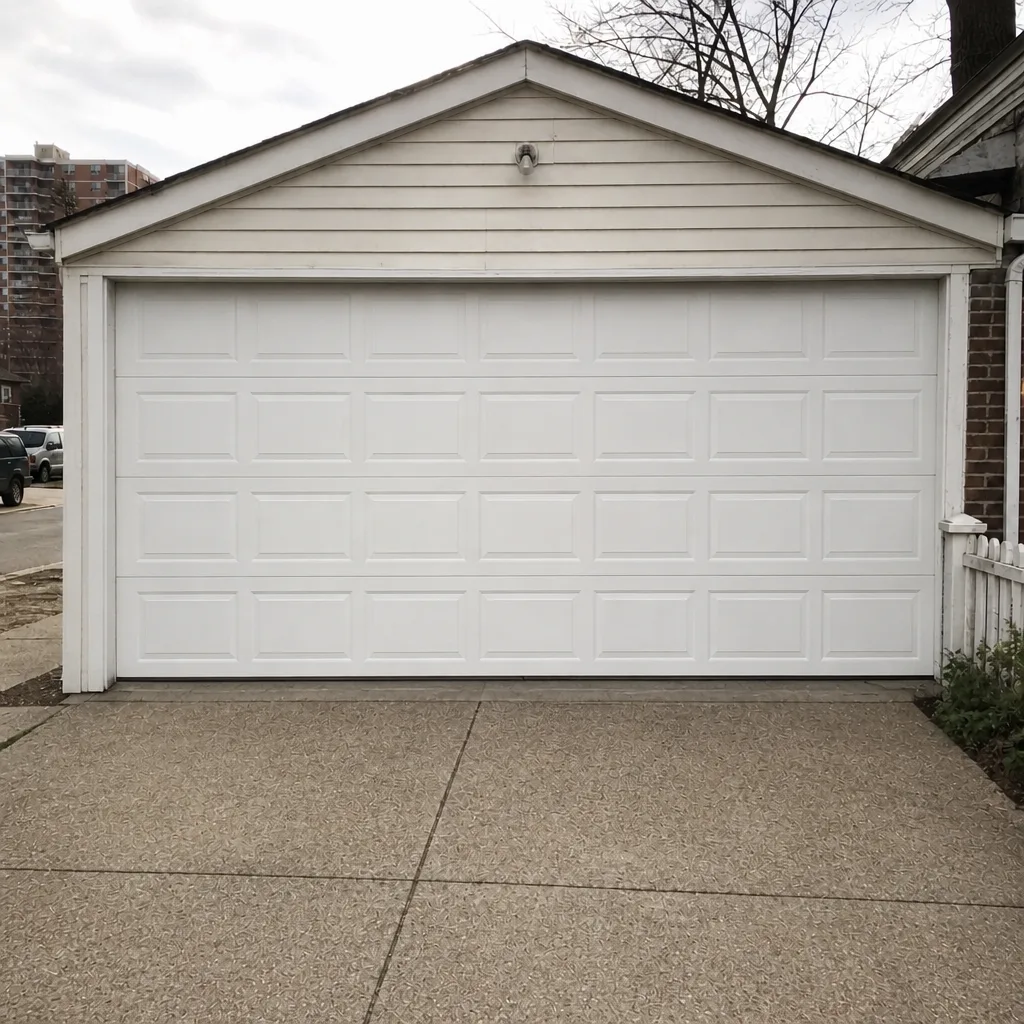 After
When to Call a Professional
Call us when the door won’t open or close safely, when a spring has snapped, when the opener runs but the door doesn’t move, or when the door has come off its tracks. Call us when you’re planning a replacement and want to know whether the work you’re considering crosses into permit territory – we’ll tell you honestly. Call us when you’ve got a coop approval in hand and need the door installed to spec. Call us when the door is old enough that a like-for-like replacement is the simpler choice. Garage Door Repair Co-op City offers free estimates in Co-op City – call (844) 741-4548. The written estimate is the price, and any work that needs a permit gets flagged before anything starts.
Frequently Asked Questions
In most cases, no. A like-for-like replacement of a garage door in Co-op City is typically exempt from a NYC Department of Buildings permit, because you’re replacing a fixture without changing the structure or the electrical system. The exceptions are structural changes to the rough opening or header, or adding a new hardwired circuit for an opener. Call (844) 741-4548 if you want help confirming which side of the line you’re on – estimates are free.
Yes, if the installation involves new wiring, a new outlet, or a circuit modification. Swapping a plug-in opener for another plug-in opener on the existing outlet is generally exempt. If you’re upgrading to a heavier unit like a modern LiftMaster or Chamberlain and adding a dedicated circuit, that licensed electrical work needs a permit under the NYC Electrical Code. Call (844) 741-4548 to talk through the scope before you buy the opener.
Almost always, yes. Cooperative housing rules typically cover exterior appearance and any change to a common-area garage, so approval from the board or management should come before the order. Get it in writing and keep it with your records. Our team can coordinate the install around your approval schedule – call (844) 741-4548 for a free estimate.
The buyer’s lender can require the work to be permitted retroactively, and the cost of that filing lands on the seller in most cases. A missing permit on widened openings or header changes can delay a sale or become a negotiation item. A like-for-like replacement without a permit isn’t usually an issue, but keep the invoice and spec sheet so the record is clear. Call (844) 741-4548 if you want to know what your existing door’s situation looks like.
Yes – torsion and extension springs are under hundreds of pounds of tension, and releasing that tension wrong can cause serious injury. This is not a repair to attempt with hand tools, and no reputable guide will walk you through it step by step. If a spring has snapped, keep the door closed and call (844) 741-4548 for a professional repair. Estimates are free and we’ll come out.
A like-for-like replacement in Co-op City is usually a single-day install once the door is ordered and on site. Add a week or two for the order and delivery, and add more time if a permit is needed for structural or electrical work – that filing has its own timeline. Call (844) 741-4548 for a free measure and a written price so the schedule is clear from the start.
The Bottom Line
Most garage door replacements in Co-op City don’t need a permit. The ones that do involve structural changes, new electrical circuits, or the specific approval rules that come with cooperative housing. The line is clear once you know it: replacing the door in the same opening is a fixture swap, and everything that touches the structure or the wiring is a filing. Get the cooperative’s sign-off even when the DOB permit isn’t needed, keep your paperwork, and call a professional for the spring work – that’s not a job for a Saturday afternoon. Our technicians have up to 10 years of experience and work on the brands you already own. If you want a straight answer on your specific door before anything starts, call (844) 741-4548.
Written by the team at Garage Door Repair Co-op City.