Last updated November 21, 2026
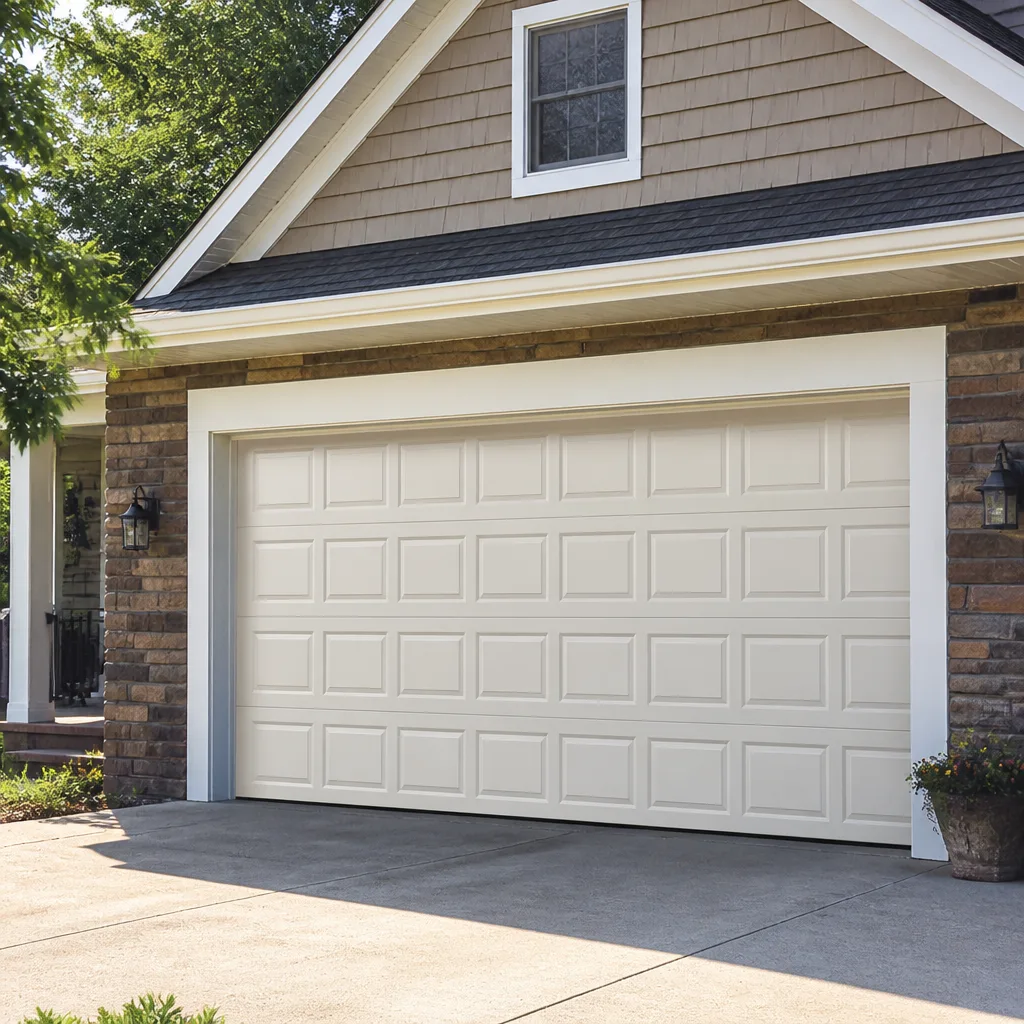 Raised-panel steel
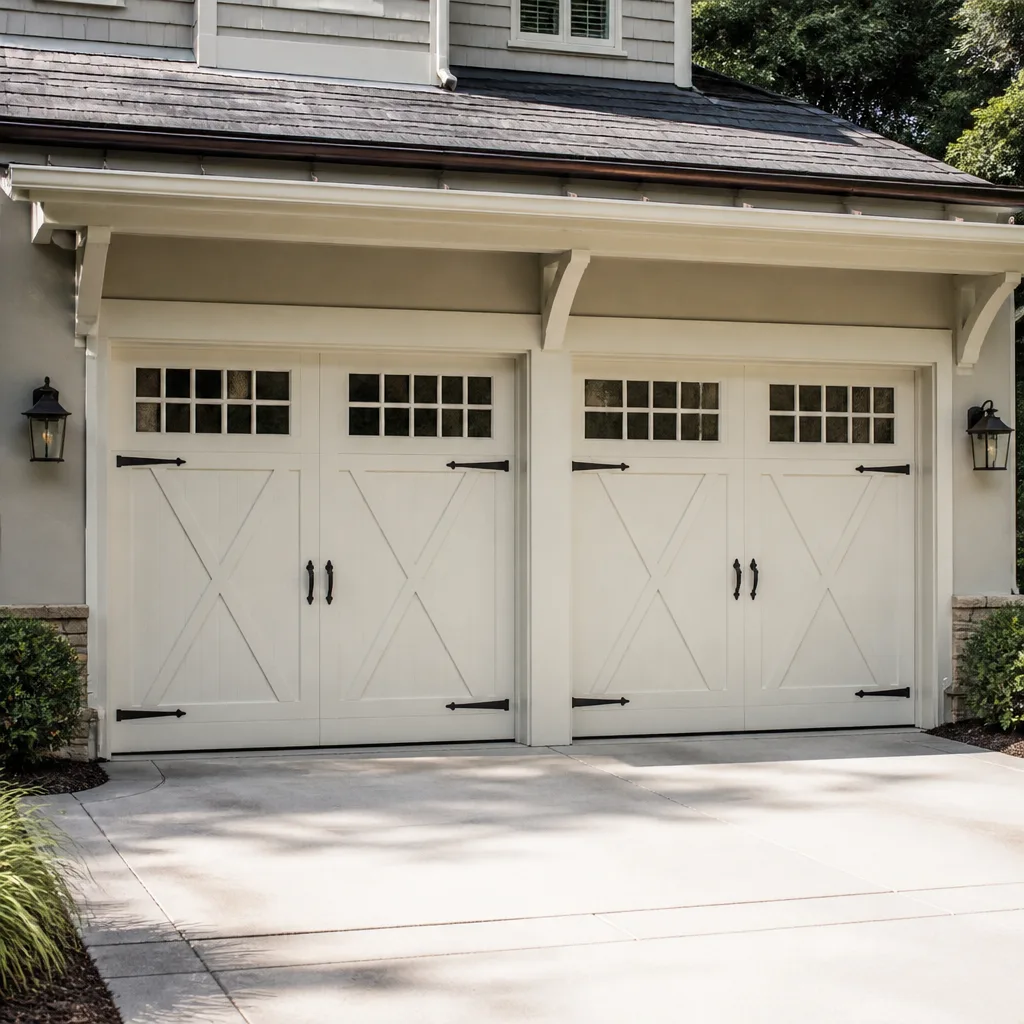 Carriage house
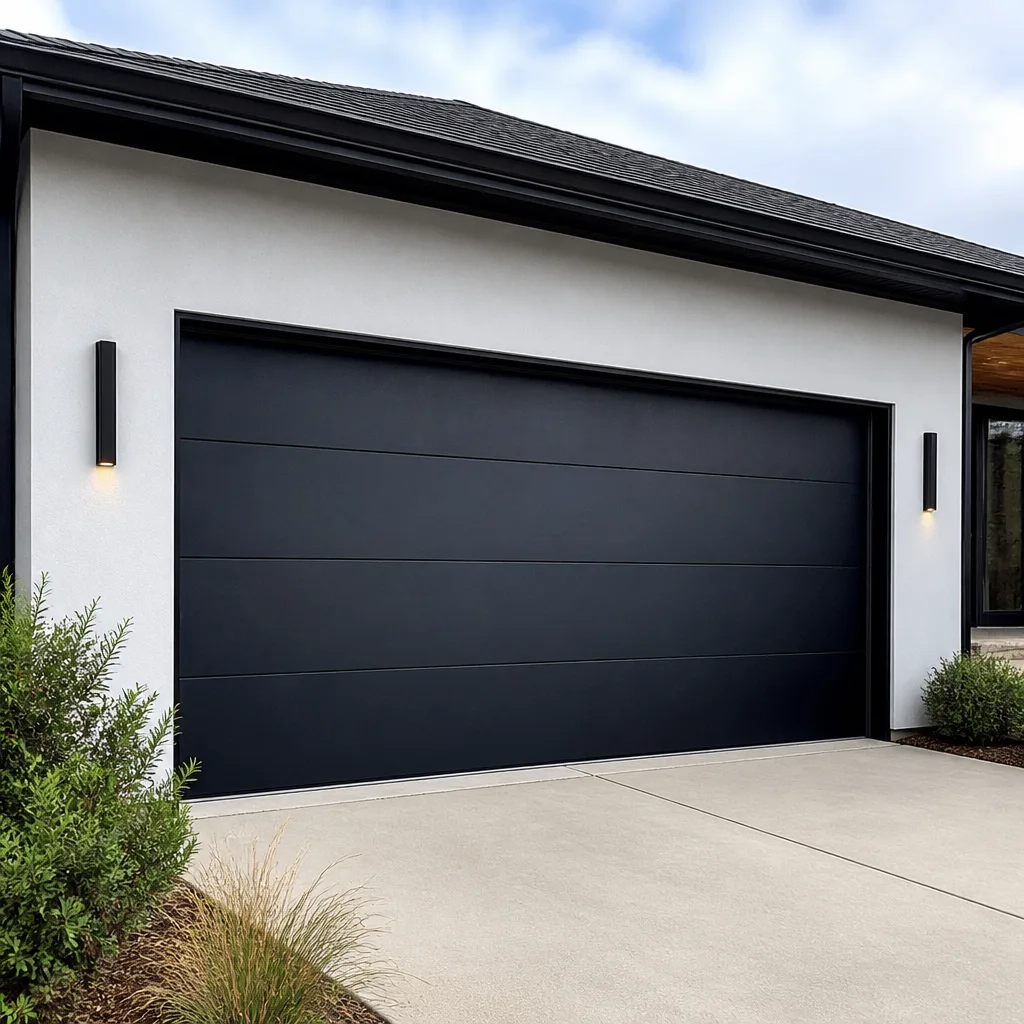 Modern flush
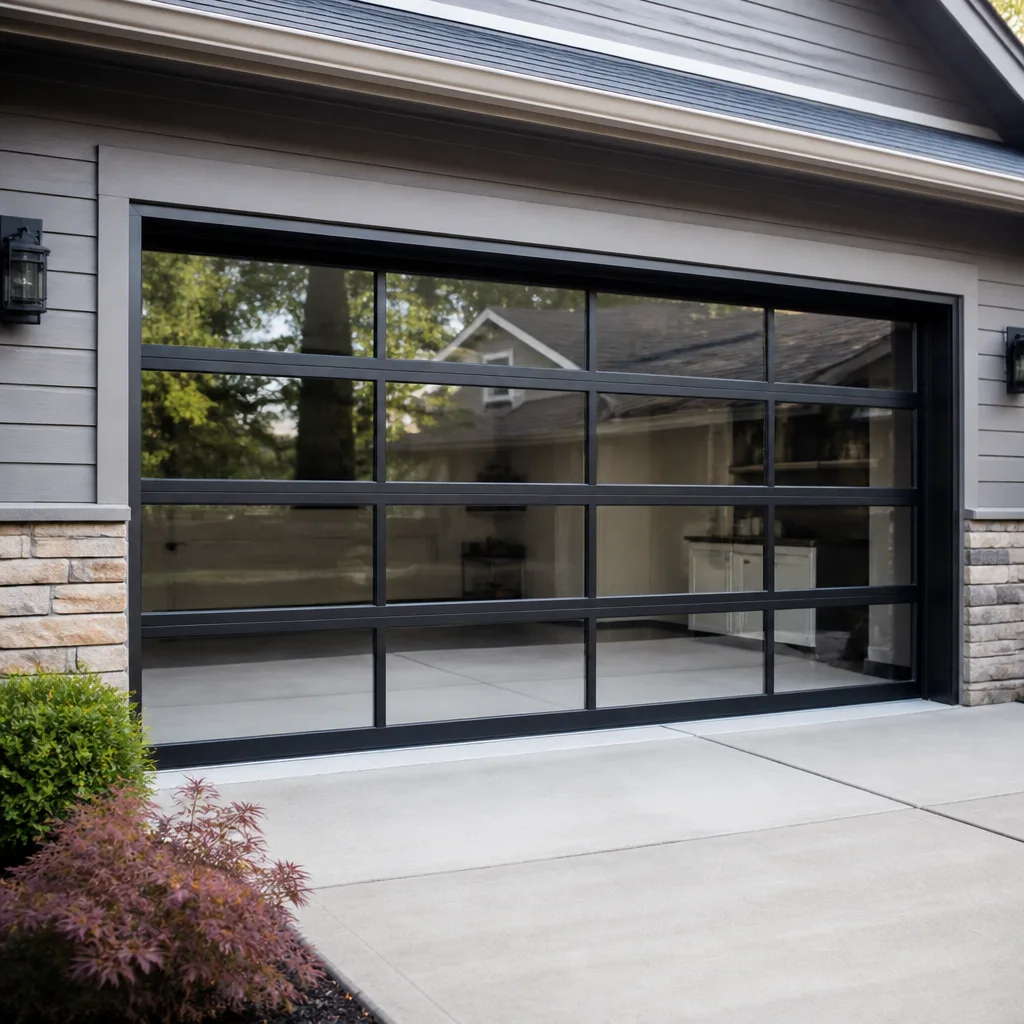 Full-view glass
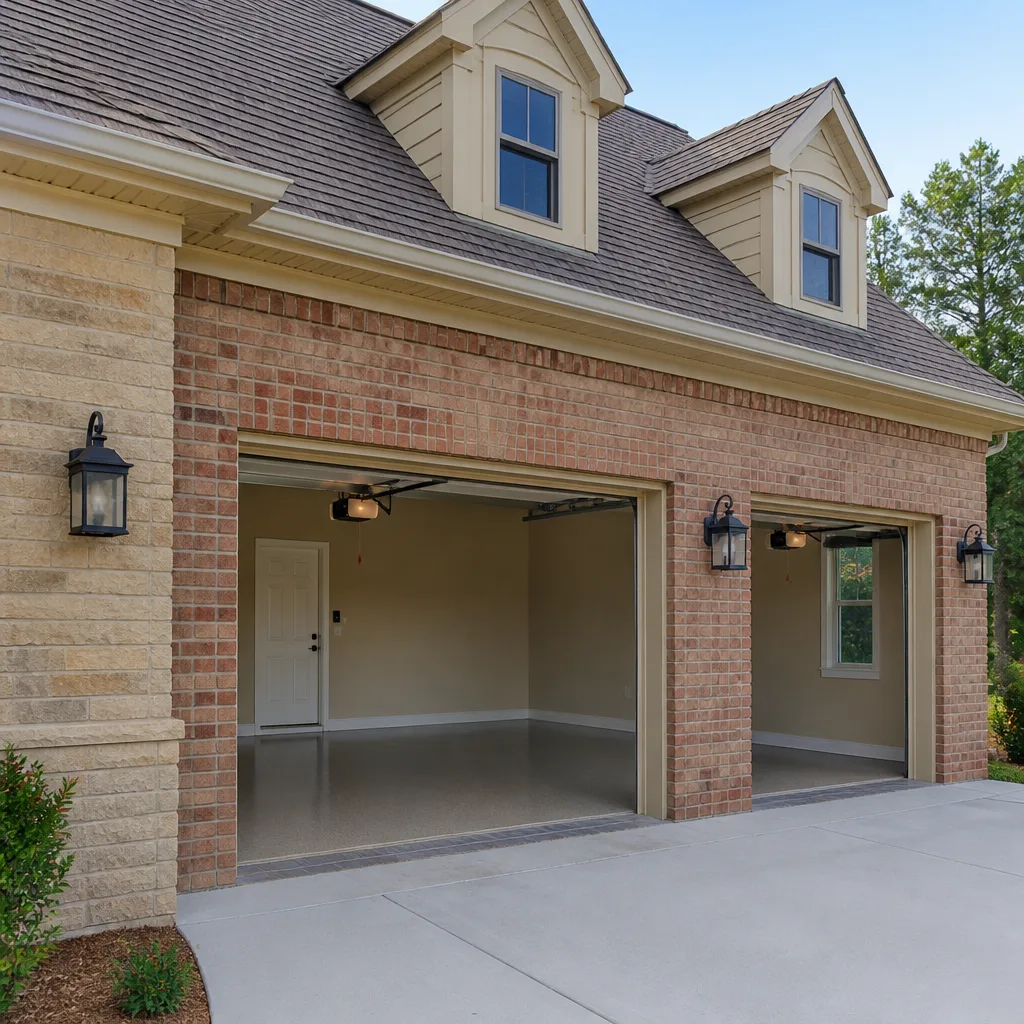 LiftMaster openers
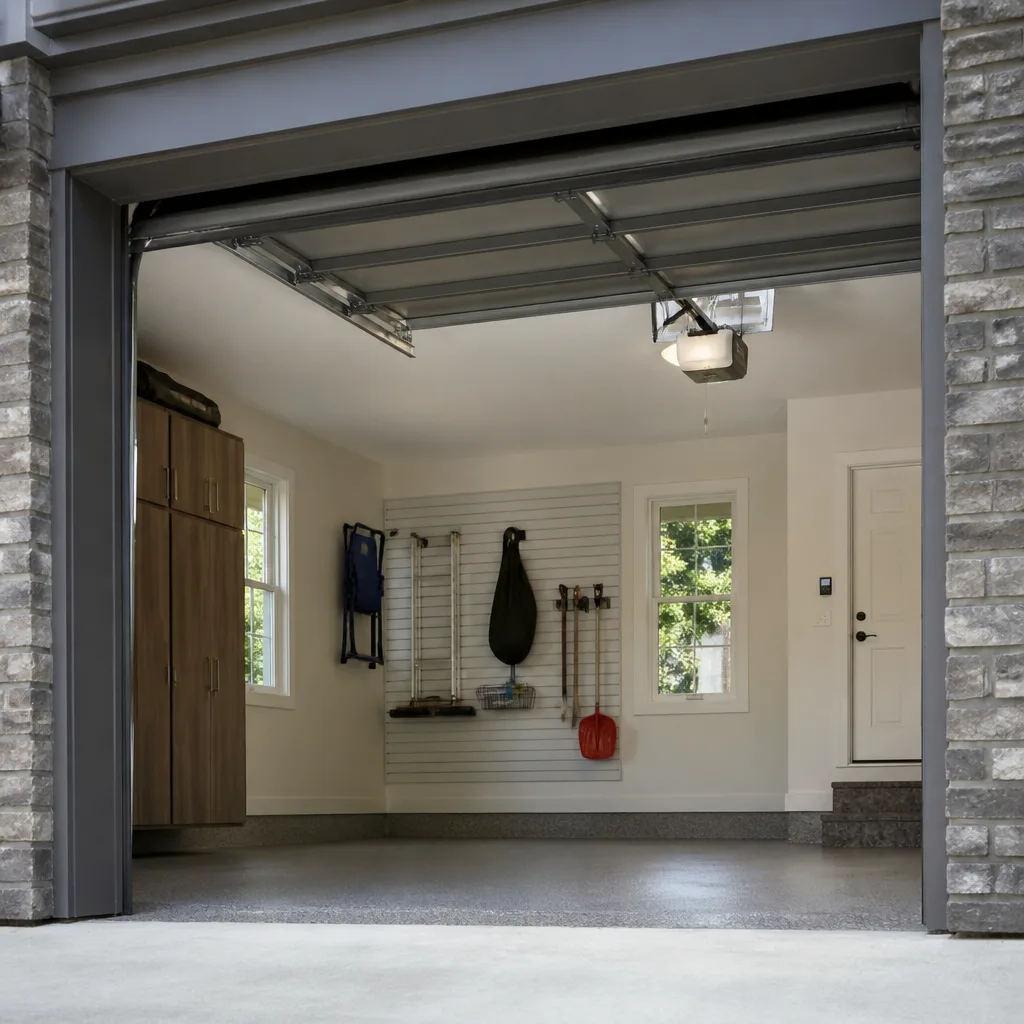 Chamberlain openers
Full 25-point door and opener safety check with every visit - springs, cables, rollers, tracks, and your LiftMaster or Chamberlain opener included
You get a price before we start. It does not change when the pro arrives.
Get your free estimateChoosing the Right Garage Door Brand: A Buyer’s Guide for Co-op City
The most expensive brand isn’t always the best-supported brand in your zip code. That’s the part of garage door shopping almost nobody explains before the sale. A premium door whose panels, hinges, drums and springs no local distributor stocks can turn a two-hour fix into a week of waiting, and it can cost more over the life of the door than a comparable mid-tier model that any Bronx-area supplier can pull from a shelf. In this guide, we’ll map out how brand choice actually plays out for Co-op City homeowners – parts availability in the Bronx, dealer and service coverage, and how materials hold up in a northeastern urban climate with heavy daily cycle use.
Styles & brands we work with
- Raised-panel steel
- Carriage house
- Modern flush
- Full-view glass
- LiftMaster openers
- Chamberlain openers
Quick Answer
For Co-op City, the best garage door brand is the one whose steel gauge, insulation and parts ecosystem match how you actually use the door – not the one with the biggest ad budget. Most homeowners here are well served by a mid- or upper-tier steel door from Clopay, Amarr, Wayne Dalton or Raynor, paired with a LiftMaster, Chamberlain, Genie or Craftsman opener that your existing drive system can support. Choose a brand that local suppliers stock and service, confirm the warranty covers parts availability, and get the door and opener quoted together as one system.
Table of Contents
- Why Brand Choice Matters More Than Color or Style
- How to Evaluate a Brand’s Parts Ecosystem in the Bronx
- Steel Gauge and Insulation: What Actually Holds Up in a Northeastern Urban Climate
- The Brands Most Commonly Installed in Co-op City
- Opener Compatibility: Can Your Existing Opener Stay?
- Dealer and Service Coverage: Why It Matters More Than You Think
- 7 Steps to Evaluate a Brand Before You Buy
- Common Mistakes to Avoid
- When to Call a Professional
- Frequently Asked Questions
- The Bottom Line
Why Brand Choice Matters More Than Color or Style
Model number determines what happens after the sale. Color fades into the background the moment the door starts acting up. Brand is the part that sticks around, because it decides which parts a technician can actually find, how quickly a service call resolves, and how the warranty process works if something fails years down the road. In Co-op City, where a lot of homes sit in dense, closely built sections and the door is used many times a day, those long-term decisions add up fast.
Ask three practical questions before you look at style: How common is this brand and model? Can a local pro get replacement parts without waiting on a special order? Does the same brand still make the opener or accessory pieces that pair with this door? We work on the brand you already have for exactly that reason – the door on your house is the door that matters, and knowing the eight most widely owned lines means the diagnosis is accurate the first time and the right parts go in on the first visit.
Also think about the door and the opener as one system, not two separate purchases. The opener’s drive (chain, belt or screw) and its spring balance have to work with the door’s weight and track geometry. A door built for a low-cycle motor with a heavy torsion spring is a different animal from a lightweight, well-insulated door that runs smoothly on a belt drive. Brand choice on one side of that system affects the other.
- Parts availability – can a Bronx-area supplier get the part without a special order?
- Warranty terms – does it cover the parts that actually fail, and for how long?
- Opener pairing – does a compatible opener exist for your garage and power setup?
- Service network – is there a pro nearby who has worked on this exact model?
How to Evaluate a Brand’s Parts Ecosystem in the Bronx
A parts ecosystem is the network of distributors, dealers and service technicians who can put their hands on a replacement part when you need it. A brand with a strong ecosystem is one whose rollers, hinges, cables, drums, springs and panels are commonly in circulation. A brand with a weak ecosystem can leave you waiting on a factory shipment even for something as basic as a hinge or a roller.
Here’s how to assess a brand’s ecosystem before you commit to a purchase:
- Ask the installer what they keep on hand versus what they special-order. If most of the small parts come from stock, you’re in good shape.
- Ask how long a special-order panel or spring set typically takes. A brand that can answer that quickly usually has a real supply line.
- Check that the same brand makes the matching opener or that a well-supported brand pair is available for the drive side.
- Confirm whether the manufacturer’s warranty is handled through the dealer or directly. The dealer route is usually faster when the brand has local coverage.
- Look at what’s already installed on the street. If most of the doors in your part of the Bronx are one or two brands, those are the ones a service call will resolve fastest.
This is where brand knowledge becomes a practical advantage rather than a marketing line. When you call for garage door repair, a technician who knows the model can tell you over the phone how likely it is that the part is in stock, what the typical fix looks like, and whether the door needs a panel or a full section. That conversation is where brand familiarity pays off.
Steel Gauge and Insulation: What Actually Holds Up in a Northeastern Urban Climate
Co-op City sits in a climate with hot, humid summers and cold, wet winters. That cycle is hard on garage doors. Steel expands and contracts as temperatures swing, paint and finish wear at the edges, and moisture gets into seams if the door isn’t built well. A door rated for the Northeast has thicker steel and better insulation than a bare-bones model built for a mild climate, and it will hold its shape and finish far longer.
Two specs matter most:
- Steel gauge – measured in gauge numbers, where a lower number means thicker steel. A 24-gauge or 25-gauge door is noticeably more dent-resistant and holds up better to daily cycle use than a thin 27- or 28-gauge door. In a home where the door runs many times a day, thicker steel is worth the difference.
- Insulation R-value – the resistance to heat flow through the panel. Higher R-value means the garage stays cooler in summer and warmer in winter. For a garage that shares a wall with living space, or that you use as a workspace, a higher-R-value door pays back in comfort even if you never notice the number.
You’ll also want to look at the door’s finish. A baked-on factory finish resists the wet winters better than a field-painted door, and a finish warranty is a reasonable thing to ask about. We’re not going to tell you which R-value you need without seeing the door and how you use it – that’s a conversation best had on site, with the actual door dimensions and the actual garage layout.
The Brands Most Commonly Installed in Co-op City
Walk around Co-op City and you’ll see the same names on doors and openers, because those are the brands with real dealer and parts coverage in the Bronx. The doors you’re most likely to encounter are Clopay, Amarr, Wayne Dalton and Raynor. The openers are LiftMaster, Chamberlain, Genie and Craftsman. Knowing which side of that list you’re looking at matters, because the door hardware and the drive system are two different things and each brand plays a different role.
On the door side, Clopay and Amarr are common mid-to-upper-tier steel doors. Their panels, hinges, drums and spring assemblies are widely in circulation, so a repair usually resolves in one visit. Raynor doors tend to appear on newer, larger installations and are known for solid construction with a strong parts network behind them. Wayne Dalton doors are extremely common across the Northeast, and they’re often paired with a Wayne Dalton opener line – which is useful for a homeowner who wants the two to work together cleanly.
On the opener side, LiftMaster and Chamberlain are the most widely installed smart-home and legacy openers, and they share parts and accessories in many cases. Genie and Craftsman openers are also very common in Co-op City, particularly in homes where the door was replaced years ago. If your opener is one of those four, the odds are good that a compatible replacement part is available locally and the fix won’t require a factory order.
We work on the brand you already have. That covers all eight of these – LiftMaster, Chamberlain, Genie, Clopay, Amarr, Wayne Dalton, Craftsman and Raynor – which means when your door or opener fails, the diagnosis and the part sourcing happen on the same visit.
Opener Compatibility: Can Your Existing Opener Stay?
In many cases, yes. Your opener can often stay when you replace the door, as long as the drive type and the door’s weight are a match. But that compatibility question is where brand choice on the door side quietly affects the opener side. A heavier, well-insulated door may need a stronger opener than the one currently on the ceiling. A door with a different balance method may not work cleanly with the existing spring-and-track setup. And a smart opener from one brand may not integrate with an accessory or remote from another.
Here’s the order to check compatibility in:
- Identify the opener brand, model and drive type (chain, belt or screw).
- Find the door brand and the door’s weight or panels per section, from the label or the installer.
- Confirm that the opener’s rated capacity matches the door’s weight and cycle expectations.
- Check the safety features – the reversal mechanism, the photo-eye sensor and any smart-home integration – still work with the new door.
- Decide whether a new opener is worth pairing with the new door, or whether the current one is fine.
When a homeowner asks us whether to keep or replace an opener, the honest answer depends on the specific model and how it’s already performing. If you call for garage door opener repair, we can tell you whether the opener is best left alone, repaired, or replaced alongside the door – rather than guessing before we’ve seen it.
Dealer and Service Coverage: Why It Matters More Than You Think
Dealer and service coverage is the difference between a brand that’s on paper in the Bronx and a brand that’s actually serviced here. A manufacturer with broad coverage is one whose parts flow through regional distributors and whose warranty channel is direct. A manufacturer with thin coverage can leave you waiting on a special order or hunting for a technician who has worked on that model. Neither situation is an emergency until the door stops working – and then it’s the only thing that matters.
Ask two questions about coverage before you buy:
- Where does service come from? Is the dealer local enough to handle a warranty call in a reasonable timeframe, and does the same installer service the door after installation?
- Where does the part come from? Is the replacement part stocked regionally, or does it ship from out of state?
Co-op City is a dense, built-up area, which is both an advantage and a caution. The advantage is that a lot of doors and openers here have been serviced many times, so the parts that fail most often are well known in the area. The caution is that a door and opener tucked into a tight garage or a shared driveway can be harder to access than a suburban install, so a pro who has worked on that layout – and that brand – makes the work go faster and safer.
When the door fails, the security question is the one that changes the urgency. A garage door that won’t close leaves the home open. That’s why emergency service exists as its own line of work here, and why a brand with real local coverage is worth more than a brand with a bigger ad budget.
7 Steps to Evaluate a Brand Before You Buy
Use this as a checklist when you’re comparing brands. It’s written to be gone through in order, before you commit to a door or an opener.
1. Start with how you use the door
Count how many times a day the door runs, and whether you use the garage as a workspace, a storage area, or a through-way. High cycle use and a shared living wall point toward thicker steel and higher insulation.
2. Confirm the steel gauge
Ask for the gauge in writing. A 24- or 25-gauge door is a stronger recommendation than a 27- or 28-gauge door for daily use, and the difference shows up in how well the door holds its shape over the years.
3. Confirm the R-value
If the garage shares a wall with living space, or you spend time in it, ask for the R-value and compare it across the brands you’re considering. If you don’t need the insulation, say so – a lower R-value on an exterior-only door may be perfectly fine.
4. Ask which parts are commonly stocked
Rollers, hinges, drums, cables and springs should be available without a long wait for the brands you’re considering. If the brand’s parts are commonly in circulation in the Bronx, the answer will come back fast.
5. Check the opener pairing
Ask whether the opener brand you have can drive the door you want, or whether a matched pair makes more sense. Confirm the safety sensors and reversal are compatible.
6. Read the warranty terms
Confirm what’s covered and for how long – the panels, the finish, the hardware and the spring. Look for whether service is handled by the dealer or the factory.
7. Get a written estimate for the whole job
Choose garage door installation on the basis of the written estimate, not the brochure. The estimate should state the door, the opener (if included), the spring and hardware, the removal of the old door, and the installation work. The price is agreed before any work starts.
Common Mistakes to Avoid
- Buying on looks alone. A beautiful panel on a door with thin steel and an unsupported brand can look worn within a few seasons. Start with the spec, then the style.
- Ignoring the parts ecosystem. If nobody local stocks the parts, a simple repair can turn into a special order. Ask first, buy second.
- Mismatching the door and opener. A heavy door on an opener that wasn’t built to drive it leads to wear on both. Confirm the pairing before installation.
- Skipping the written estimate. A verbal price is not a price. Get the full job in writing, including removal and installation, so the invoice matches what you agreed to.
- Choosing a brand with thin local dealer coverage. Warranty service is only useful if there’s someone nearby to do it. A brand that’s on paper but not serviced in the Bronx isn’t a practical choice.
- Replacing the door but not thinking about the spring. High-tension springs are matched to the door’s weight. A new door needs the spring to match, and that’s a professional decision, not a DIY one.
- Trying to fix a failed spring yourself. Torsion and extension springs are under hundreds of pounds of tension. A mistake with these can cause serious injury. This is work for a trained professional.
When to Call a Professional
Some garage door problems are scheduling issues. Others are safety issues, and those need a call. Call a professional when the door won’t close or won’t open at all, when a spring has snapped or a cable has come loose, when the door has come off its tracks, when the opener runs but the door doesn’t move, or when the reversal and safety sensors stop working. Also call if a panel is bent, a hinge is loose enough that the door runs unevenly, or the door feels heavy and unbalanced – a sign the springs and the door are no longer matched.
Springs deserve a specific mention. Garage door repair on a high-tension spring is not a routine fix. The spring stores a large amount of energy, and a technician with proper training and tools is the right person to handle it. We perform spring repair with the right equipment, and we treat it as the safety-critical service it is.
Garage Door Repair Co-op City offers free estimates in Co-op City. For an exact quote on a repair, an opener, a spring, or a full installation, call (844) 741-4548 – the written estimate sets the final price, and the price is agreed before any work starts.
Frequently Asked Questions
There isn’t one best brand – there’s a best match for your door, your opener, and how you use the garage. For most Co-op City homes, a mid- or upper-tier steel door from Clopay, Amarr, Wayne Dalton or Raynor paired with a LiftMaster, Chamberlain, Genie or Craftsman opener gives you solid materials, a strong parts ecosystem in the Bronx, and dependable long-term service. Call (844) 741-4548 for a free estimate – estimates are free.
Cost depends on the door size, steel gauge, R-value, and whether the opener is included. We quote each job on site so you get an accurate estimate for your door and your garage rather than a guess. Call (844) 741-4548 for a free estimate – estimates are free.
Often yes, as long as the opener’s drive type and capacity match the new door’s weight and cycle use, and the safety features still work with the new door. A heavier, well-insulated door may need a stronger opener, so it’s worth checking before installation rather than after. Call (844) 741-4548 for a free estimate – estimates are free.
Yes – brands with thin local dealer and parts coverage can turn a simple repair into a special order. That’s why checking parts availability before you buy is such a practical step. Call (844) 741-4548 for a free estimate – estimates are free.
Look for a label or plate on the door panel and on the opener head near the ceiling, and note the model number. If you can’t find it, a technician familiar with the brand can identify it by the door’s construction and the opener’s drive type. Call (844) 741-4548 for a free estimate – estimates are free.
No. High-tension torsion and extension springs are under hundreds of pounds of tension, and handling them without the right tools and training can cause serious injury. Spring repair is a professional service. Call (844) 741-4548 for a free estimate – estimates are free.
The Bottom Line
Brand choice for a garage door in Co-op City should follow the practical math: steel gauge that holds up to heavy daily use in a northeastern urban climate, an R-value that matches how you use the garage, a parts ecosystem that keeps repairs to one visit in the Bronx, and an opener that works with the door you choose. The most expensive door isn’t automatically the best-supported one. Pick a brand with real local coverage, confirm the warranty terms, and get the door and opener quoted as one system in writing. If you’d like help choosing, Garage Door Repair Co-op City offers free estimates – call (844) 741-4548. Our technicians have up to 10 years of experience, and we work on the brand you already have.
Written by the team at Garage Door Repair Co-op City.
See the difference
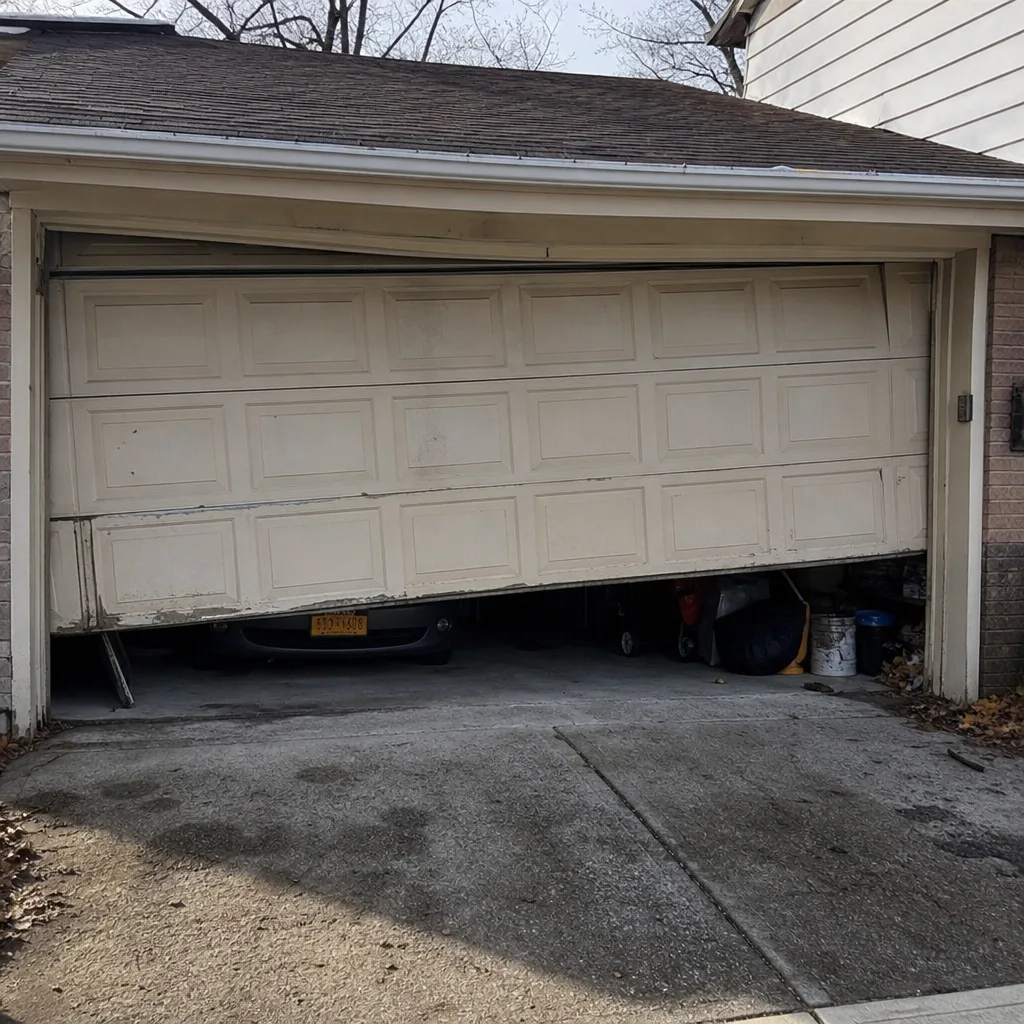 Before
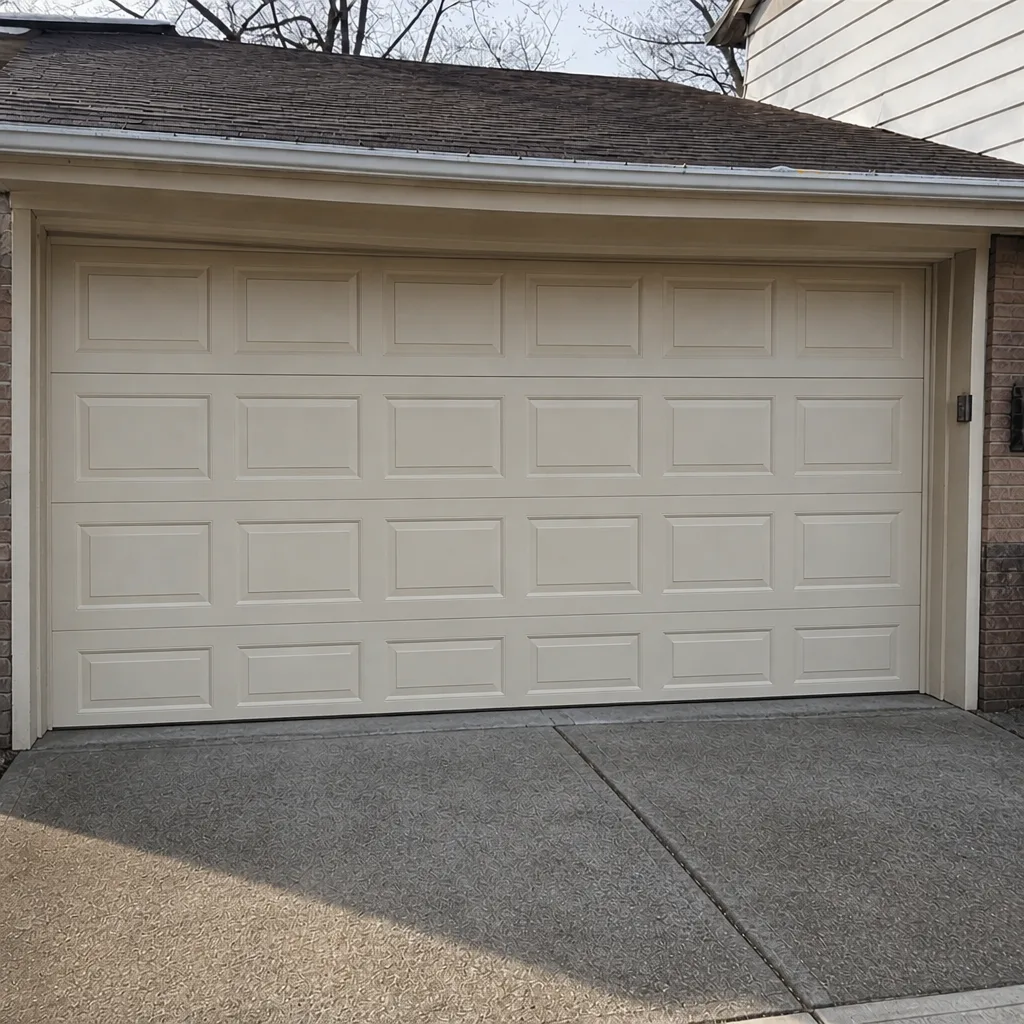 After
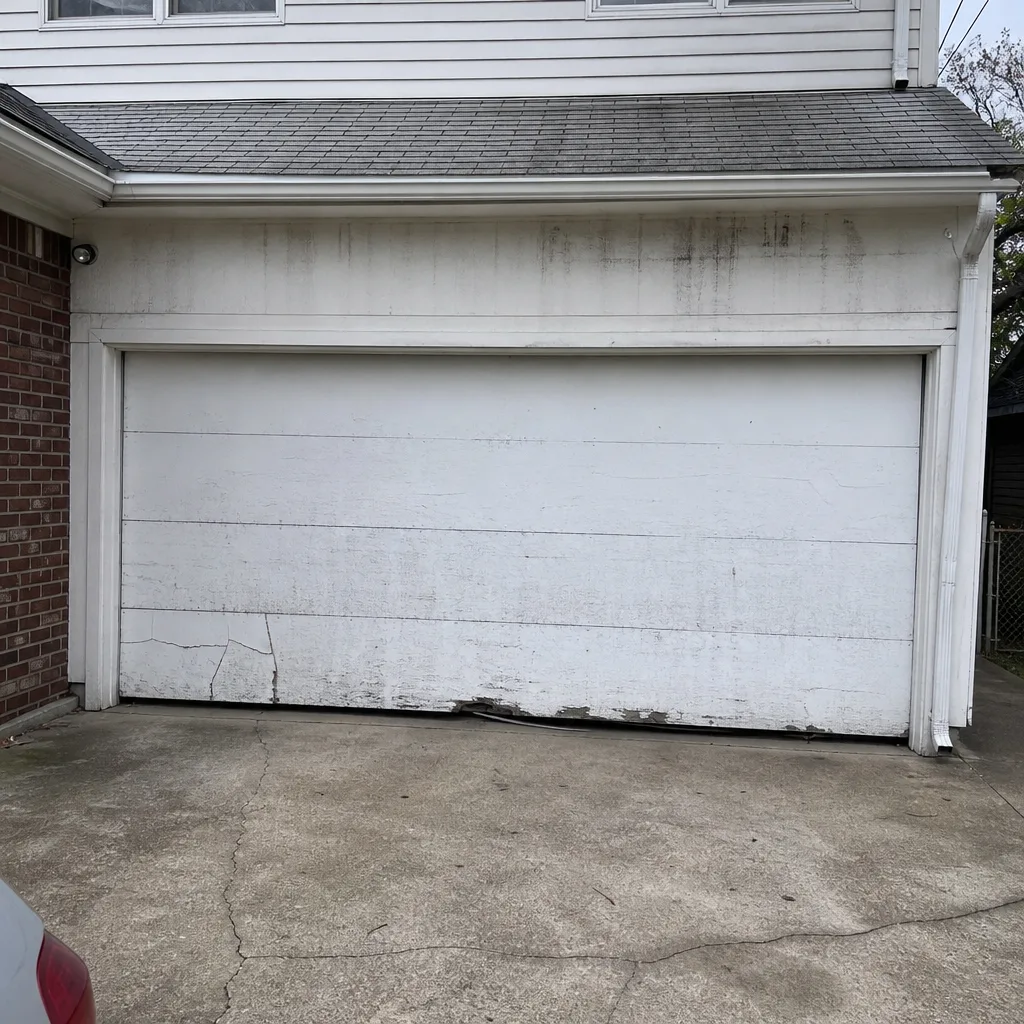 Before
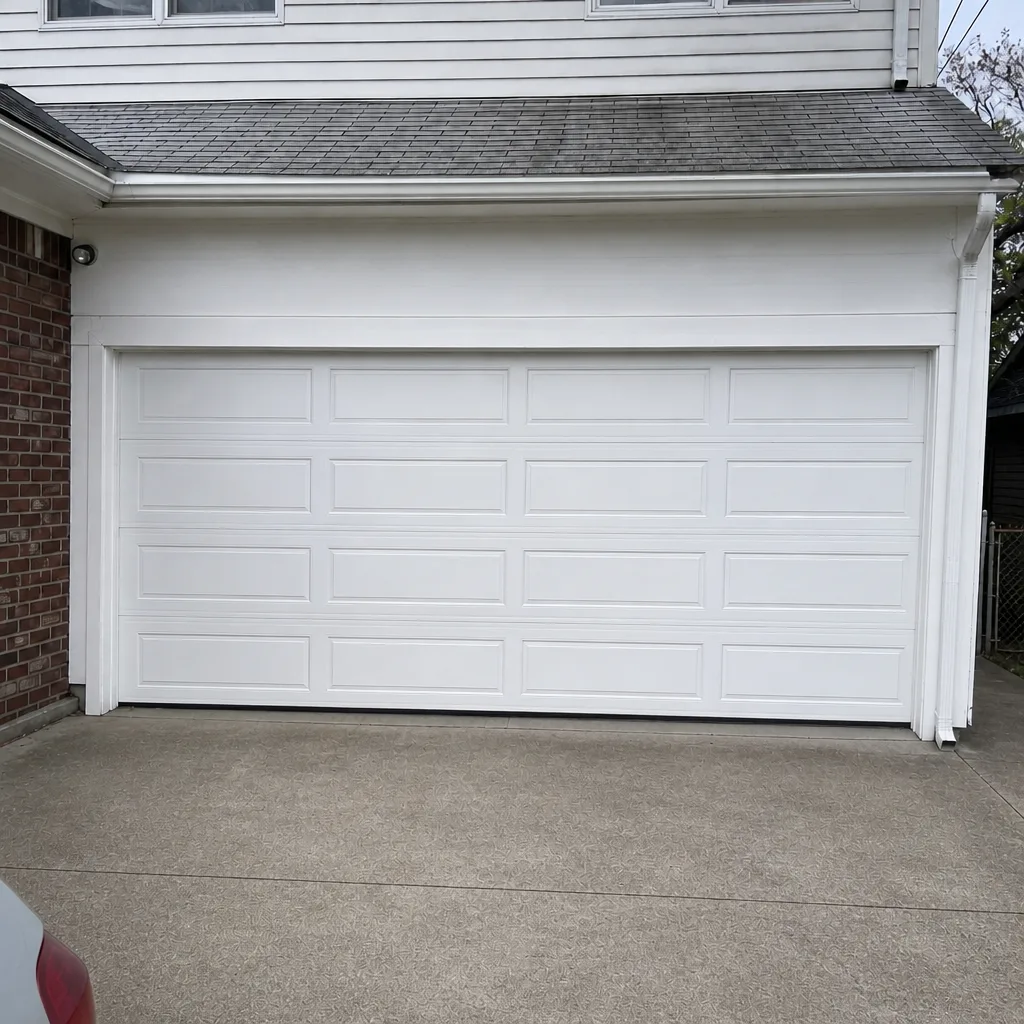 After
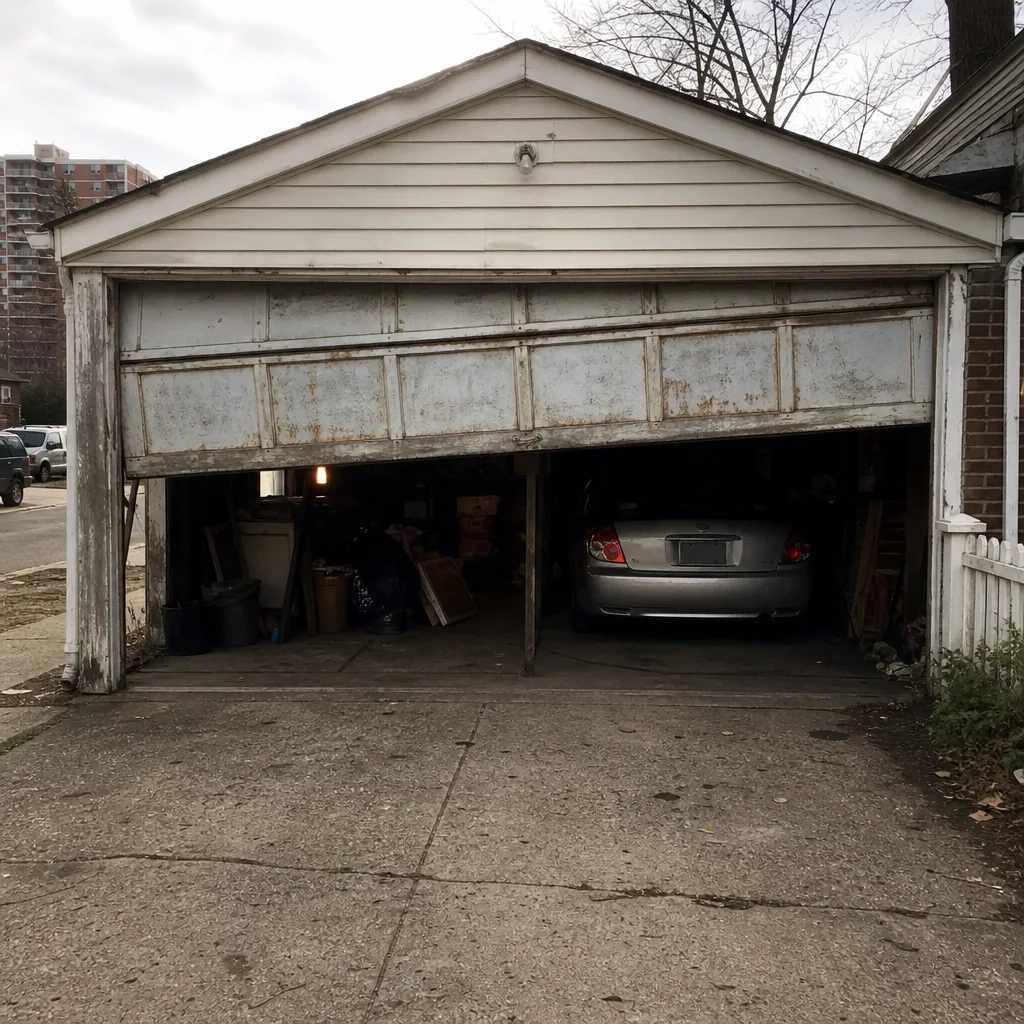 Before
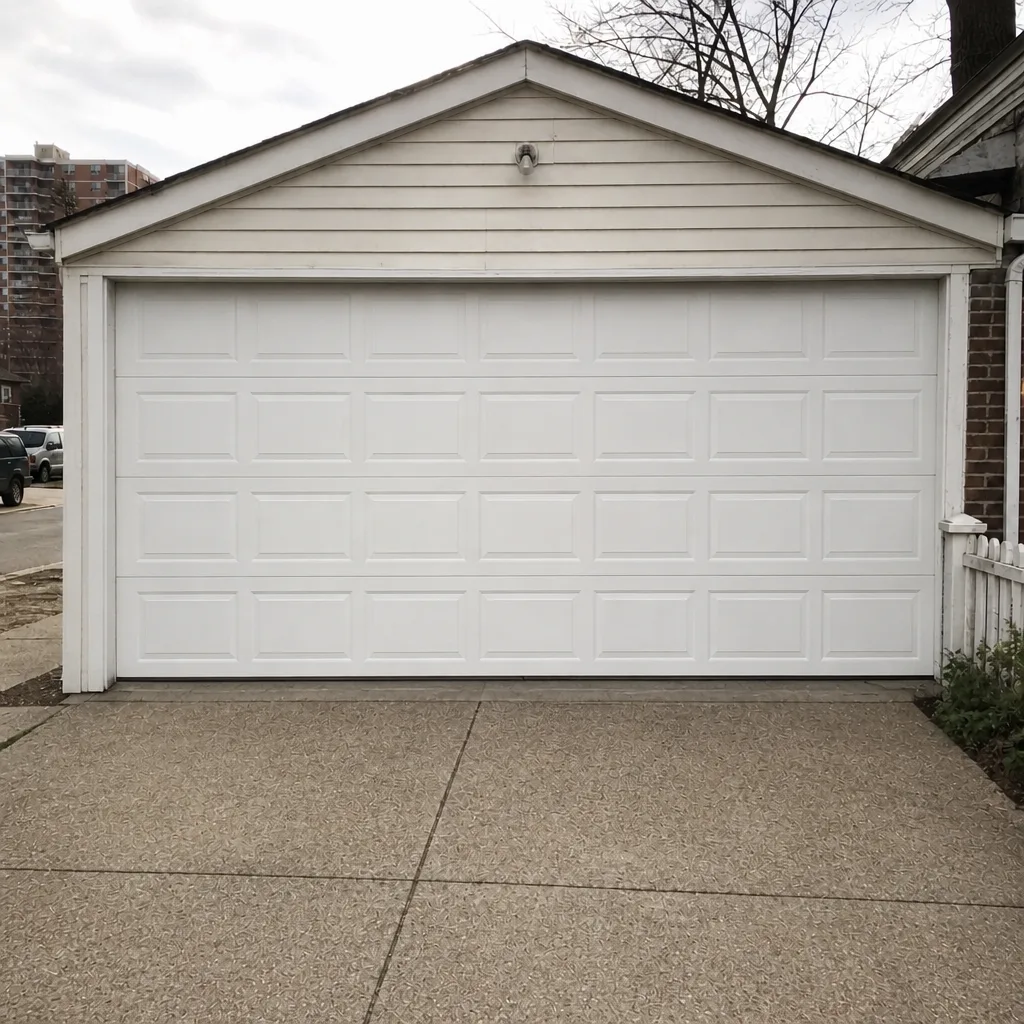 After