Last updated November 21, 2026
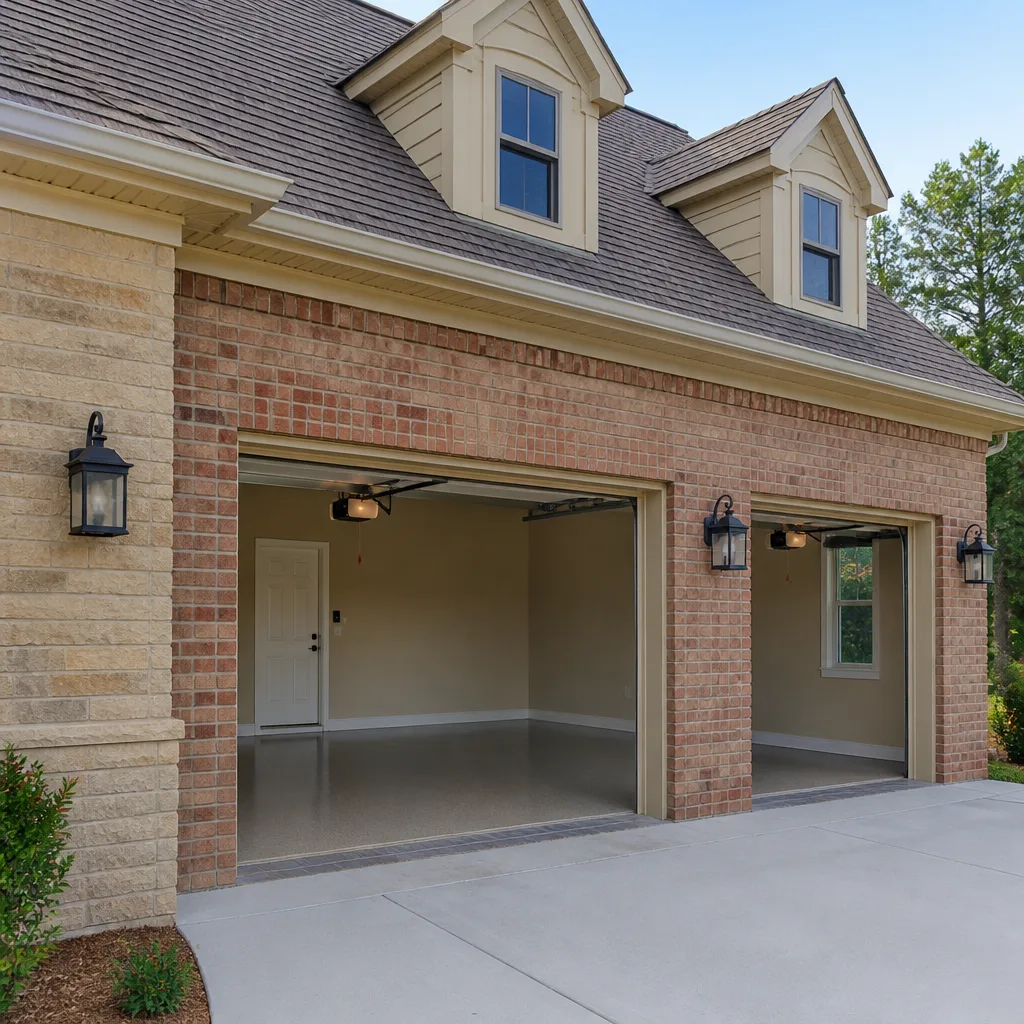
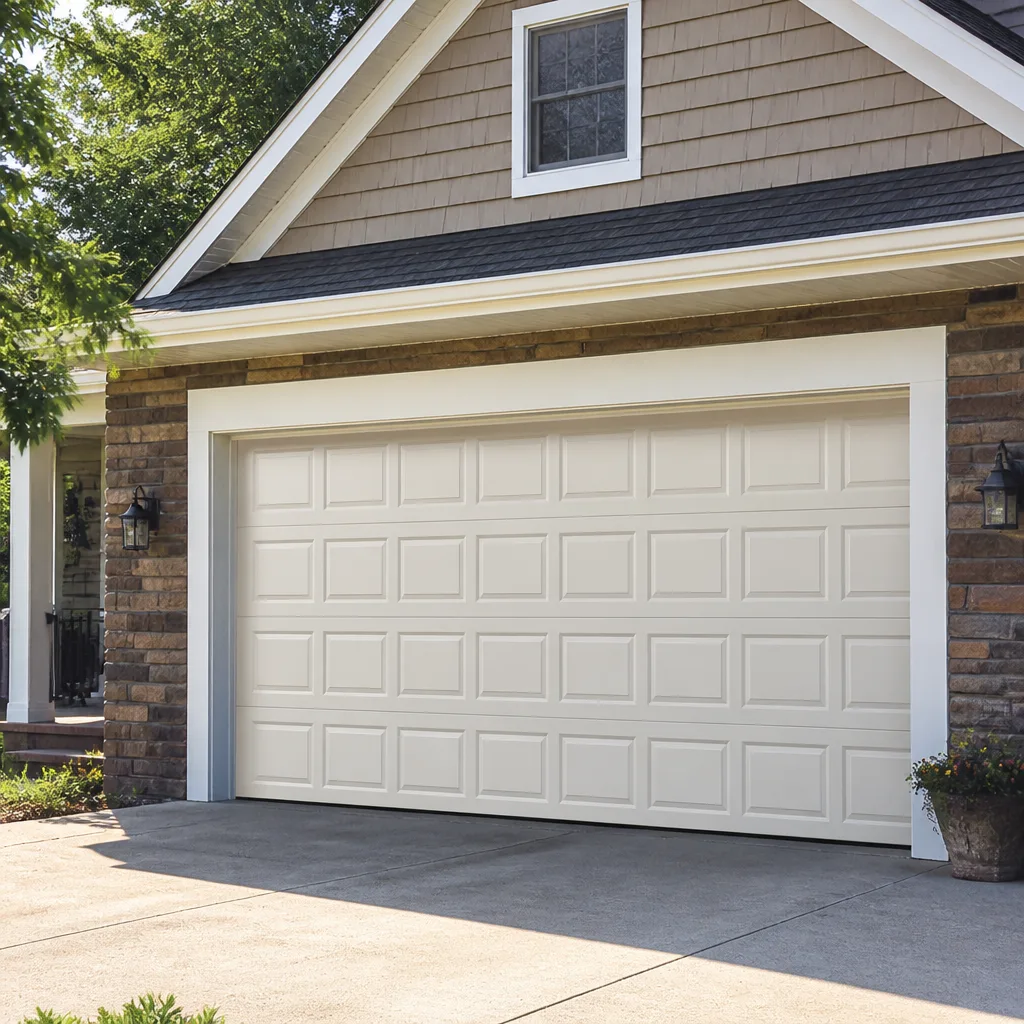 Raised-panel steel
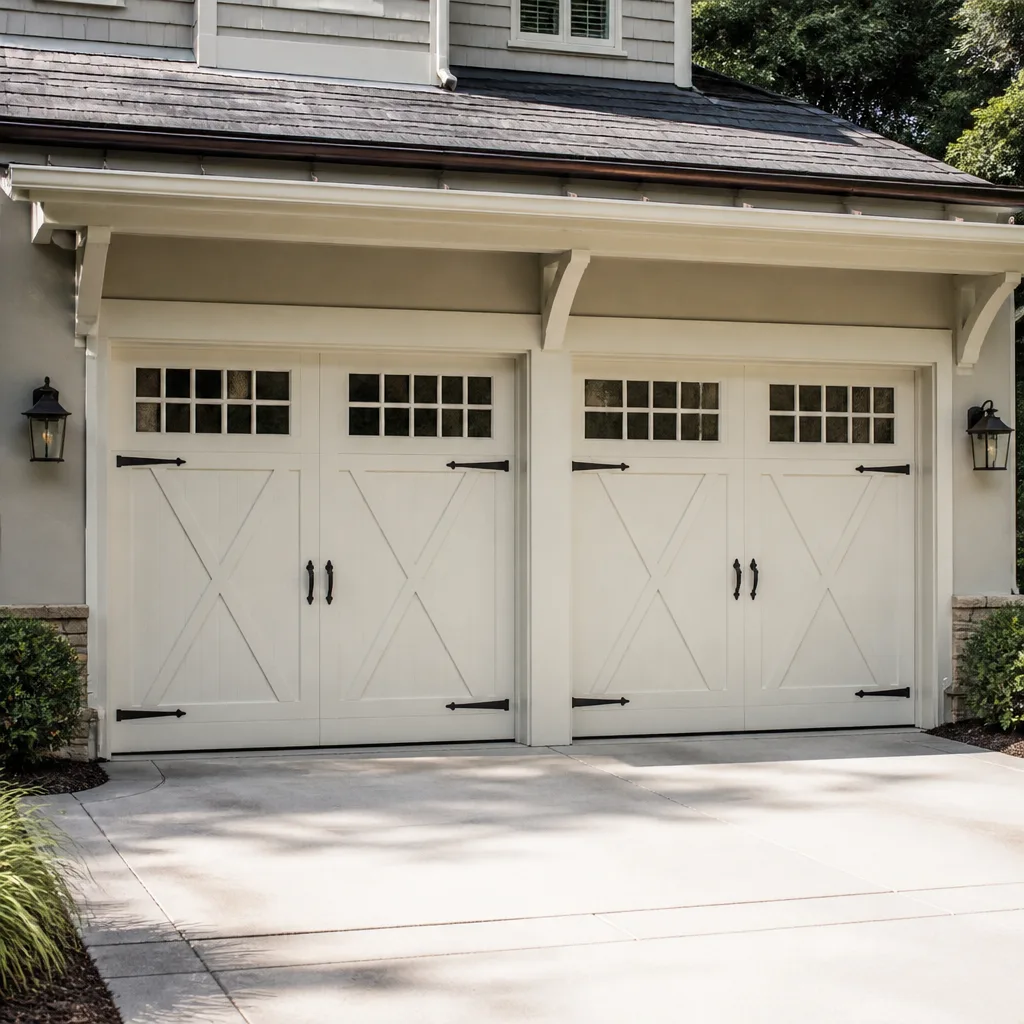 Carriage house
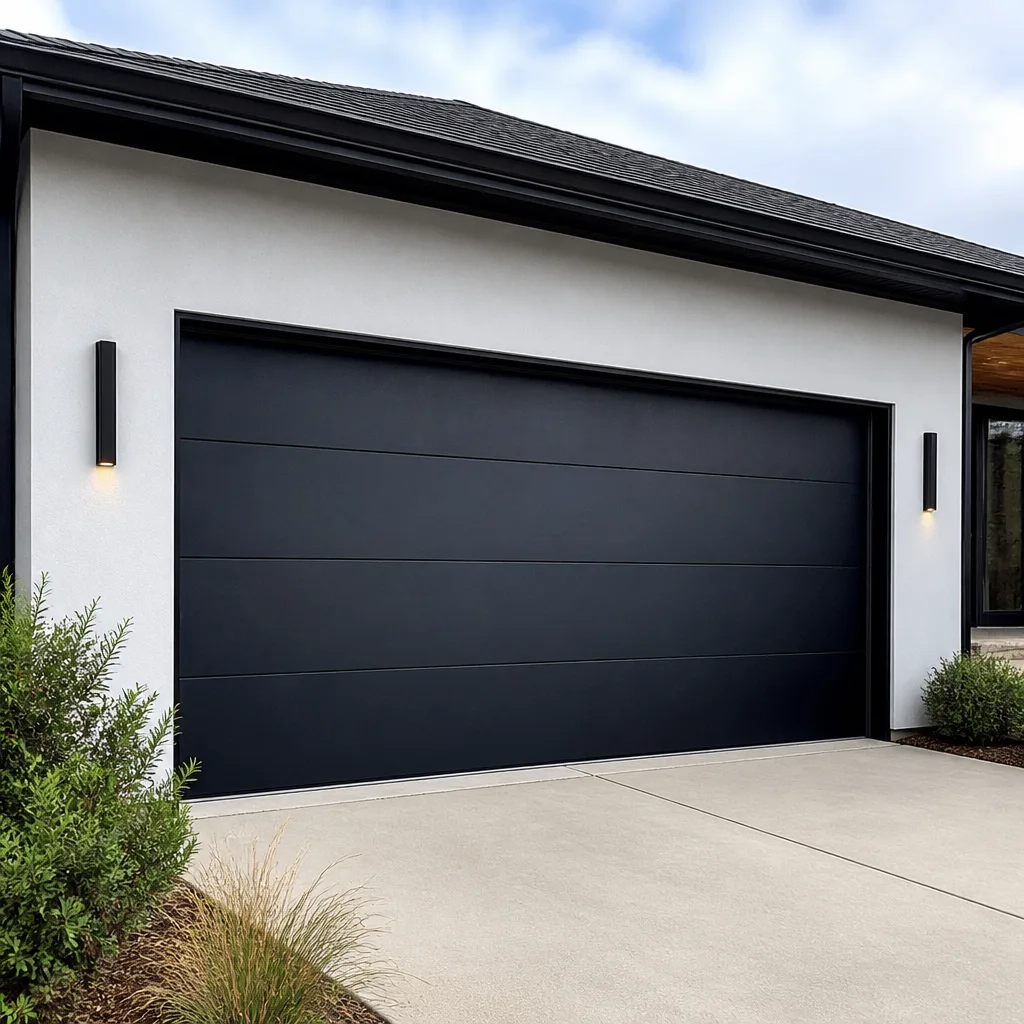 Modern flush
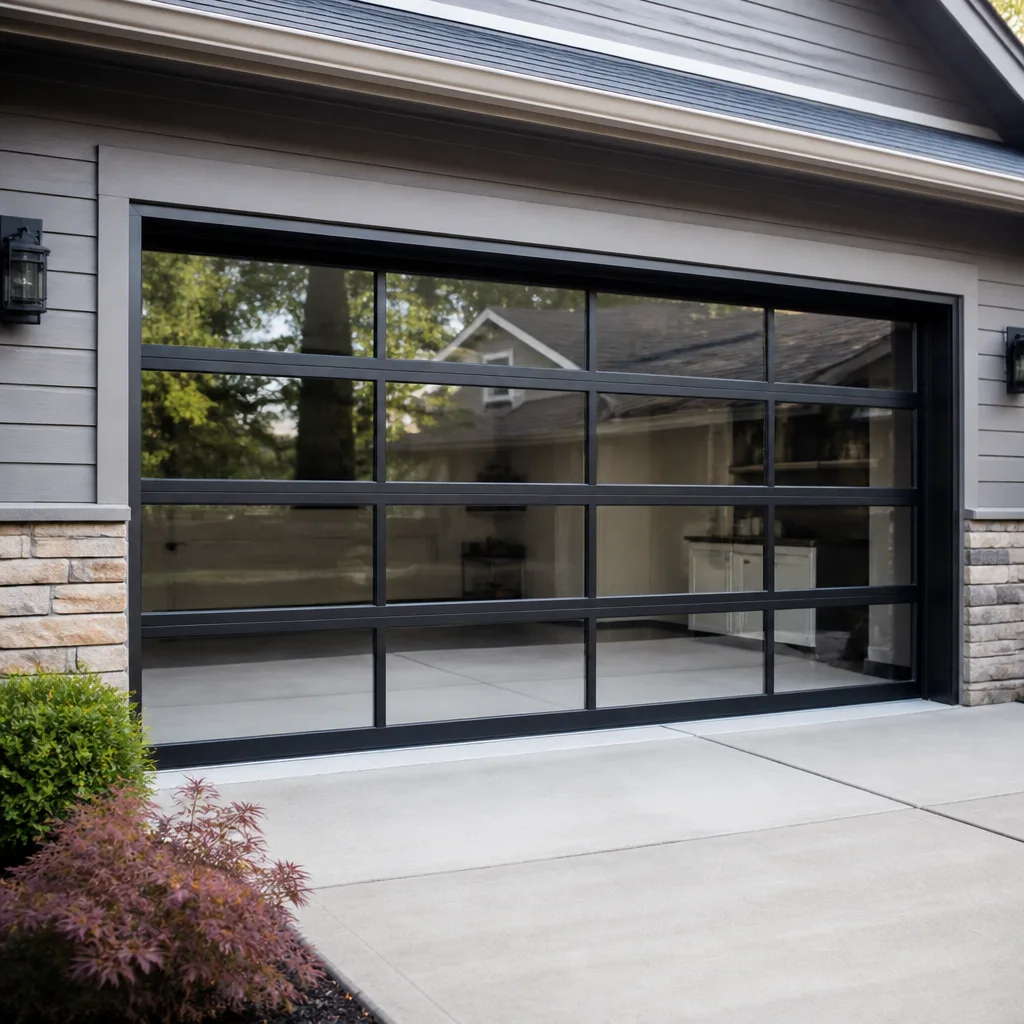 Full-view glass
 LiftMaster openers
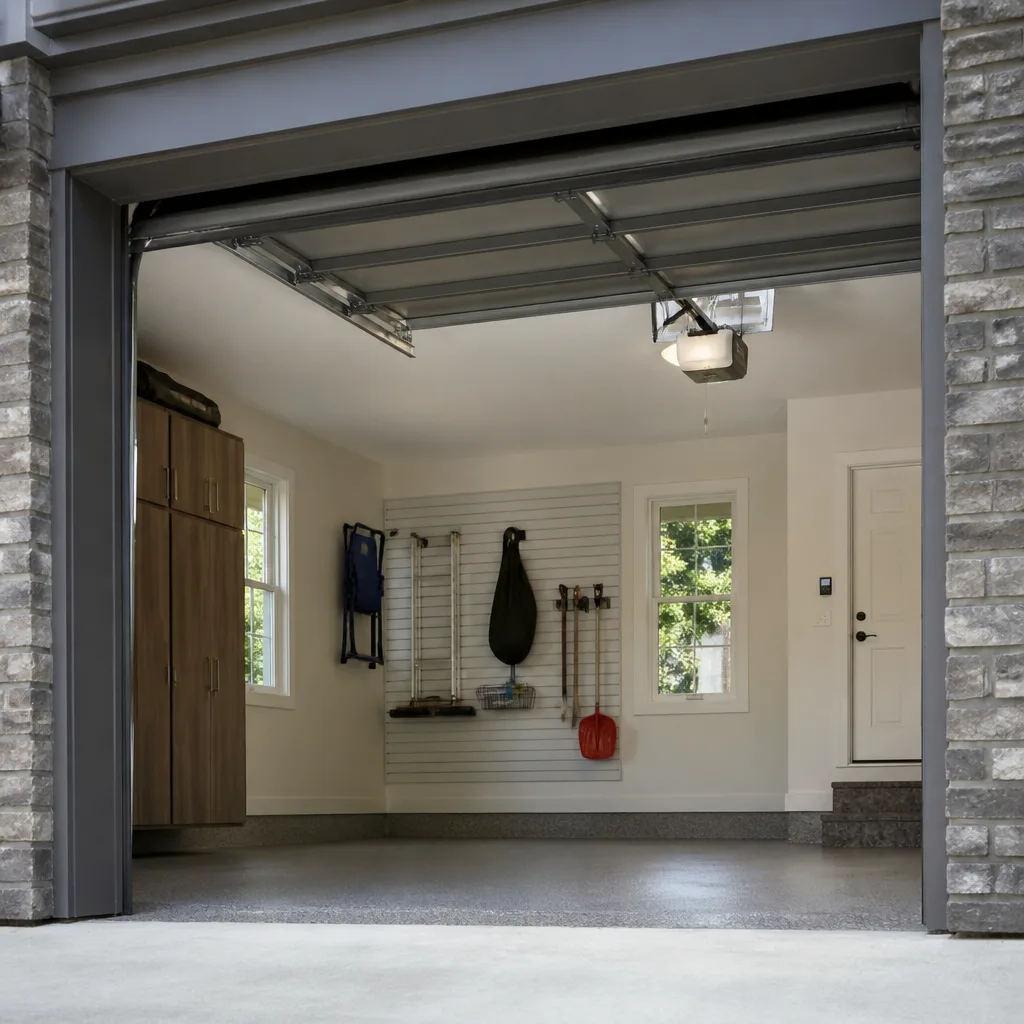 Chamberlain openers
Full 25-point door and opener safety check with every visit - springs, cables, rollers, tracks, and your LiftMaster or Chamberlain opener included
You get a price before we start. It does not change when the pro arrives.
Get your free estimateSeasonal Garage Door Care for Co-op City: Year-Round Homeowner’s Guide
Most homeowners think of a garage door as something you fix when it breaks. In Co-op City, it’s something the weather works on all year, whether you notice it or not. Torsion spring steel loses elasticity below 20°F, and Co-op City averages roughly 15 days a year below that threshold. Nearly all of them land in the same six-week stretch when springs are already strained by cold contraction. The trouble doesn’t start in January, though. It builds quietly through the other three seasons. This guide walks through what each season does to your door and opener, and the checks that keep a small problem from becoming a call at the worst possible moment.
Quick Answer
Seasonal garage door care in Co-op City means matching your maintenance to what each season actually does to the door: winter cold stiffens torsion springs toward failure, spring melt and road salt corrode the bottom seal and track hardware, summer heat expands steel and aluminum panels and drifts opener travel limits, and fall leaves blind the safety sensors. A short inspection at each seasonal change catches most of these before they turn into a repair. Run the safety test monthly and watch the door’s movement and sound, and you’ll usually spot trouble while it’s still small.
Styles & brands we work with
- Raised-panel steel
- Carriage house
- Modern flush
- Full-view glass
- LiftMaster openers
- Chamberlain openers
Table of Contents
- Why seasonal care matters more in Co-op City
- Winter: why springs fail most in January and February
- Spring: melt runoff and road salt on seals, rollers, and tracks
- Summer: thermal expansion and your opener’s travel limits
- Fall: leaves, photo-eye sensors, and the safety test to run
- Your one-page seasonal task calendar
- Common mistakes to avoid
- When to call a professional
Why seasonal care matters more in Co-op City
Co-op City sits in a part of the Bronx where the door faces real swings: humid summers that push into the nineties, winters that drop below freezing for days at a time, and a freeze-thaw cycle in between that works on metal and seals the way a slow tide works on a dock. That rhythm is what makes seasonal care different here. A door that lives through a mild climate mostly wears out from use. A door in Co-op City wears out from weather first and use second.
Your garage door system is really two systems bolted together. There’s the door itself (panels, hinges, rollers, tracks, springs) and the opener that drives it. The door hardware takes the brunt of the climate. The opener takes the brunt of what the door does to it. When panels swell or tracks bind, the opener works harder and wears faster, and a Chamberlain or Genie unit that was fine in October starts straining by February. We work on the brand you already have, which means when a LiftMaster opener starts reversing for no clear reason, we can check the door hardware first and the opener logic second, in the right order.
A few things are worth knowing about how a Co-op City door ages:
- Steel and aluminum panels expand and contract with temperature, which changes the gap at the bottom seal and the tension on the tracks.
- Wood-look and wood-core panels take on moisture in summer humidity and can swell enough to bind.
- Torsion springs are under hundreds of pounds of tension in any weather and get more brittle as the steel cools.
- Photo-eye sensors are low to the ground, right where leaves, snow, and splash collect.
None of this is reason for alarm. It’s reason for a rhythm. If you check the door at each seasonal change, you’ll catch most of what the climate throws at it before it becomes expensive. For the bigger repairs, our Garage Door Repair Co-op City page covers what we handle and how to reach us.
Winter: why springs fail most in January and February
Winter is when garage door springs fail, and the reason is metallurgy, not bad luck. Torsion spring steel loses elasticity as it cools, and below 20°F it’s noticeably less forgiving. Co-op City averages about 15 days a year below that mark, and they cluster. So does the risk. A spring that’s been slowly fatiguing through the rest of the year reaches its limit right when the cold makes the steel least able to take the load.
You can’t inspect a torsion spring the way you’d check a tire. It’s wound tight, under hundreds of pounds of load, and if it lets go it can cause serious injury. That’s exactly why spring repair is a professional job and not a homeowner one. What you can do is watch for the signs that a spring is near the end of its life, and book an inspection before the cold sets in.
Signs a spring may be close to failing:
- The door feels heavier than usual when you lift it (with the opener disengaged, and only if you can lift it safely).
- The door opens slowly or the opener strains, and the sound changes.
- You can see a visible gap in a torsion spring coil, or the spring looks stretched or rusty.
- The door rises a foot and stops, or one side lags behind the other.
- The opener’s safety reverse stops working because the door is binding.
The pre-season inspection that prevents a January call is simple: have a technician check spring wear, cable condition, and roller play before the cold sets in. If a spring is on its way out, replacing it on a scheduled visit is far better than replacing it after the door won’t open. And if a spring does go, it’s a same-day emergency for us, because a door that won’t open is also a door that won’t secure your home. Spring repair is one of the five services we handle, and doing it right means using the right tools and training for a component under that kind of load.
One more winter note: keep the bottom seal and the threshold clear of ice and packed snow. A door that fights a frozen threshold is a door whose opener works overtime in the cold, and that’s when a LiftMaster or Chamberlain unit overheats or starts reversing.
Spring: melt runoff and road salt on seals, rollers, and tracks
Spring in Co-op City is the season of water and salt. As the snowpack melts, runoff runs down the driveway and finds the lowest point of your garage door system: the bottom seal, the bottom rollers, and the base of the tracks. Add the road salt that gets tracked in and splashed up, and you get a season that quietly corrodes the parts you can’t easily see.
What actually happens to the hardware:
- Bottom seal: rubber and vinyl seals absorb salt water, dry out, crack, and stop sealing. A failed bottom seal lets water in under the door and lets cold air in all next winter.
- Rollers: steel roller stems rust and bind; nylon rollers get grit in the bearing and start to squeal or skip.
- Track hardware: hinges, brackets, and the track itself pick up surface rust, and a rusty hinge doesn’t pivot the way it should. That binds the panel and loads the opener.
- Fasteners: lag screws and bolts seize up over a wet spring, which makes a later adjustment harder than it needs to be.
The spring check is mostly about cleaning and inspection. Rinse the bottom seal and the base of the tracks after the melt, and look for cracks in the seal, rust on the rollers, and hesitation at any hinge. A door with a Clopay or Amarr panel set has a bottom seal that’s sized to the door, and replacing it with the wrong profile is a common source of leaks. Get the right part the first time and the seal does its job.
This is also the season to test the door’s balance. Disengage the opener and lift the door halfway by hand. It should stay roughly where you leave it. If it drifts down, the springs need attention. If it feels heavy or binds, the tracks or rollers are the likely cause. Either way, once it’s identified, it’s a manageable repair, and we can do the diagnosis and the repair on the same visit. Our garage door repair service covers the whole door system, from seals and rollers to tracks and panels.
One thing worth saying plainly: if a spring looks broken, don’t try to cycle the door to “test” it. A door with a broken spring is running on the opener alone, and that’s how openers fail and doors come off track.
Summer: thermal expansion and your opener’s travel limits
Summer heat does something most homeowners don’t think about: it changes the door’s dimensions. Steel and aluminum panels expand in the heat and contract when it cools. Over a hot stretch in Co-op City, the door panel can grow just enough to change where the bottom edge sits, and that’s where the opener’s travel limits come in.
Travel limits tell the opener how far to push the door open and how far to bring it down. They’re set for a door at a given temperature. When panels expand, the opener can push slightly past the open limit or stop slightly short of closing, and you get symptoms that look like an opener problem but start with the door:
- The door reverses before it reaches the floor.
- The door stops a few inches short of closing.
- The opener light blinks a fault code, especially on LiftMaster and Chamberlain units, or a Genie unit beeps and reverses.
- The door slams or strains at the top of travel.
Adjusting travel limits is a real fix, but it’s often the wrong first fix. If the door is binding because the tracks are out of alignment or a panel is swollen, resetting the limits just masks the problem until it fails harder. The right sequence is: check door balance and track alignment, then check the opener’s limit and force settings. Our garage door opener repair service covers brand-name openers including LiftMaster, Chamberlain, Genie, and Craftsman, so the diagnosis and the parts match the unit you own. No looking up the manual on the spot.
Two summer habits help:
- Listen to the door once a week. A new squeak, a grinding sound, or a door that hesitates tells you something before it fails.
- Keep the opener’s safety reverse test on your monthly list. It’s the single most important safety check on the whole system.
If you’re replacing a worn door, summer is also the season when an garage door installation is planned and measured, so the door is ready for the cold. Installation is a scheduled job, not a same-day one, and a free measure and written price come first.
Fall: leaves, photo-eye sensors, and the safety test to run
Fall is the season of small obstructions with big effects. The photo-eye sensors sit about six inches off the floor at each side of the door, and they work by sending an invisible beam across the opening. Anything that breaks the beam, or blocks one sensor’s view of the other, stops the door from closing. Leaves, twigs, and debris blow in and pile up right at sensor height. That’s the most common cause of a door that “won’t close” in October and November.
The safety test every homeowner should run, ideally monthly but at minimum at the fall change:
- Open the door fully, then get ready to close it with the wall control or remote.
- Place a solid object, like a piece of lumber or a full box, flat on the floor in the middle of the opening.
- Close the door. It should reverse on contact with the object (or before it, on some models) and go back up.
- If it doesn’t reverse, clean the sensor lenses, check the sensor alignment, and test again. If it still doesn’t reverse, stop using the door and have it serviced.
That’s the most important safety check on a garage door, and it’s the one most homeowners skip. The second fall task is a debris sweep along the tracks and at the sensor bases. If you’ve noticed a Chamberlain or Genie opener’s light blinking and the door refusing to close, check the sensors before you assume the opener is failing. It’s usually a leaf.
Fall is also a good time to look at the weather seal at the sides and top of the door. A worn seal lets cold air and snow in, which makes the winter harder than it needs to be. And after a windy fall, check the tracks for anything that got knocked out of alignment. If a door is visibly off track, don’t run the opener. That’s a job for a professional, not a pry bar.
Your one-page seasonal task calendar
Here’s the short version you can keep on the garage wall. The idea is to check the door at each seasonal change, not to do a full inspection every week.
Winter (December through February)
- Have springs, cables, and rollers inspected before the deep cold.
- Keep the bottom seal and threshold clear of ice and packed snow.
- Watch for slow, heavy, or uneven door movement; stop using the door if a spring looks broken.
- Test the opener’s safety reverse.
Spring (March through May)
- Rinse road salt and grit from the bottom seal and base of the tracks.
- Check the bottom seal for cracks, and the rollers and hinges for rust.
- Test door balance by hand with the opener disengaged.
- Schedule a professional inspection if the door feels heavy or binds.
Summer (June through August)
- Listen to the door weekly for new sounds.
- Watch for reversal or short-closing as panels expand in the heat.
- Test the safety reverse once a month.
- If you’re replacing a door, get the measure and written price done early.
Fall (September through November)
- Sweep leaves and debris away from the photo-eye sensors and tracks.
- Run the safety test with a solid object in the opening.
- Check side and top seals for wear.
- Check track alignment after windy weather.
One call covers the full job at each of those checkpoints, whether it’s a spring, an opener, or a full replacement. You don’t need to arrange a separate contractor for each part of the system.
Common Mistakes to Avoid
- Treating spring replacement as a do-it-yourself job. Torsion and extension springs are under hundreds of pounds of tension, and getting it wrong can cause serious injury. This is a professional repair, full stop, and it’s a good example of where saving money is the wrong trade.
- Lubricating the tracks. Lubricant on the tracks collects grit and makes rollers skid instead of roll. Lubricate the rollers, hinges, and spring, not the track surface. A dry, clean track is the right track.
- Ignoring the bottom seal until it fails. In a Co-op City spring, a cracked seal lets meltwater into the garage and lets cold air in all next winter. Replace it when you see cracks, not when you see water.
- Resetting opener travel limits to hide a binding door. If the door binds because of a swollen panel or misaligned track, adjusting the limits just postpones the problem. Find the cause first.
- Assuming a blinking opener light means a dead opener. On LiftMaster, Chamberlain, and Genie units, a blinking light is often a sensor or reversal fault, not a failure of the unit itself.
- Skipping the safety reverse test. It’s the most important check on the door, and it’s the one most people never run. A door that fails the test should not be used until it’s fixed.
- Running the opener on a broken spring. If a spring looks broken, stop cycling the door. The opener isn’t built to lift the door alone, and forcing it damages the opener and can take the door off track.
When to Call a Professional
Some jobs are seasonal checks. Others are calls for a professional. Call us when a spring looks broken or the door won’t lift, when the door is off track or won’t close all the way, when the opener reverses for no reason, or when a door you depend on is leaving your home unsecured. Call us when the safety reverse fails after cleaning the sensors, and when the door feels heavy or binds even after you’ve cleaned the tracks. We’ve worked on every part of this system, from Clopay and Amarr panels to LiftMaster and Genie openers, and we can diagnose and repair on the same visit. Garage Door Repair Co-op City offers free estimates in Co-op City and handles emergency service when your door is leaving your home unsecured. Call (844) 741-4548.
See the difference
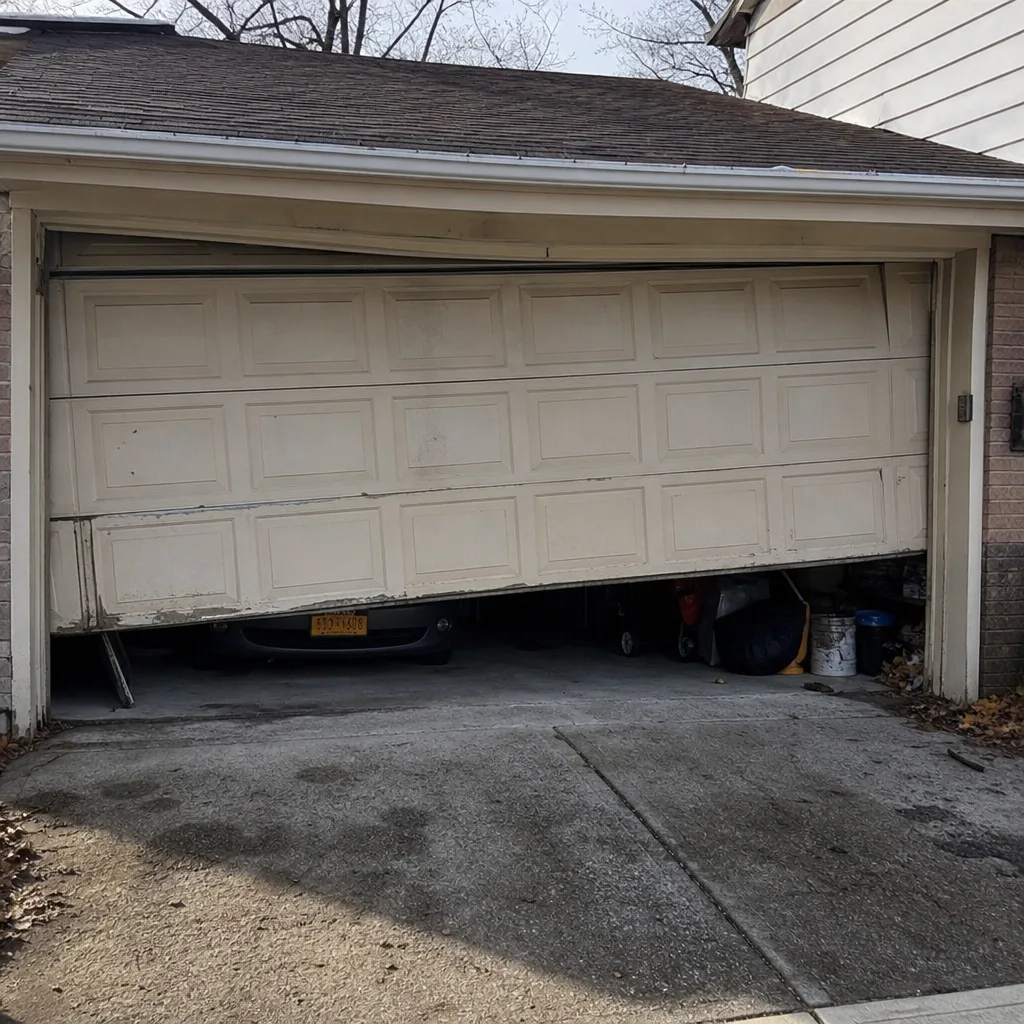 Before
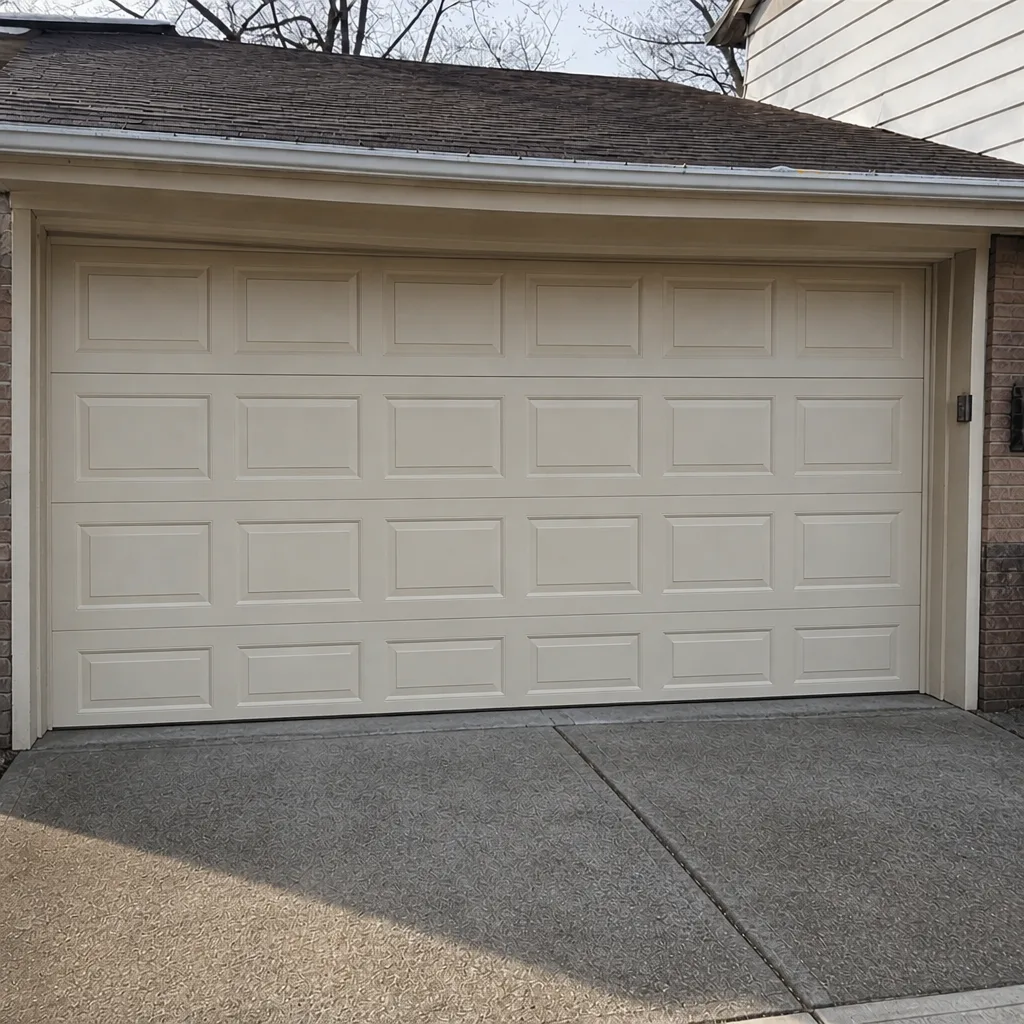 After
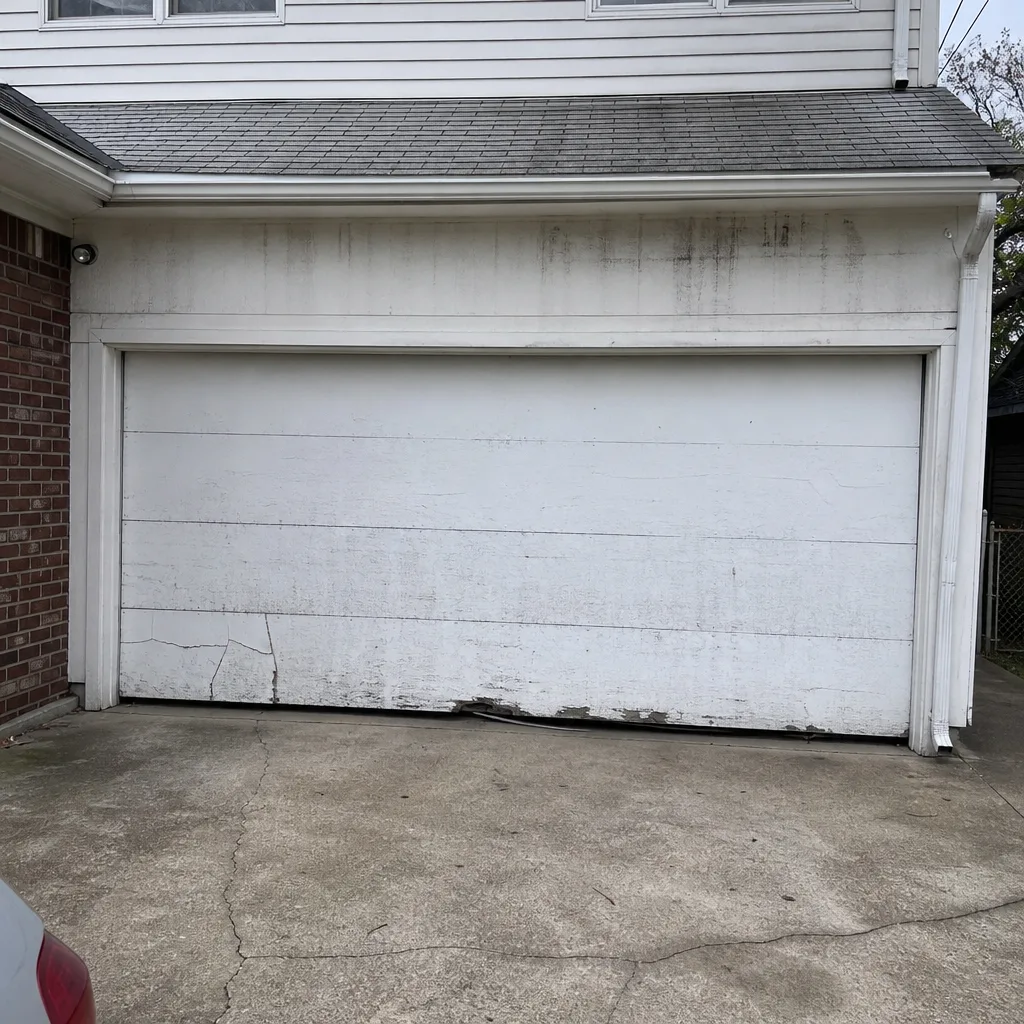 Before
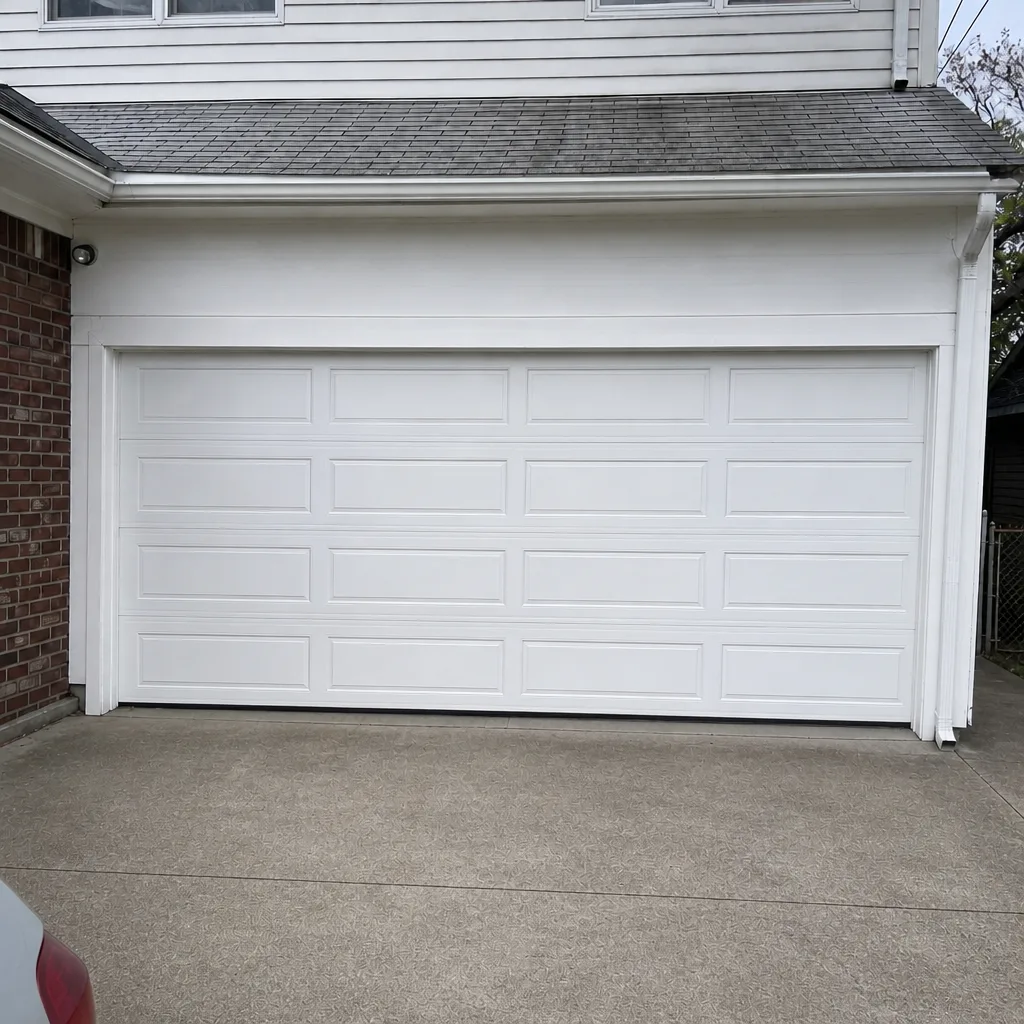 After
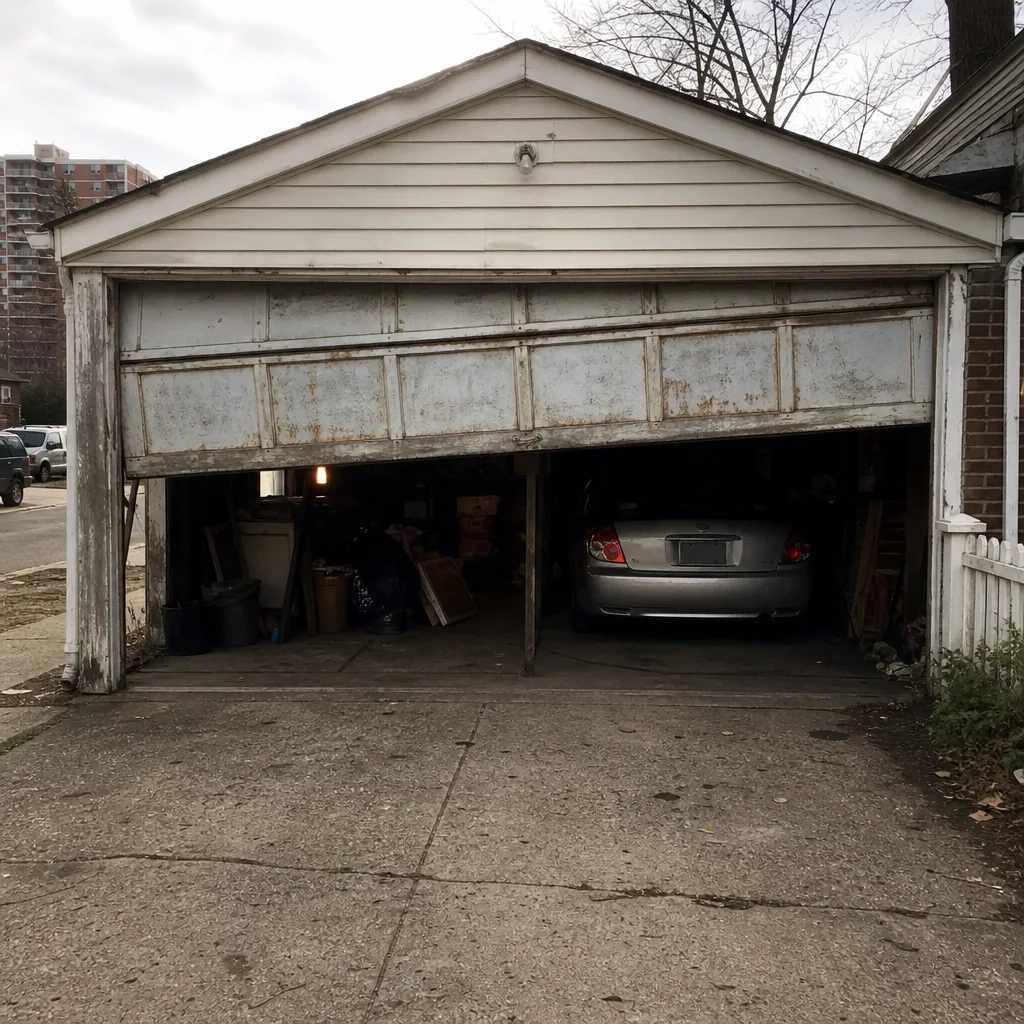 Before
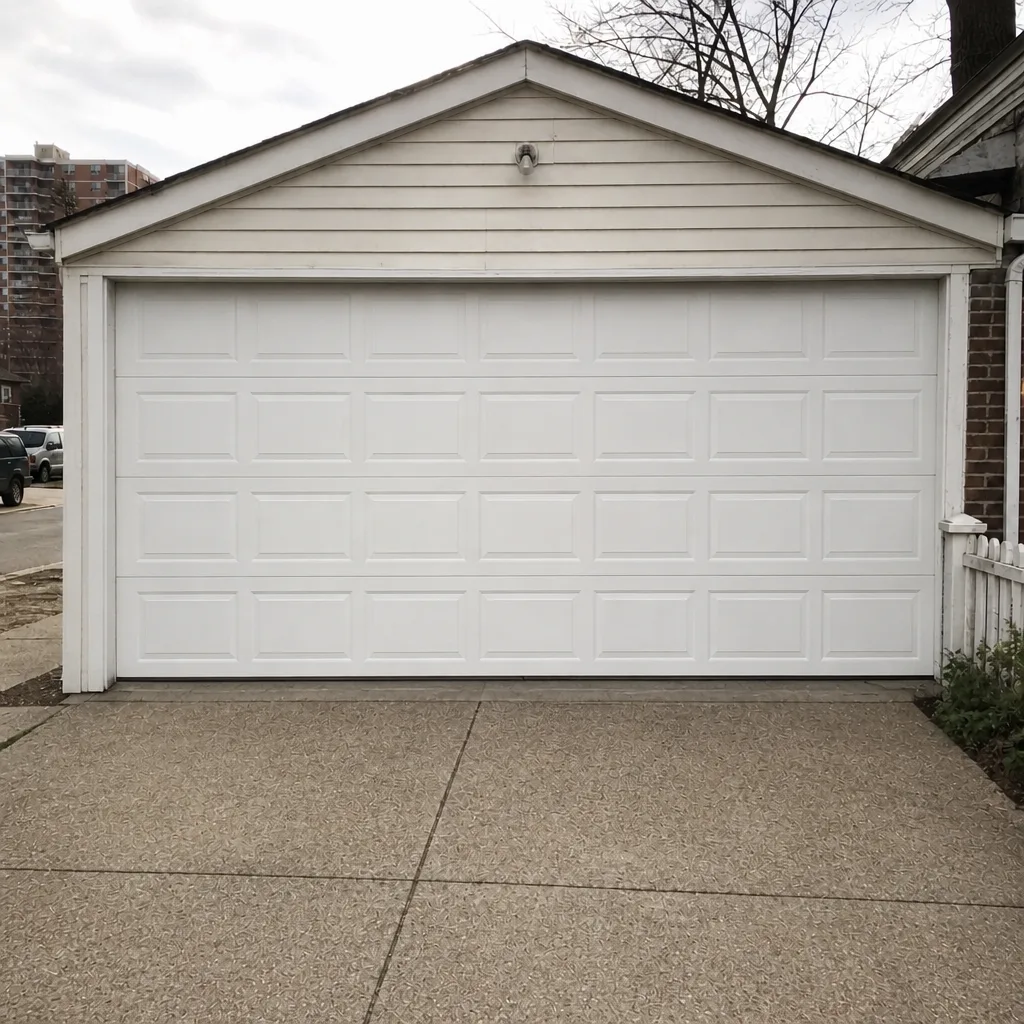 After
Frequently Asked Questions
Torsion spring steel loses elasticity in the cold, and Co-op City averages about 15 days a year below 20°F, nearly all in that six-week window. A spring that’s been fatiguing all year reaches its limit right when the cold makes the steel least able to take the load. The fix is a pre-season inspection so a failing spring is replaced on a scheduled visit, not in a January emergency. Call (844) 741-4548 for an inspection.
Once a month is the right rhythm, and at minimum at the fall change when leaves collect around the photo-eye sensors. Place a solid object on the floor in the door’s path, close it, and the door should reverse. If it doesn’t, clean and realign the sensors and test again; if it still fails, stop using the door and have it serviced. Call (844) 741-4548 if the test keeps failing.
Cold weather is the most common reason a door that closed fine in fall starts refusing to close in winter. The door can bind as panels contract, the bottom seal can stick to a frozen threshold, and photo-eye sensors can be blocked by snow or ice. If the door reverses, check the sensors first, then the bottom seal and threshold; if it still won’t close, it’s time for a professional look. Call (844) 741-4548.
No, the hardware is the same. What differs is how much wear the climate puts on it and when. The freeze-thaw cycle in Co-op City is harder on bottom seals and roller hardware than a milder climate, so those parts need checking at each seasonal change rather than once a year. The part numbers don’t change; the inspection rhythm does. Call (844) 741-4548 for an estimate.
You can, but it’s often the wrong first step. Travel limits should be adjusted only after you’ve confirmed the door isn’t binding. If a swollen panel or misaligned track is causing the problem, resetting the limits masks it until it fails harder. A technician checks door balance, track alignment, and roll first, then adjusts the limits on the opener. Call (844) 741-4548 if the door keeps reversing.
If the door is failing structurally or the panels are damaged, yes, and the measure is best done ahead of the cold. Installation is a scheduled job, not a same-day one, so a free measure and written price come first, then the install. If the door is sound and only the hardware is worn, repair is usually the right call. Call (844) 741-4548 to talk it through.
The Bottom Line
Co-op City puts four different stresses on a garage door across the year: cold that stiffens springs, melt and salt that corrode seals and hardware, heat that shifts travel limits, and leaves that blind sensors. None of them is complicated on its own. The trick is matching your check to the season instead of waiting for a failure. Run the safety reverse test monthly, watch the door’s movement and sound, and book an inspection before the deep cold. If something fails anyway, one call covers the full job, from spring repair to a new door. Our technicians have up to 10 years of experience, and we work on the brand you already have. Call (844) 741-4548 for a free estimate.
Written by the team at Garage Door Repair Co-op City.