Last updated November 21, 2026
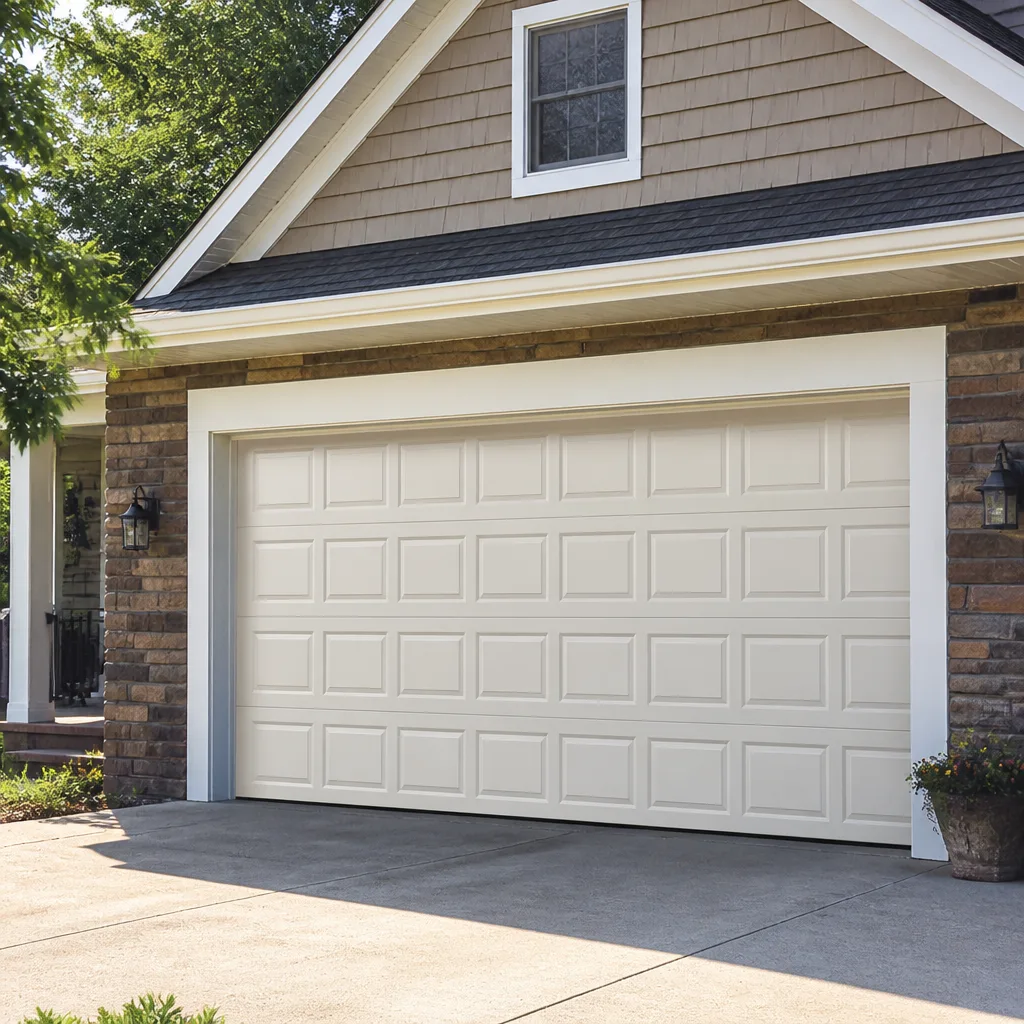 Raised-panel steel
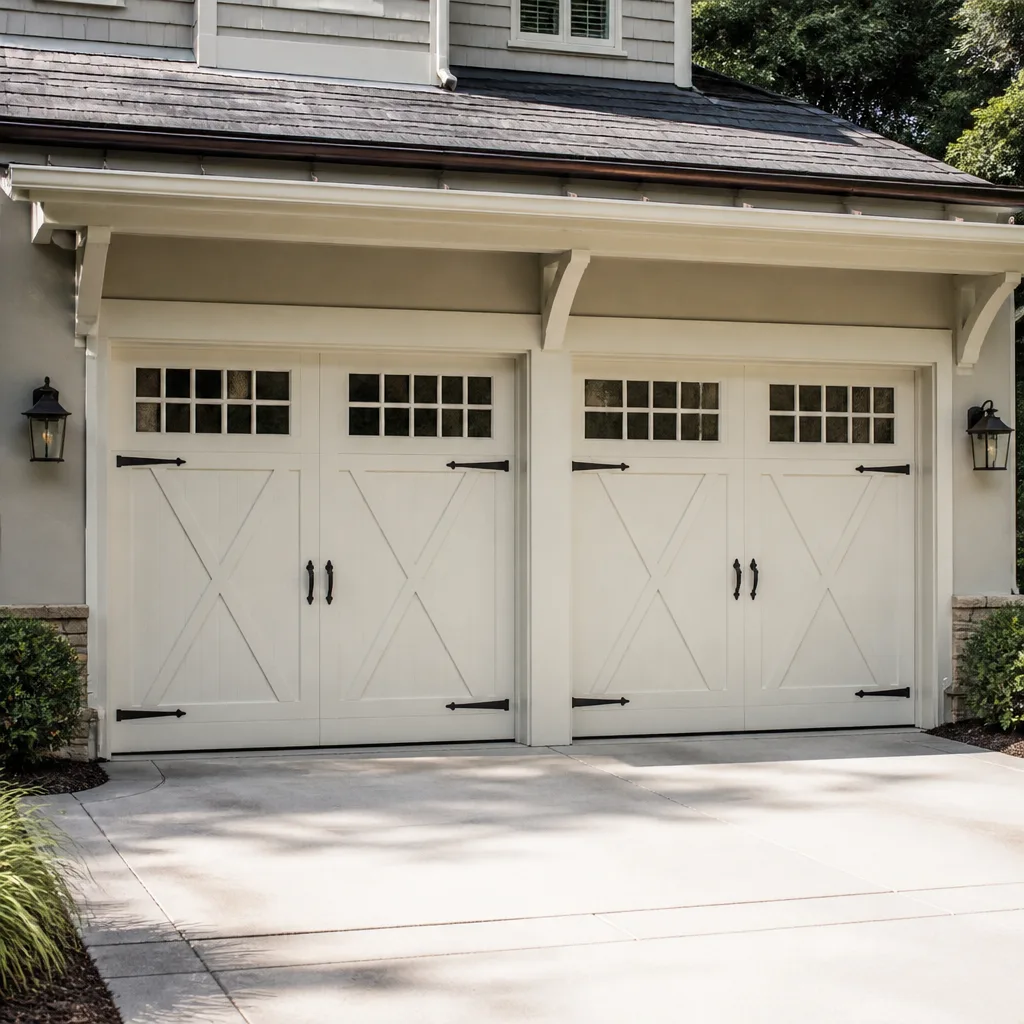 Carriage house
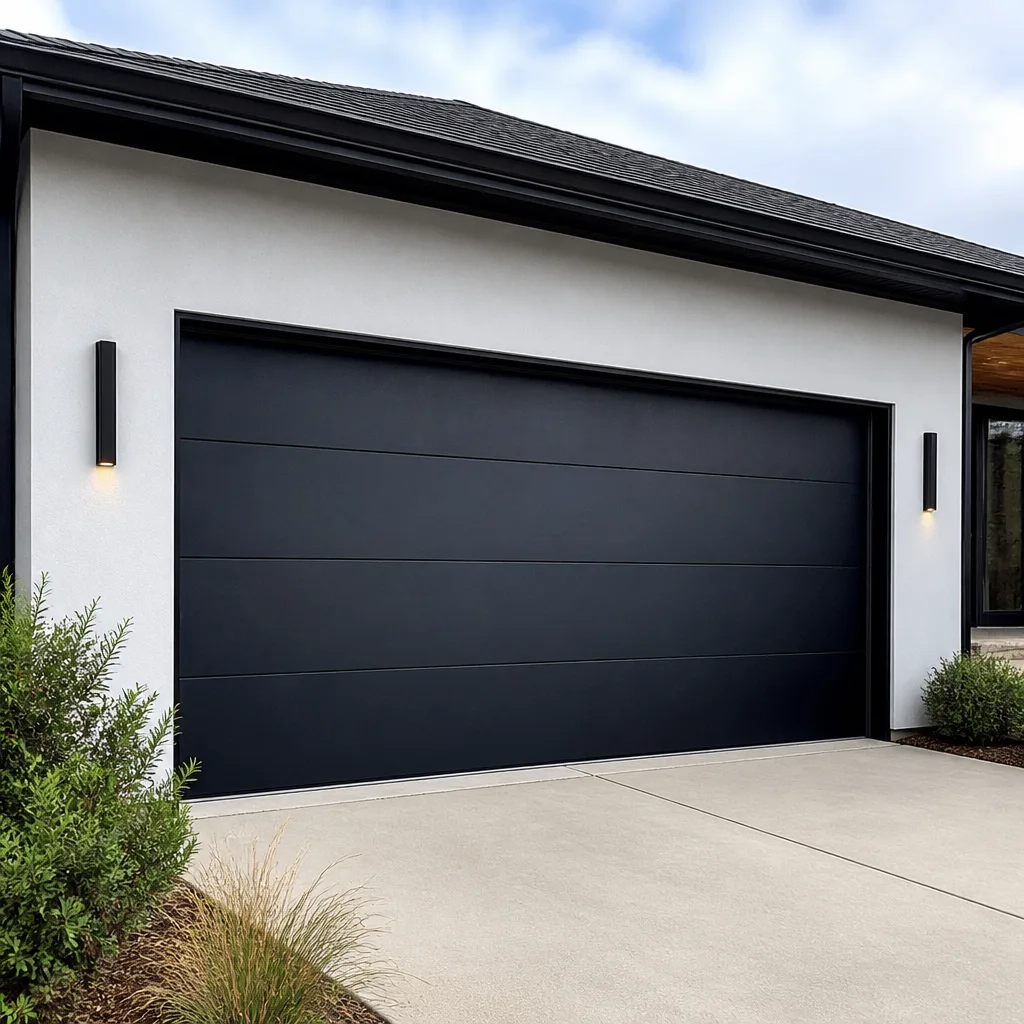 Modern flush
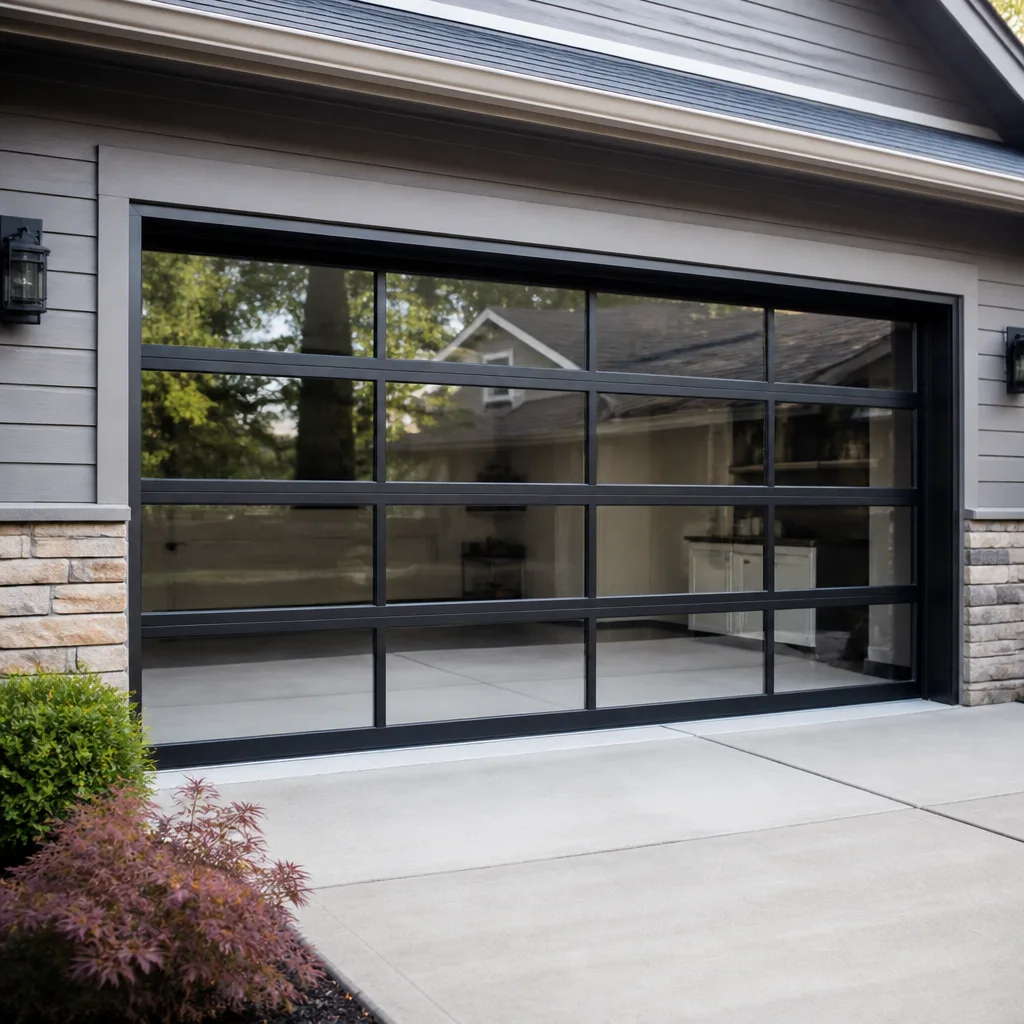 Full-view glass
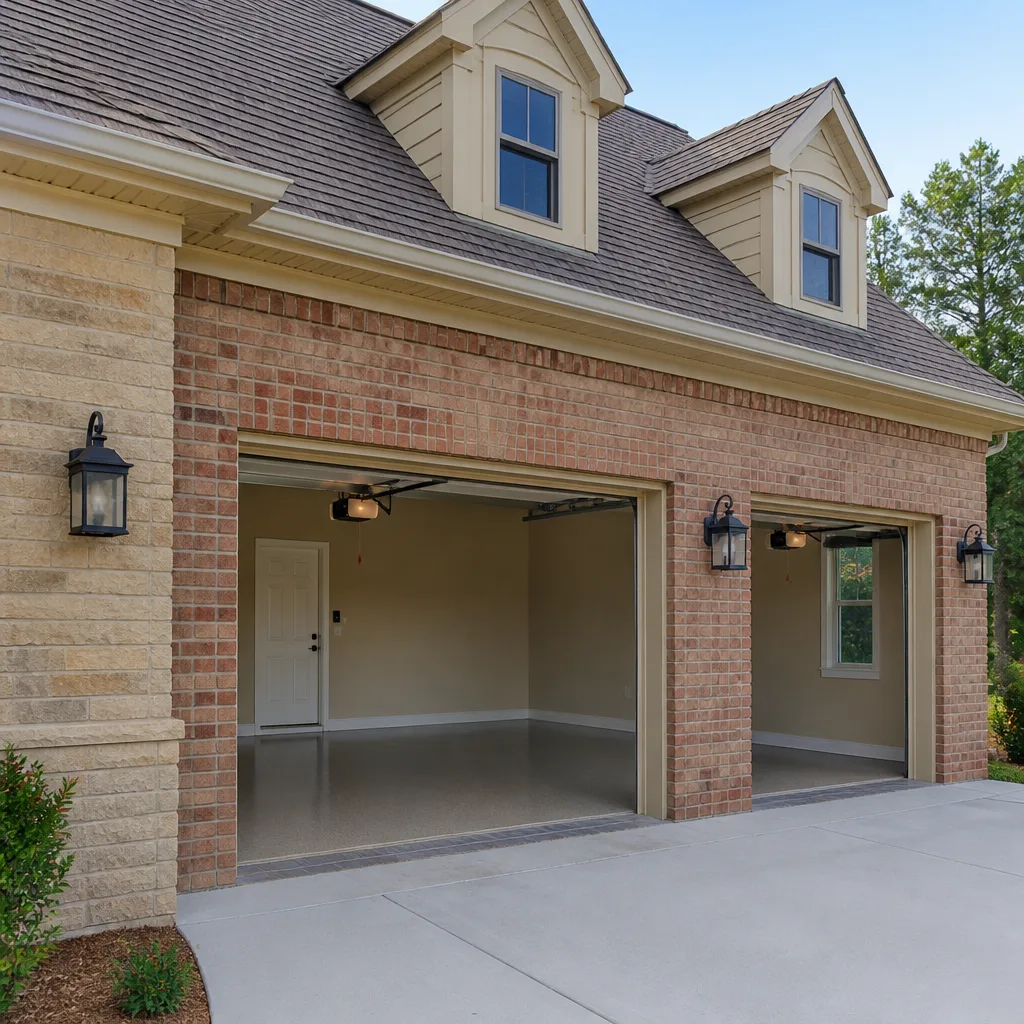 LiftMaster openers
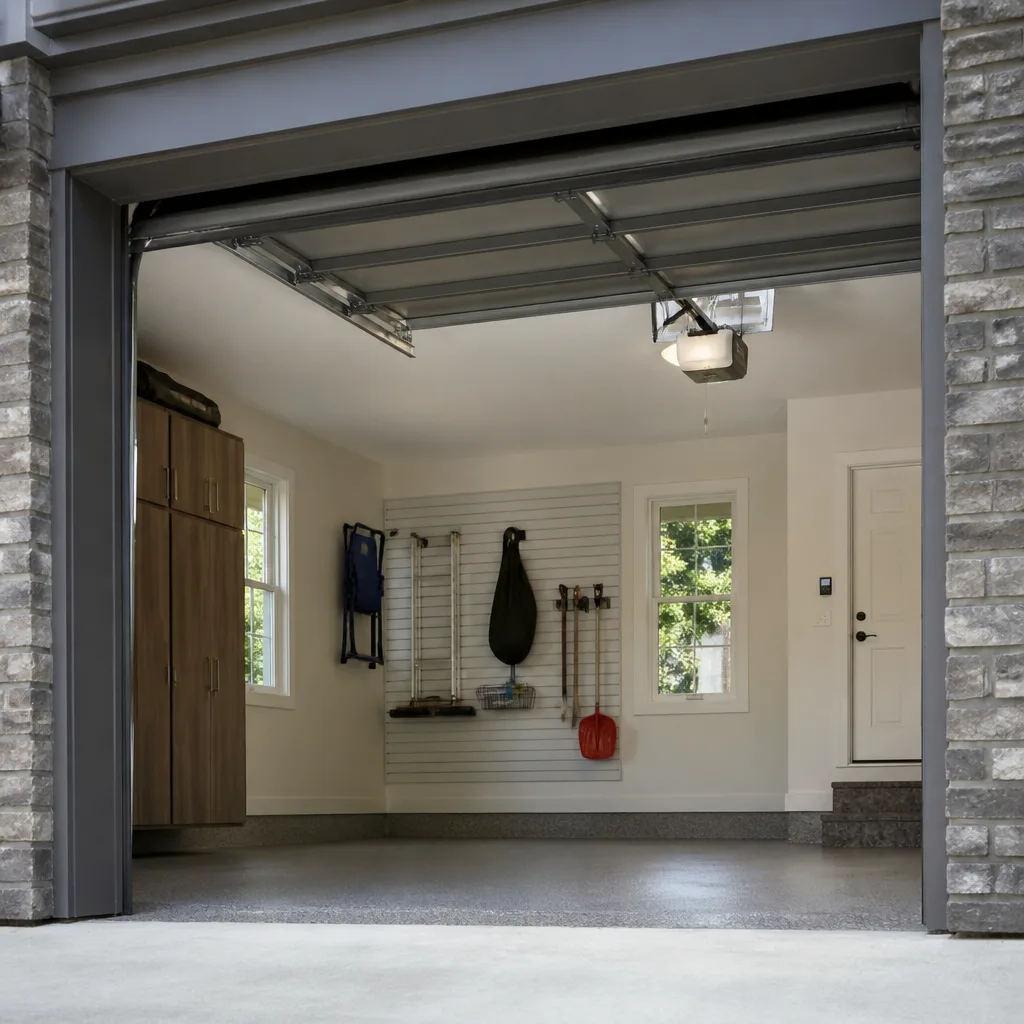 Chamberlain openers
Full 25-point door and opener safety check with every visit - springs, cables, rollers, tracks, and your LiftMaster or Chamberlain opener included
You get a price before we start. It does not change when the pro arrives.
Get your free estimateGarage Door Repair Maintenance Schedule: What to Do and When
Spraying WD-40 on garage door springs is one of the most common maintenance mistakes homeowners make. It feels helpful. It isn’t. That thin solvent spray strips the factory coating off a torsion spring and leaves bare steel behind, which is exactly the condition rust needs to take hold. Over-lubricating is just as damaging as neglect, and most homeowner checklists get that part wrong. Maintenance isn’t about doing more tasks. It’s about doing the right four or five tasks at the right intervals. This guide lays out a calendar-based schedule for Co-op City homeowners, tells you which lubricant belongs on which component, and explains the two simple checks that catch most developing problems before they turn into emergency calls.
Quick Answer
A garage door needs lubricant on the springs, hinges, and rollers about twice a year, a visual inspection of cables and hardware once a season, and a balance and force test monthly. Fall is the critical inspection window in Co-op City, because the humidity swings between summer and winter are what stress metal hardware the most. Everything else can stay on an annual rotation.
Styles & brands we work with
- Raised-panel steel
- Carriage house
- Modern flush
- Full-view glass
- LiftMaster openers
- Chamberlain openers
Table of Contents
- Monthly Checks That Take Five Minutes
- The Seasonal Rotation: What Changes With the Weather
- Annual Maintenance: The Once-a-Year Pass
- Which Lubricant Goes on Which Part
- The Balance Test and the Force Test
- Why Fall Is the Critical Window in Co-op City
- What to Write Down After Each Pass
- Common Mistakes to Avoid
Monthly Checks That Take Five Minutes
Most garage door failures start as something small that nobody looked at for six months. A monthly walk-through is designed to catch those small things early. It doesn’t require tools beyond a rag and a flashlight, and it takes less time than making coffee.
Run through these five steps once a month:
- Open and close the door and listen. A door that used to run quietly and now grinds, squeals, or pops is telling you something has shifted. Note where the sound comes from.
- Run the balance test. Detailed below, but the short version is that a well-adjusted door should hold its position halfway up without drifting.
- Check the safety reverse. Put a small block of wood in the door’s path and close it. The door should reverse on contact. If it doesn’t, the opener’s force settings need attention right away.
- Look at the cables. Stand to the side, never underneath, and check for fraying, kinks, or slack. Cables are under extreme tension and should never be touched by hand.
- Wipe the tracks with a dry cloth. Grit in the tracks accelerates wear on the rollers. Don’t spray anything in there.
In Co-op City, monthly checks matter a little more than they do in a dry climate. The housing here runs along the Hutchinson River and sits among dense blocks of buildings, and the swings between humid summers and cold winters work hardware harder than a steady climate does. Five minutes a month is cheap insurance.
The Seasonal Rotation: What Changes With the Weather
Monthly checks are about function. Seasonal checks are about condition. Four times a year, once per season, take a slower look at the whole system and adjust what you’re watching based on what the weather is doing.
Spring
Winter is hard on a garage door. Cold makes metal contract, grease stiffens, and the door has been cycling in colder conditions for months. A spring check should focus on rust spots forming on the springs and any change in how the door feels when you lift it manually. If it feels heavier than it did in the fall, the springs have lost tension.
Summer
Humidity is the story in summer. Damp air plus a poorly lubricated hinge pin equals corrosion, and corrosion equals a hinge that binds. This is the season to check hinges and roller stems for surface rust and to confirm the lubricant you applied in spring is still doing its job. It’s also when the door sees the most cycles, with the family coming and going all day.
Fall
Fall is the most important seasonal inspection of the year, and we’ll explain why in its own section below. In short: the shift from humid to cold is when hardware that survived summer starts to fail, and catching it in October is a lot cheaper than catching it in January.
Winter
Cold weather checks focus on the opener. Grease in the drive system thickens, batteries in remotes and keypads weaken, and the safety sensors can get fogged or blocked by snow and ice. Clear the sensor lenses, test the remote range, and confirm the door isn’t straining on the first cold mornings.
Annual Maintenance: The Once-a-Year Pass
One deep pass a year covers the parts you don’t need to look at monthly. Set aside an hour for it, ideally in the fall, and work through the whole system in order:
- Lubricate springs, hinges, and rollers per the schedule in the next section. A proper annual lubing takes fifteen minutes and no more.
- Inspect the door panels for dents, cracks, or separation at the seams, especially on steel doors from Clopay, Amarr, or Wayne Dalton that have been through a lot of weather.
- Check the hinges for bent leaves or sheared screws. Tighten anything loose; replace anything cracked.
- Examine the rollers for flat spots or wobble. Steel rollers wear differently than nylon ones, and a wobbling roller is a sign it’s time to replace.
- Test the opener’s force and travel limits. The door should open freely and stop at the correct height without slamming or straining.
- Check the weather seal at the bottom. A torn seal lets in cold air, water, and pests, and it makes the door work harder to close cleanly.
- Look at the mounting hardware for the opener rail and springs. Loose brackets are a common source of vibration and noise.
That’s the full annual list, and it’s the same list we walk through when a Co-op City homeowner calls for garage door repair. The purpose is to catch problems while they’re still small adjustments rather than full replacements.
Which Lubricant Goes on Which Part
This is where most checklists fall apart. Garage doors do not get one universal spray. Different components need different products, and using the wrong one does more harm than good.
| Component | What to Use | What to Avoid |
|---|---|---|
| Torsion and extension springs | A silicone-based or white lithium spray, applied lightly | WD-40, which strips the factory coating and invites rust |
| Hinges | White lithium grease or a light spray grease on the pivot points | Heavy axle grease, which collects grit |
| Rollers | A few drops of light oil on the stems only | Grease on the roller wheels, which can gum up the tracks |
| Tracks | Nothing. Wipe with a dry cloth only | Any lubricant at all, which attracts dirt and causes sticking |
| Opener drive chain or screw | The lubricant specified by the manufacturer (Genie and LiftMaster each have their own spec) | Improvised substitutes |
One rule of thumb: anything that pivots gets a light product, anything that slides stays dry. Springs are the exception that trips people up. They look like metal that needs protecting, so people reach for the spray can. Don’t. A coated spring left alone will outlast a stripped one every time. If you’re unsure what product is right for the specific brand of door or opener you own, that’s a reasonable thing to ask about when you call.
The Balance Test and the Force Test
These two checks are worth their weight, because in our experience they reveal the majority of developing mechanical problems before anything actually breaks. Both take under a minute.
The balance test
- Disconnect the opener using the emergency release cord.
- Move the door manually to roughly halfway open.
- Let go. The door should hold its position, maybe drifting an inch or two, and stay there.
- If the door slides up on its own, the springs are too tight. If it drops, the springs are too weak.
A door that fails the balance test is telling you the springs are worn. Springs don’t last forever; they cycle thousands of times and eventually lose their tension. Catching that early means you can schedule a spring repair before the door gets stuck halfway and traps your car.
The force test
Reconnect the opener. Close the door and listen. A door that slams the last few inches has its force setting too high, or a mechanical problem the opener is fighting. A door that hesitates and reverses partway down either has a force setting too low or an obstruction in the track or seal. Either way, the opener is telling you something. Pay attention.
The force test is also where you catch safety sensor problems. The sensors sit at the bottom of the tracks and should reverse the door the moment anything interrupts the beam. Fog, debris, or a shifted sensor bracket will quietly deactivate that safety function. Test it every month.
Why Fall Is the Critical Window in Co-op City
Co-op City’s humidity swings more than most people realize. Summer air here is heavy and damp, especially along the river and among the dense building rows. Winter air is cold and dry. Hardware that spends all summer absorbing moisture and then gets hit with cold, dry air goes through a contraction cycle that stresses it at every joint.
That’s why the fall inspection matters most. In October and November, you’re looking at hardware that just survived the hardest stretch of the year. Rust that started forming in July is now visible. Springs that were stretched taut in the heat are showing their wear. Hinges that collected grime over summer are binding. Catching those problems in fall means you don’t find them on a cold January morning with a car trapped inside.
On top of the weather, Co-op City’s housing mix puts doors through a lot of cycles. Buildings with shared garages and busy driveways see doors opening and closing dozens of times a day. That’s more wear than a standalone house door sees, and it makes the fall check non-negotiable. If you own a Clopay or Amarr steel door, pay particular attention to panel seams and the paint coating in fall; once moisture gets under a failing coating, it spreads.
What to Write Down After Each Pass
Here’s the part almost no maintenance schedule mentions: write it down. A simple log in a notebook or on your phone turns random observations into a pattern, and that pattern is what a technician needs to diagnose a problem quickly.
After each pass, record:
- Date and what you did. “Fall inspection, lubed springs, wiped tracks.”
- Any new noise or unusual behavior. “Grinding on left side when closing.”
- Results of the balance and force tests. “Balance test passed. Door reversed early on force test.”
- Visible condition changes. “Rust spots on third hinge. Spring looks dry.”
- Any adjustments made. “Adjusted force setting one turn.”
The value of this log shows up when you eventually need a service call. Instead of describing a vague “it’s been making a funny noise,” you can tell a technician exactly when it started, what changed, and what you’ve already tried. In our experience, a homeowner with a maintenance log gets a faster diagnosis and a more accurate estimate than one starting from scratch. The log also tells you when a component was last replaced, so you know how much life it has left.
Common Mistakes to Avoid
- Spraying WD-40 on the springs. It’s the single most common mistake we see. It feels like protection, but it strips the coating and leaves bare steel to rust. Use a silicone or white lithium product instead.
- Lubricating the tracks. Grease in the tracks collects grit and makes the door drag. Tracks should stay dry and be wiped clean with a cloth.
- Over-lubricating everything. More lubricant is not better. A thin coat is all you need; excess grease attracts dirt and turns into a grinding paste over time.
- Ignoring a failed balance test. If the door drops or rises on its own at halfway, the springs need attention. Waiting for the door to fail completely costs more and puts more stress on the opener.
- Touching the cables or springs to “check” them. High-tension components can cause serious injury if they move under load. Visual inspection only; leave adjustment and replacement to a trained professional.
- Skipping the fall inspection. Co-op City humidity swings mean the annual fall pass is the one that catches the most developing problems. Missing it means finding those problems in winter, when they’re worse.
- Not keeping a log. Without a record, you can’t tell whether a noise is new or has been there for years. A two-line entry each time saves time during a service call.
See the difference
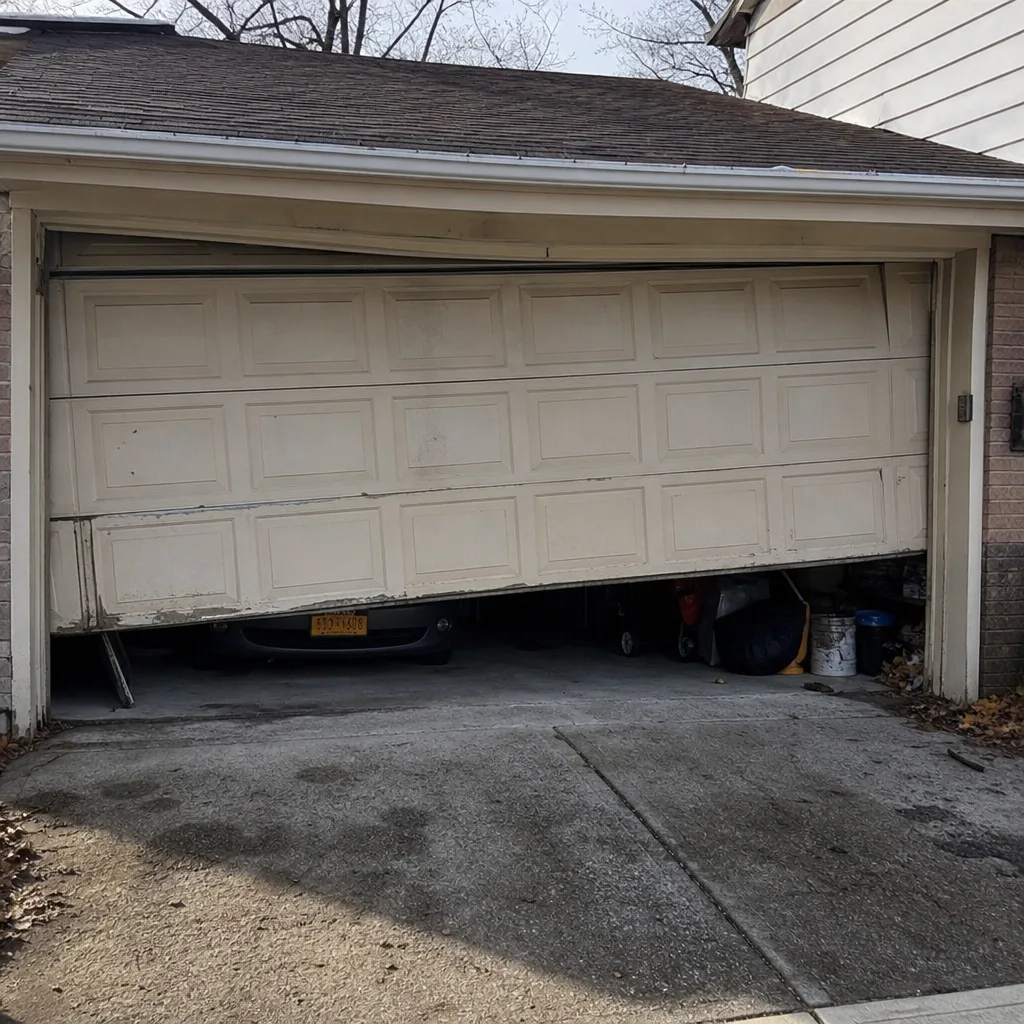 Before
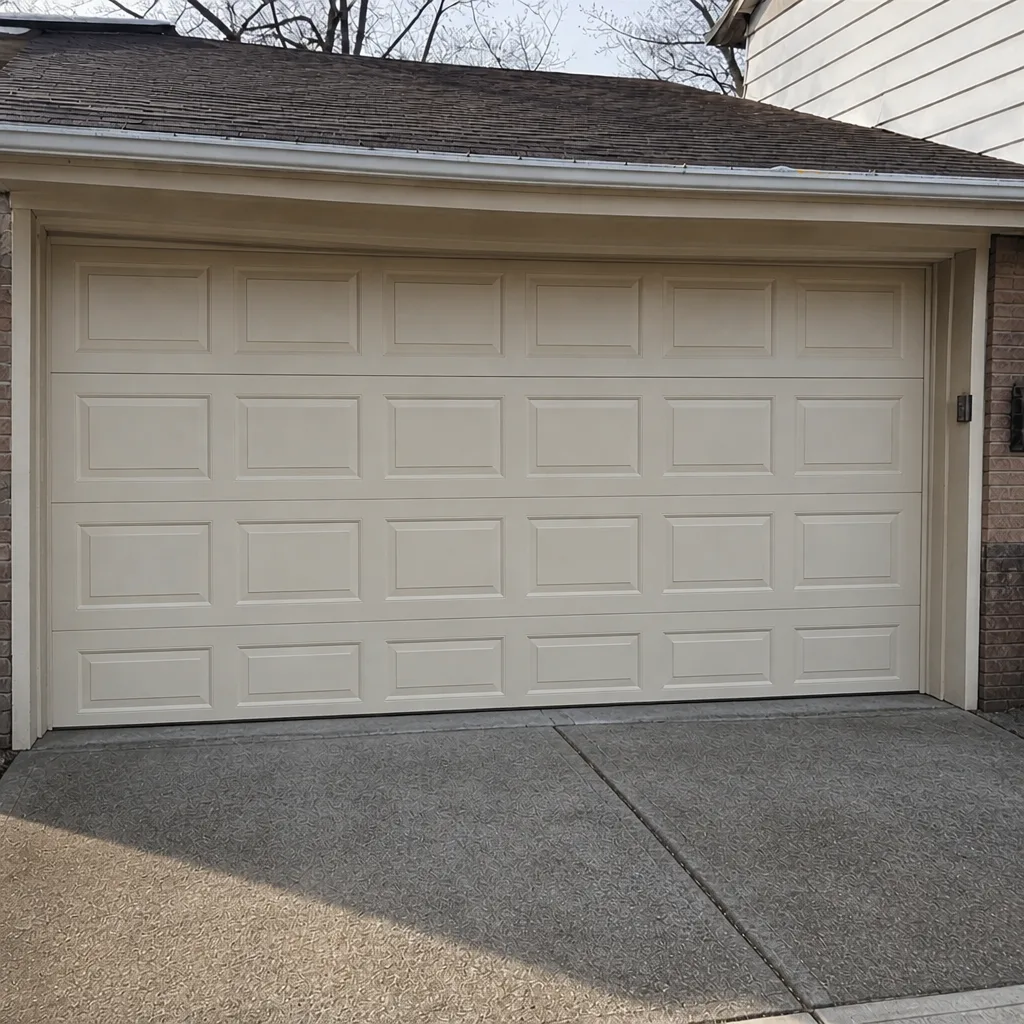 After
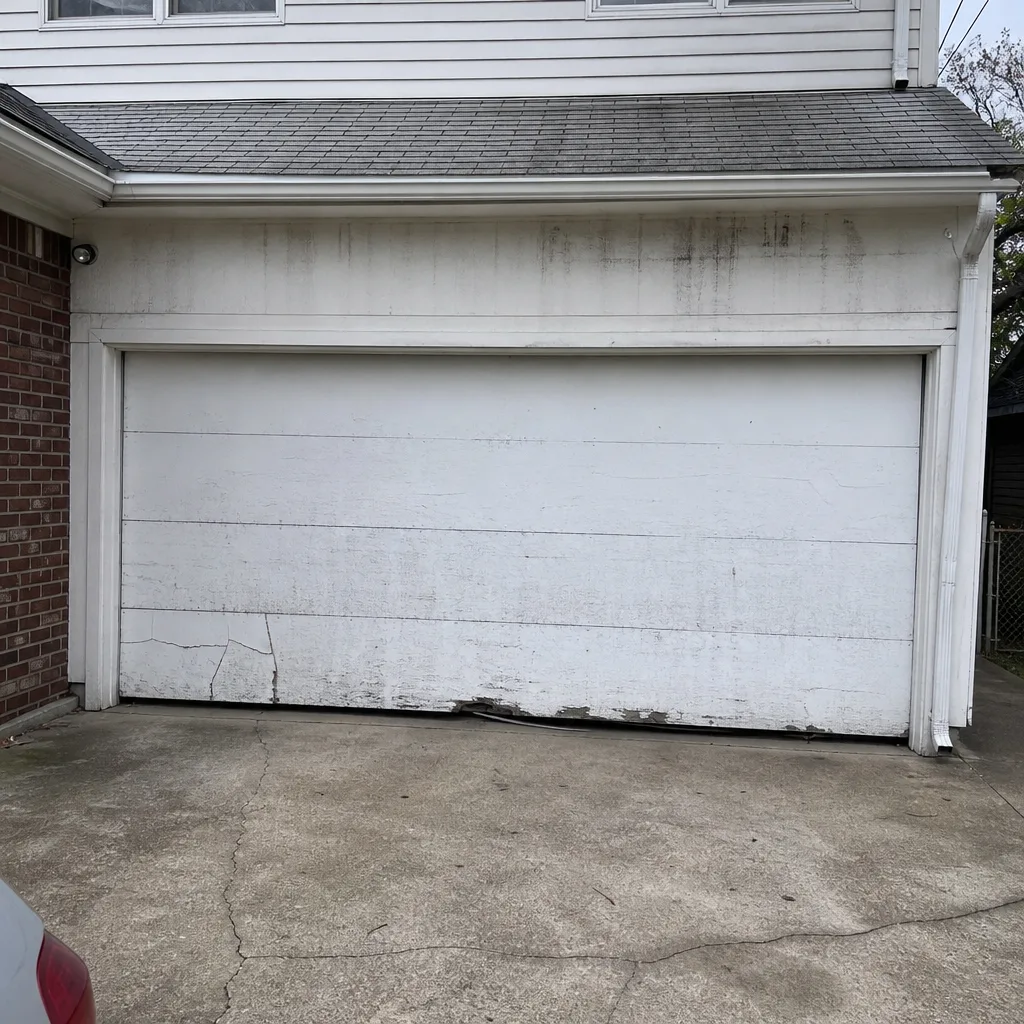 Before
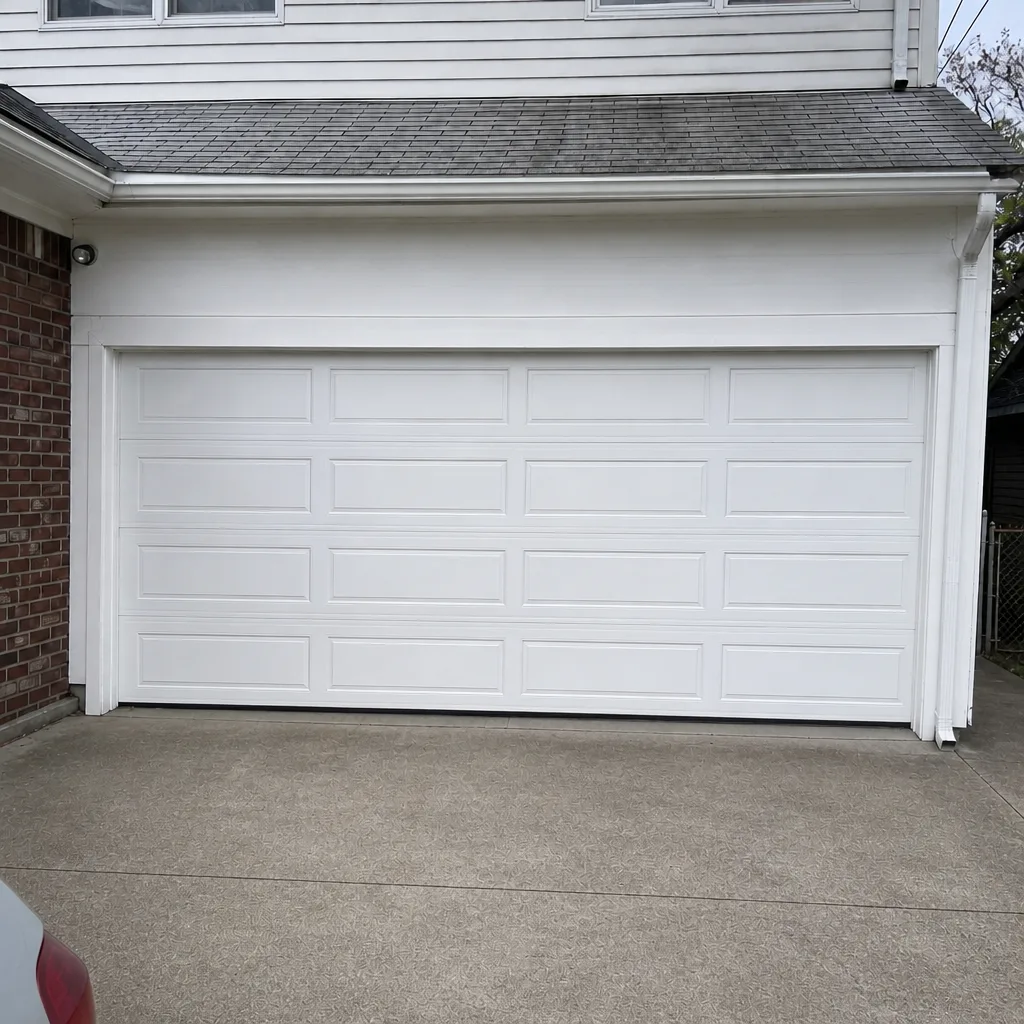 After
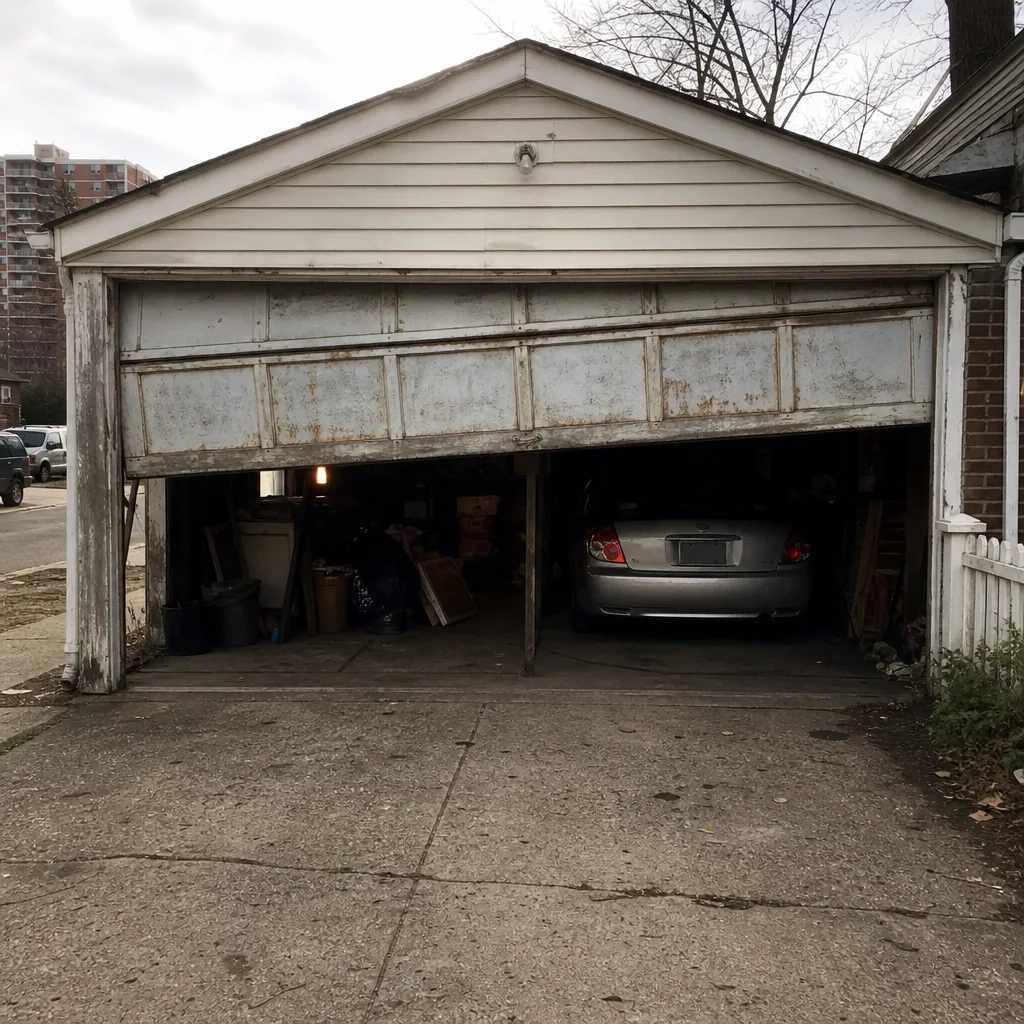 Before
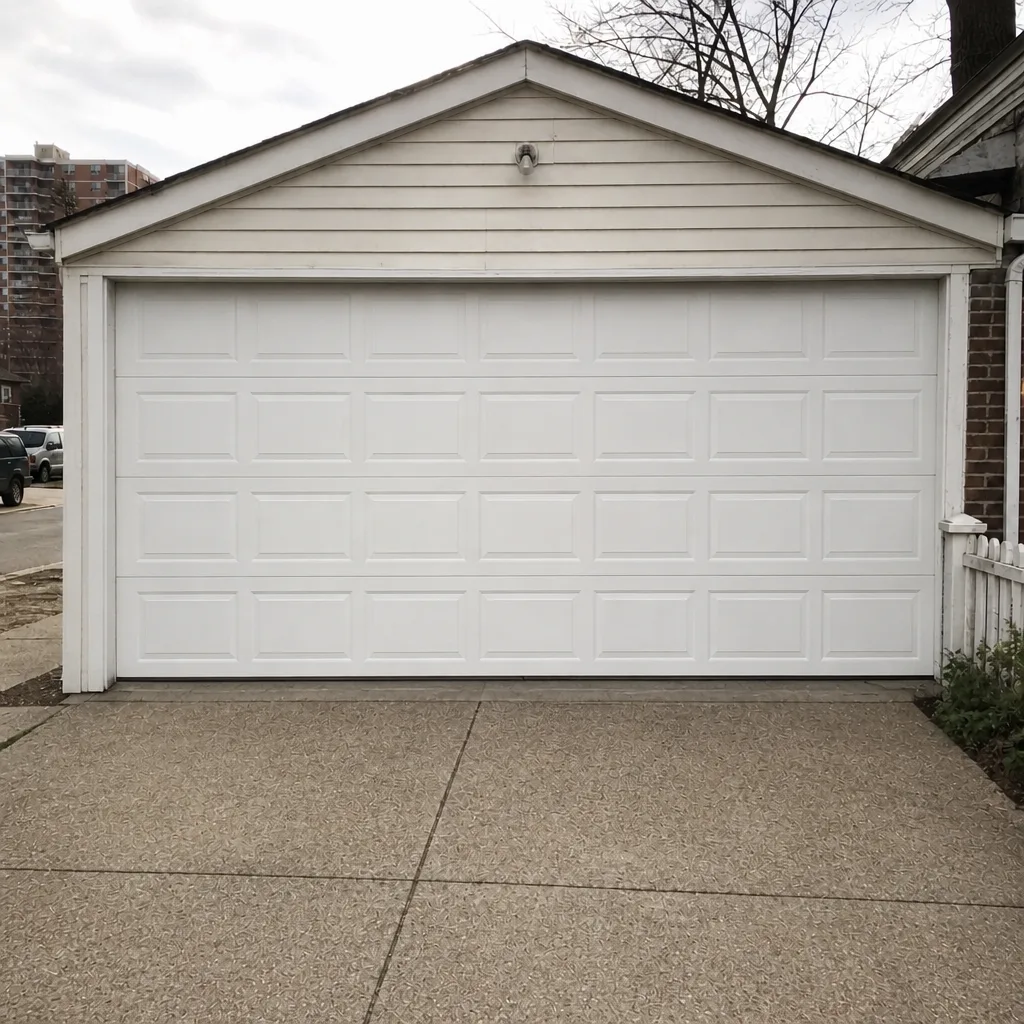 After
When to Call a Professional
Most of the maintenance schedule above is safe for a homeowner to handle. A few scenarios are not, and knowing where to draw the line is part of doing this well.
Call a professional if the door fails the balance test repeatedly, if you see frayed or slack cables, if the door is off its tracks, if a spring has visibly snapped or lost tension, or if the opener is straining, reversing unexpectedly, or refusing to move the door at all. High-tension springs and cables are dangerous to work on without the right tools and training. Don’t try to adjust or replace them yourself.
Garage Door Repair Co-op City offers free estimates in Co-op City. Call (844) 741-4548 and we’ll take a look, talk through what’s happening, and give you a written price before anything is done. We work on the brand you already have, including Genie, Clopay, Amarr, Wayne Dalton, LiftMaster, Chamberlain, Craftsman, and Raynor, so the diagnosis is accurate and the right parts come the first time. Our technicians have up to 10 years of experience, and we handle repair, opener repair, spring work, and full garage door installation under one call. If your door won’t move, that’s also a security issue for your home, and we offer emergency service for failures that need immediate attention.
Frequently Asked Questions
Twice a year is the standard for springs, hinges, and rollers, with a light application each time. Track cleaning can happen monthly with a dry cloth. Over-lubricating is a real problem, so a thin coat is better than a heavy one.
A silicone-based or white lithium spray applied lightly is the right choice. Avoid WD-40 and other solvent-based sprays, which strip the factory coating and leave the steel exposed to rust. If you’re unsure which product suits your specific door and opener brand, ask before you spray. Call (844) 741-4548 and we’re happy to point you to the right one.
Summer humidity and winter cold create the largest swing in conditions hardware faces all year, and fall is when the effects of that swing become visible. Rust, worn springs, and binding hinges that developed over summer are easiest to catch in October and November. Getting ahead of them in fall prevents winter emergency calls.
No. Garage door springs are under hundreds of pounds of tension, and adjusting or replacing them without proper tools and training can cause serious injury. Visual inspection is fine; any adjustment or replacement should be done by a trained technician.
Schedule a service call. A door that slides up or drops on its own at the halfway point has worn or improperly tensioned springs, and that condition will put strain on the opener and eventually cause a failure. Call (844) 741-4548 for an estimate; a spring repair now is usually cheaper than an opener replacement later.
Some brands have their own lubricant specs and service intervals, particularly for opener drive systems. Genie and LiftMaster products each have recommended products and schedules. If you’re unsure, mention your brand when you call and we can tell you what applies. Our technicians have up to 10 years of experience with the major door and opener lines, so we can answer quickly.
The Bottom Line
Good garage door maintenance is four things done consistently: monthly visual checks with a balance and force test, quarterly seasonal inspections that follow the weather, one annual deep pass in fall, and a written log of what you find. The single biggest mistake is over-lubricating, especially on springs. The single most valuable window is fall, because Co-op City’s humidity swings make it the season when developing problems become obvious. If anything on this list is beyond what you’re comfortable doing, or if a test fails, call a professional. Garage Door Repair Co-op City is here to help, and a free estimate is one call away. Call (844) 741-4548 to schedule a maintenance pass or get an honest assessment of what your door needs.
Written by the team at Garage Door Repair Co-op City.
When your door needs professional attention, we also handle garage door opener repair and full-service assessment across Co-op City. For the complete range of what we do, visit Garage Door Repair Co-op City.