Last updated November 21, 2026
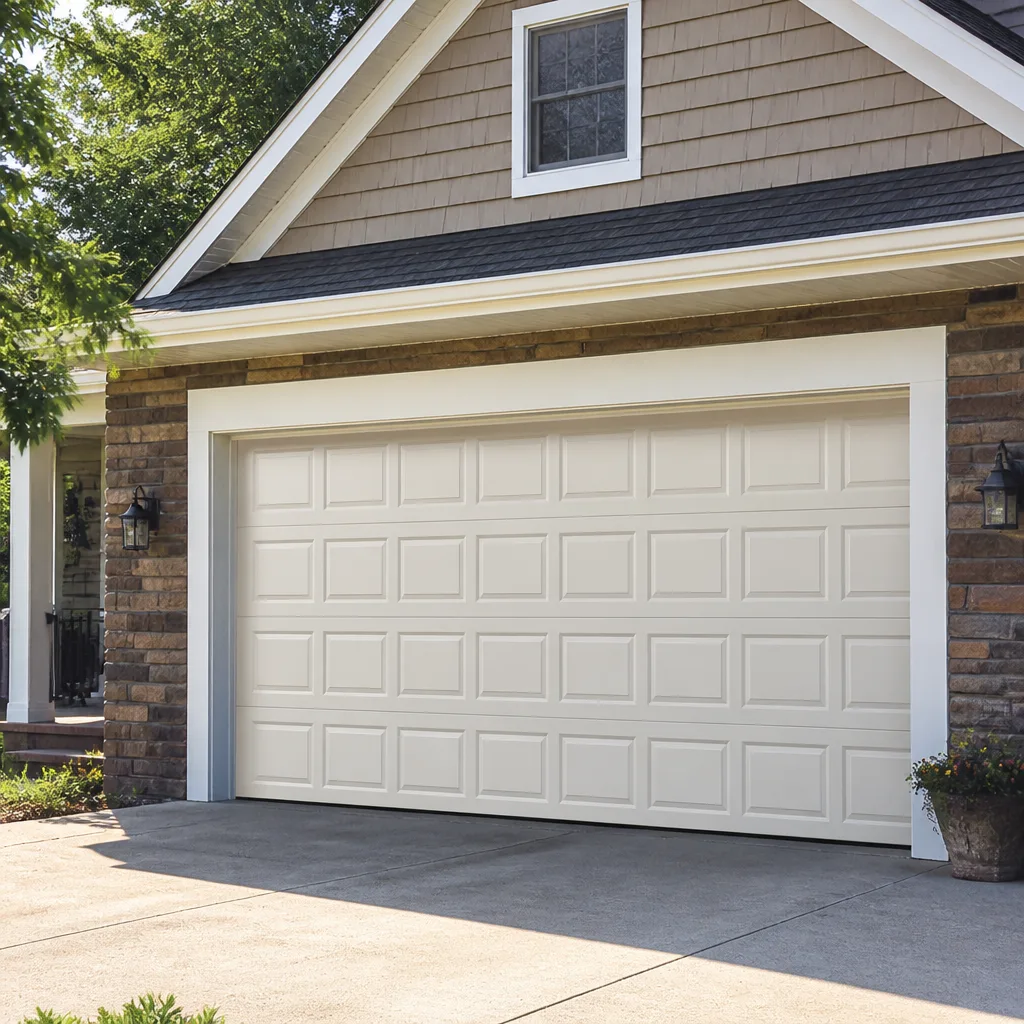 Raised-panel steel
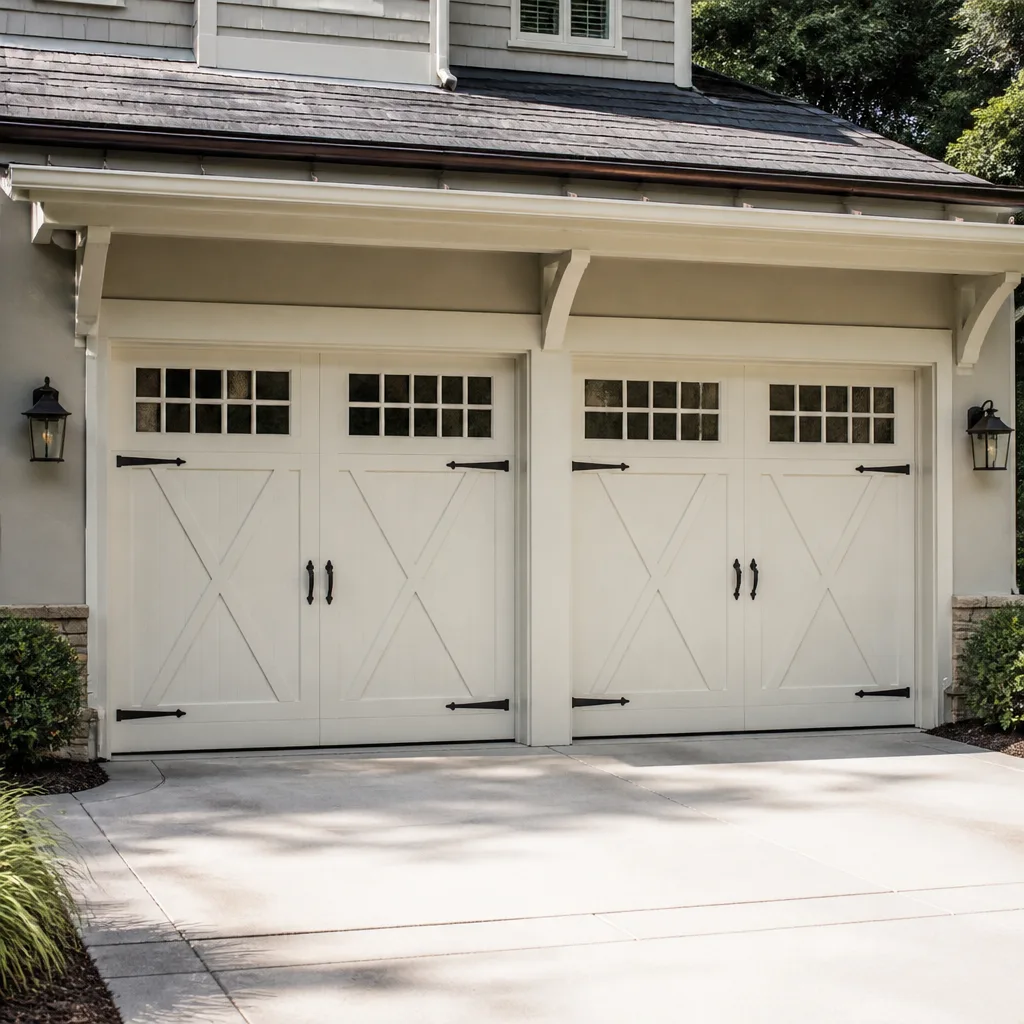 Carriage house
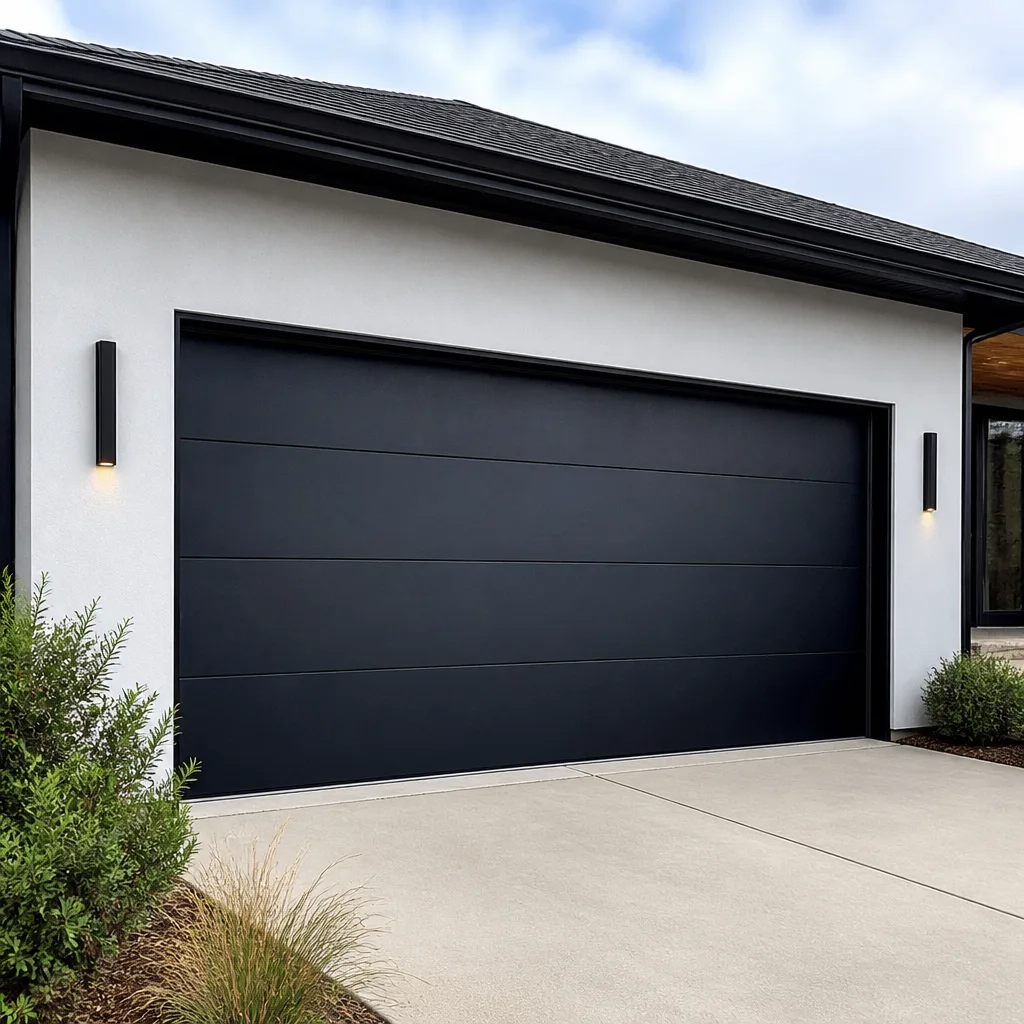 Modern flush
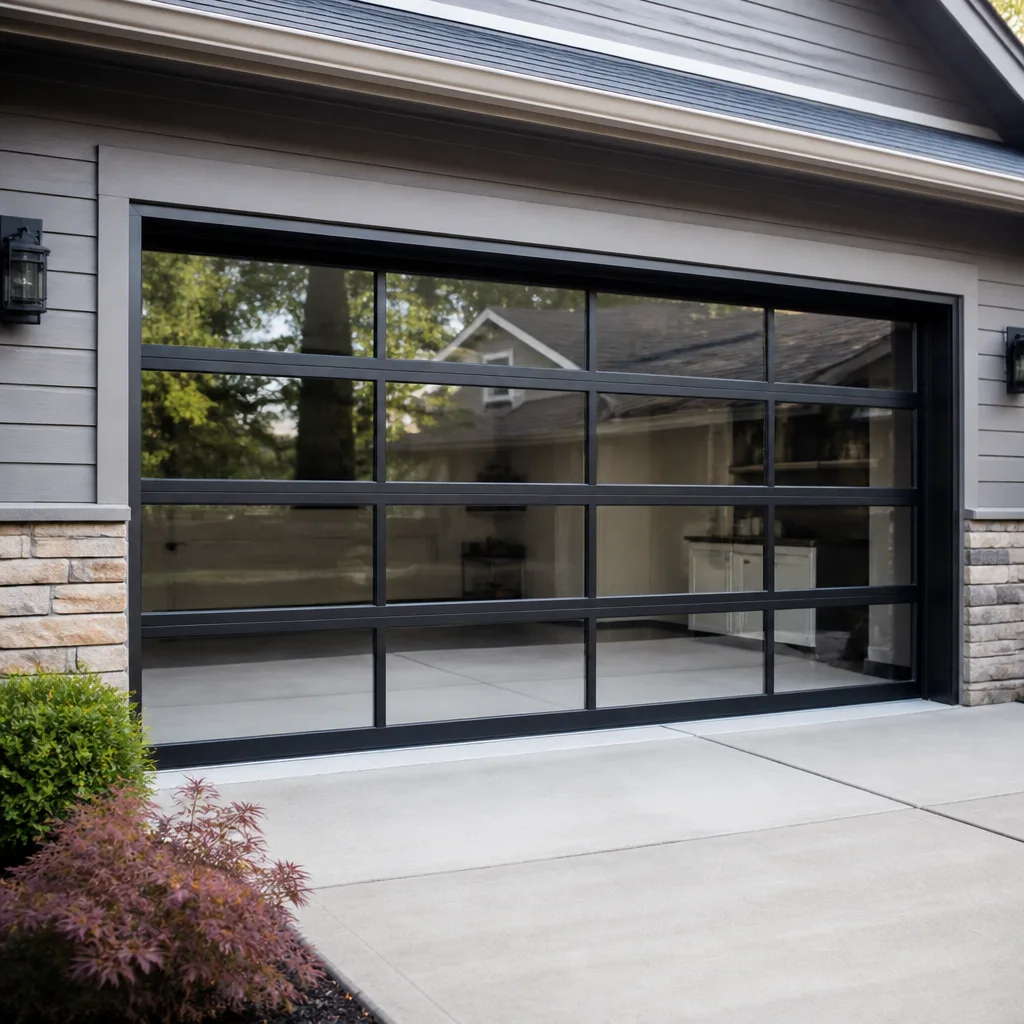 Full-view glass
 LiftMaster openers
 Chamberlain openers
Full 25-point door and opener safety check with every visit - springs, cables, rollers, tracks, and your LiftMaster or Chamberlain opener included
You get a price before we start. It does not change when the pro arrives.
Get your free estimateGarage Door Warning Signs: A Co-op City Homeowner’s Reference Guide
A garage door doesn’t usually fail without warning. It grinds, hesitates, sags, or reverses long before it stops moving entirely, and the homeowners who catch those signals early spend less and stay safer than the ones who wait for the snap. Most people dismiss a half-second pause or a grinding noise as “just an old door,” when it’s actually pointing to a specific part that can be fixed now. This guide teaches Co-op City homeowners how to read their door’s symptoms and know when to watch, when to schedule service, and when to stop using it altogether.
Quick Answer
A garage door in Co-op City that grinds, hesitates, sags, reverses, or wobbles is signaling a worn part – usually a spring, roller, cable, or opener gear – and most of these issues are cheaper to fix early than after the door stops. If the door drops fast, comes off its tracks, or you hear a loud crack, stop using it and call a professional. In our experience, the earlier you address these signals, the less expensive the repair.
Styles & brands we work with
- Raised-panel steel
- Carriage house
- Modern flush
- Full-view glass
- LiftMaster openers
- Chamberlain openers
Table of Contents
- What Do the Different Sounds Coming From Your Garage Door Mean?
- What Can You Spot in a 60-Second Visual Check?
- How Do Opener Behavior Changes Point to Specific Components?
- Why Is an Unevenly Moving Door a Safety Concern Even When It “Works Fine”?
- What Is the Three-Tier Severity Framework for Garage Door Problems?
- How Do Co-op City Weather and Building Conditions Affect Garage Doors?
- Do Warning Signs Differ by Door and Opener Brand?
- When Is It Time to Repair vs. Replace the Door?
What Do the Different Sounds Coming From Your Garage Door Mean?
The type of noise your door makes tells you which component is wearing, and the distinctions matter because each fix is different. A grinding sound at the top of the door usually means roller bearings or a dry track, while a scraping or banging from overhead typically points to a torsion spring under tension. A snap or pop is a spring or cable that has already failed, and the door should not be operated.
Here’s how to sort the sounds you’re hearing:
- Grinding or raspy rattle – worn steel rollers or a dry track. Rollers are a replaceable part, and upgrading to nylon rollers is a common fix.
- Scraping metal on metal – hinge wear or a misaligned track. The door is rubbing where it shouldn’t.
- A steady squeal during travel – the track needs lubrication or the opener’s chain is dry.
- A loud snap or bang – a torsion spring has broken. The door may not open at all, and the system is now dangerous. Stop using it.
- Popping or pinging from the cable side – a cable is fraying or about to slip off its drum. This one is a stop-using-now signal.
- Buzzing near the opener unit – an opener gear or motor issue rather than the door itself.
In our experience, the grinding and squealing categories get ignored the longest because the door still opens. That’s exactly the window where a cheap roller replacement heads off a track repair. If you’re hearing a snap, skip to the severity framework below and stop running the door.
What Can You Spot in a 60-Second Visual Check?
You can catch most emerging problems with a quick walk-around, no tools required. Check the door in the open position and again as it moves; the visual cues below tell you the condition of the cables, rollers, seals, and springs that carry the door’s weight.
Run through this list in under a minute:
- Cables: Look at the steel cables on each side of the door. They should be taut, straight, and evenly wound on their drums. Fraying strands, kinks, or slack on one side mean the cable is wearing – a stop-using signal.
- Rollers: With the door open, look at each roller. Chipped, flat-spotted, or missing bearings signal replacement. Nylon rollers are quieter than the older steel kind.
- Bottom seal: Check the rubber gasket along the bottom edge. A cracked, torn, or missing seal lets water, drafts, and pests in, and it’s an easy replacement.
- Springs: Look at the torsion spring above the door (the coiled one on the shaft) or the extension springs alongside the tracks. A visible gap in a torsion coil or an overstretched extension spring means the spring is done.
- Tracks: Run your eyes down each track. Dents, bends, or a track pulling away from the wall mount will make the door jump or bind.
- Hinges and brackets: Look for loose bolts, rust, or a hinge that’s bent or pulling out of the door panel.
None of this requires touching moving parts. The visual check is about what you can see from standing on the floor, and it’s the fastest way to catch a worn roller before it becomes a stuck door. If a cable looks frayed or a spring shows a gap, don’t run the door – call for garage door repair instead of testing your luck.
How Do Opener Behavior Changes Point to Specific Components?
When the opener starts hesitating, reversing, or moving slower, the symptom usually traces to one of three things: the safety photo-eye, a worn motor gear, or a failing drive belt or chain. A door that hesitates for half a second before closing is a classic case – it’s not “just old,” it’s one of these three, and each has a different fix.
Here’s how to read opener behavior:
- Door reverses immediately after touching the floor – the safety photo-eye is misaligned or the lens is dirty. This is usually a quick adjustment.
- Door reverses partway on the way down – either the photo-eye or the opener’s force setting is out of adjustment. The opener believes it hit an obstacle.
- Door hesitates before moving – a worn motor gear, a weak capacitor, or a loosening drive belt. On older Craftsman and LiftMaster units, the motor gear is a known wear point.
- Door moves slowly or struggles on the up stroke – could be the opener or could be the door’s balance. Don’t assume it’s the opener until the door is checked.
- Opener runs but door doesn’t move – a stripped gear, a broken spring, or a disconnected trolley. The opener is fine; the connection isn’t.
- Remote or wall button needs several presses – usually a battery, a signal issue, or a failing logic board.
These are the calls where brand knowledge earns its keep. Our technicians work with LiftMaster, Chamberlain, Genie, and Craftsman openers directly, so we know the failure patterns and can source the right part without guesswork. If you’re not sure whether the problem is the opener or the door, our garage door opener repair team can sort it out.
Why Is an Unevenly Moving Door a Safety Concern Even When It “Works Fine”?
A door that opens and closes but moves unevenly is a safety issue, not a cosmetic one. An uneven door means one side is carrying more weight than the other, and that imbalance stresses the springs, cables, and opener every single time the door runs. Left alone, those stressed parts are the ones that fail suddenly and without warning – the opposite of the early-warning signals this guide is teaching.
Signs an “working” door is actually out of balance:
- The door visibly tilts or sags on one side as it travels.
- One side reaches the floor before the other.
- The door shudders or shakes during travel.
- The opener strains or the light dims when the door starts up.
- You can lift the door by hand easily on one side but not the other.
Balance is the underlying issue, and balance is set by the springs. When a spring weakens, the opener takes on work it wasn’t designed for. That’s why an uneven door often signals a spring on its way out. Address the balance and you take pressure off the whole system.
Here’s the safety frame: a garage door weighs hundreds of pounds and is held overhead by springs and cables under tension. When the system is out of balance, the door can come down hard. That’s why high-tension garage door springs and cables are not a do-it-yourself repair – they can cause serious injury when handled without the right tool and training. For a door that’s binding or off its tracks, call for service rather than lifting it yourself.
What Is the Three-Tier Severity Framework for Garage Door Problems?
Sort every symptom you find into one of three tiers: watch it, schedule service, or stop using the door now. The framework keeps you from overreacting to normal wear and from ignoring a real hazard. It also translates directly into what you tell a technician when you call.
Tier 1 – Watch it. The door still functions and the symptom is mild. Check it again in a week or two.
- A faint squeak or rattle that comes and goes.
- One sticking roller.
- A remote that occasionally needs a second press.
- Weather-seal draughts at the bottom.
Tier 2 – Schedule service. The symptom is consistent and worsening. The door still works, but it’s wearing.
- Regular grinding or scraping.
- Visible cable fraying or rust.
- Uneven travel or door tilt.
- Opener hesitating or reversing partway.
- Squealing chain or exposed track wear.
Tier 3 – Stop using the door now. The system has failed or is a hazard.
- You heard a loud snap or bang.
- A spring is visibly broken or hanging slack.
- A cable is frayed to a single strand or off its drum.
- The door is off its tracks or sagging on one side.
- The door falls or drops faster than normal.
Tier 3 failures are where emergency service earns its place. In Co-op City, a door that won’t close leaves the garage and the home exposed, so a Tier 3 issue is both a physical hazard and a security concern. Call right away – our team handles emergency garage door service for exactly these failures.
How Do Co-op City Weather and Building Conditions Affect Garage Doors?
Co-op City’s climate works on garage door hardware in specific ways. Cold winters and freeze-thaw cycles congeal lubricant, stiffen springs, and make older metal parts contract. That’s why many doors squeal or strain on the first cold morning and quiet down by midday. The season you notice a symptom can be as telling as the symptom itself.
What the local conditions do to a door:
- Freeze-thaw cycles – track contractions can cause a door to bind temporarily, then work again once warmed.
- Summer humidity – accelerates rust on cables, hinges, and the bottom of tracks.
- Temperature changes – make springs expand and contract, which changes balance. A door that was fine in July may drift out of balance in January.
- Salt and grit from winter roads – works into rollers and tracks and grinds down moving parts.
Co-op City’s multi-unit buildings add another layer. Doors in mixed residential settings and shared driveways face more handling, and urban grit settles into tracks faster than in suburban lots. The bottom seal takes the worst of it, which is why a quick check for cracks and tears should be part of your seasonal routine.
Worn rollers and cables are ordinary wear – but the fix is the right parts, and knowing the brand of your door speeds that up. If you’re not sure what’s on your door, our technicians work with Clopay, Amarr, Wayne Dalton, and Raynor, so we can match the right part first time. If the door’s wearing out entirely, the garage door installation team will talk you through what’s involved.
Do Warning Signs Differ by Door and Opener Brand?
The warning signs don’t change much by brand – a broken spring looks like a broken spring – but the fix, the part, and the wear patterns do. Door manufacturers use different spring configurations, panel systems, and hardware dimensions. Opener manufacturers use different motor gears, drive setups, and logic boards. Knowing the brand means the right part the first time, not a second visit after the tech has to order something.
What brand matters for:
- Spring matching – wire size, coil count, and torsion or extension style vary. The wrong spring wears out fast.
- Roller and hinge fit – tolerances differ between manufacturers.
- Opener drive parts – a chain on one brand won’t fit another. Drive belts and worm gears are specific.
- Panel and seal replacement – a bottom seal or a panel has to match the door.
This is where we can save you time. Our technicians are qualified on 8 major brands across two categories: the door hardware side (Clopay, Amarr, Wayne Dalton, Raynor) and the opener side (LiftMaster, Chamberlain, Genie, Craftsman). That means the right parts, right brand, first visit – instead of a generalist who has to look up the manual on-site. When you call, tell us the brand and the symptom, and we can plan the visit around what’s actually on your door.
In our experience, brand knowledge matters most on Tier 2 calls. A grinding LiftMaster and a grinding Genie can be two different failures, and the diagnosis is faster when the tech knows the platform. It also means the tech can advise you on when a repair is worth it and when the door is at the end of its life.
When Is It Time to Repair vs. Replace the Door?
Repair makes sense when the door’s structure is sound and a specific component has failed or worn. Replacement is usually the better call when the door is rusted through, panels are damaged beyond patch, or you’re facing a repair that costs a good chunk of a new door’s price. The warning signs guide you either way – the question is whether the failure is one part or the whole system.
A rough repair-vs-replace test:
- Is the door solid? If the panels, hardware, and structure are sound but a spring, roller, or cable has failed, repair the part.
- Is the repair isolated? One or two worn parts means repair. Widespread rust, sagging panels, and dead hardware on the same door is a replacement conversation.
- Is the door out of balance from age, not a single failure? A door that needs constant adjustment is telling you the spring system is done. That’s often a replace-or-rebuild call.
- Is the track failing? Bent or separated tracks that repair won’t hold point toward replacement.
- Does the opener match? A new door with an old failing opener is a mismatch – plan both together.
For a full fleet’s worth of symptoms, our Garage Door Repair Co-op City team can look at the door as a whole and give you a straight repair-or-replace read. If a repair is the answer, the goal is the right part, the right brand, the first visit – so the door doesn’t fail again in six months.
Common Mistakes to Avoid
- Ignoring a grinding sound because the door still opens. Grinding is a worn roller or a dry track – both cheap to fix now and expensive to fix after the track bends. Treat it as a Tier 2 call, not a background noise.
- Testing the door after a spring snaps. A broken spring means the door’s weight is no longer supported. Running the opener risks the door coming down hard – a real injury risk, so stop and call.
- Oiling instead of replacing worn rollers. Lubricant quiets a squeaky roller for a week or two. It doesn’t repair a flat-spotted or cracked roller, and it can hide the wear that’s actually the problem.
- Assuming a slow door is an opener problem. A door that moves slowly could be the opener, or it could be a balance issue that’s overloading the opener. Diagnose the door before replacing the opener.
- Adjusting the force setting to make the door “work.” Turning up the force masks the symptom and drives worn parts harder. The right fix is finding what’s actually failing.
- Forgetting the bottom seal in Co-op City weather. Freeze-thaw and grit tear seals up. A cheap seal left alone lets water and pests under the door and speeds rust on the hardware.
- Calling a generalist for a brand-specific fix. A tech who has to look up the manual on-site can’t plan the first visit around the right part. If the door has a name on it, call someone who knows the brand.
See the difference
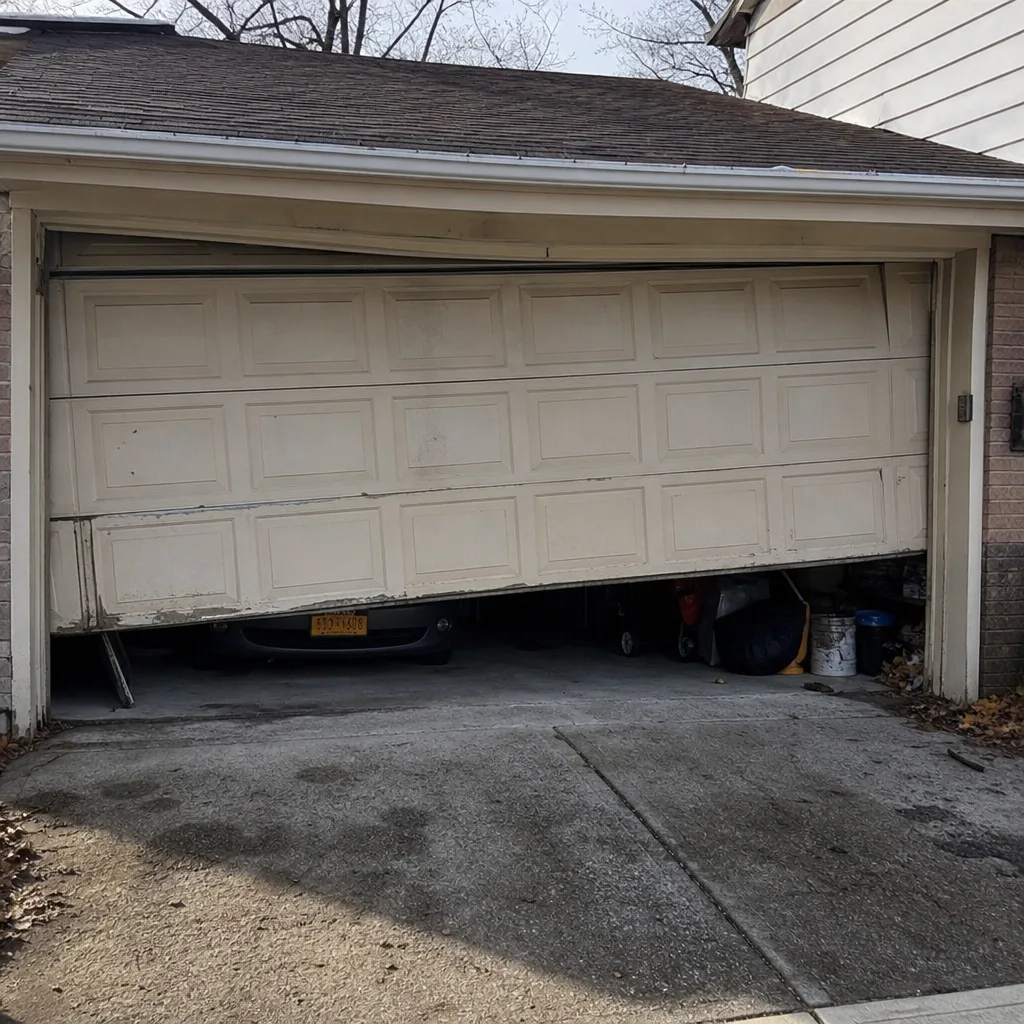 Before
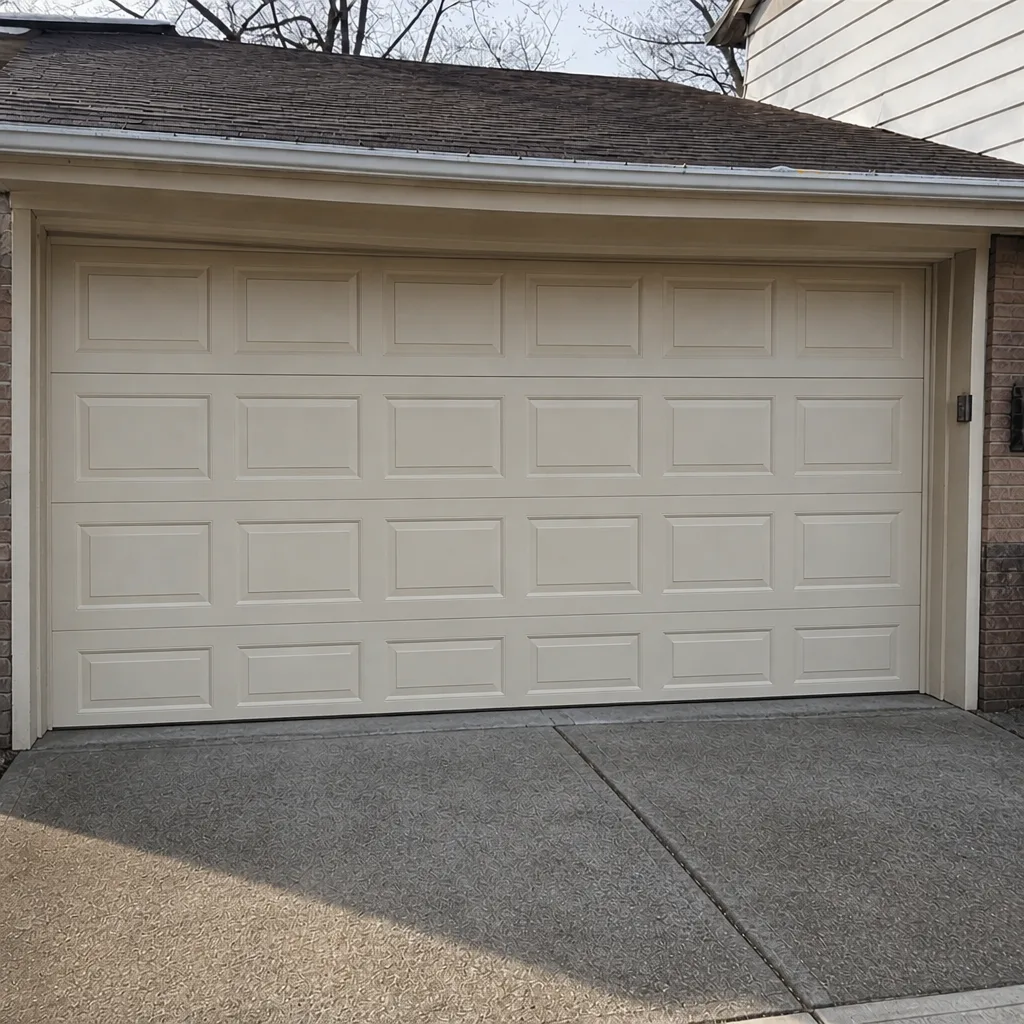 After
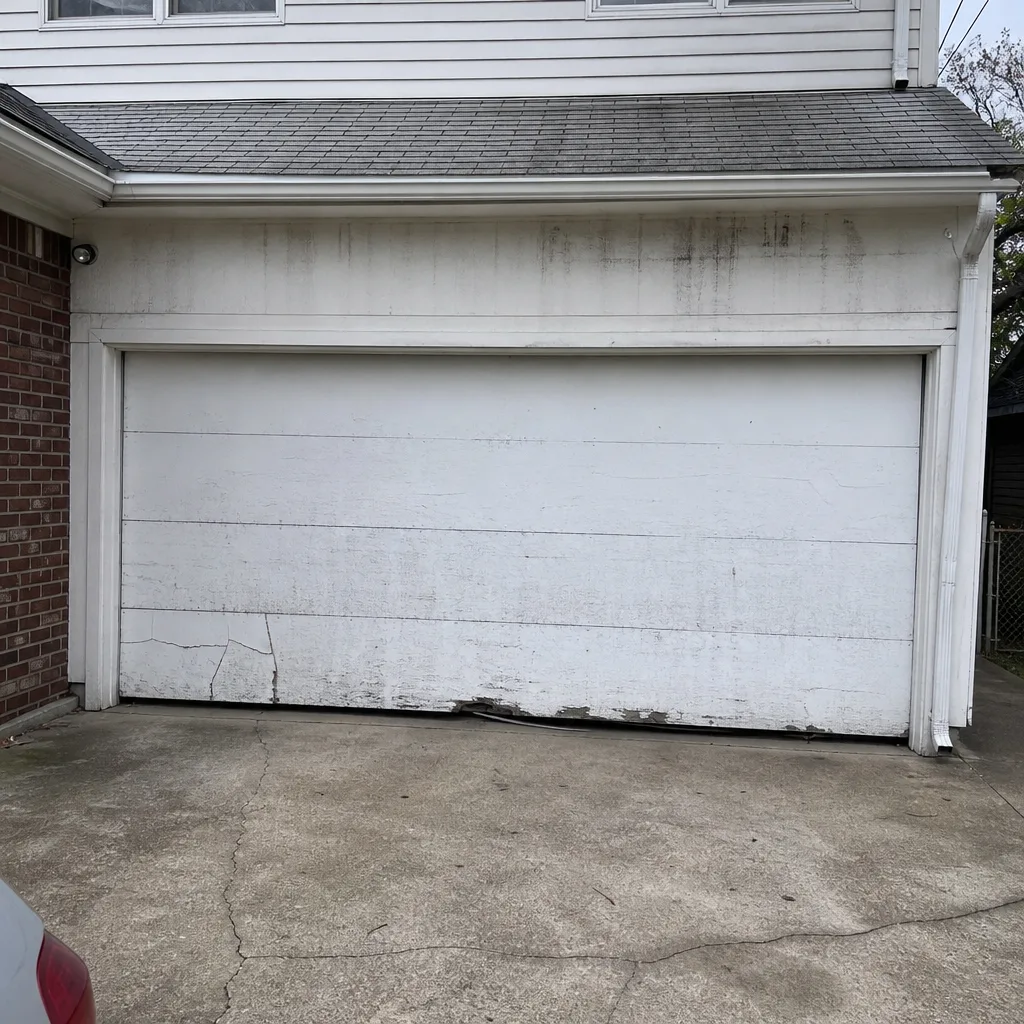 Before
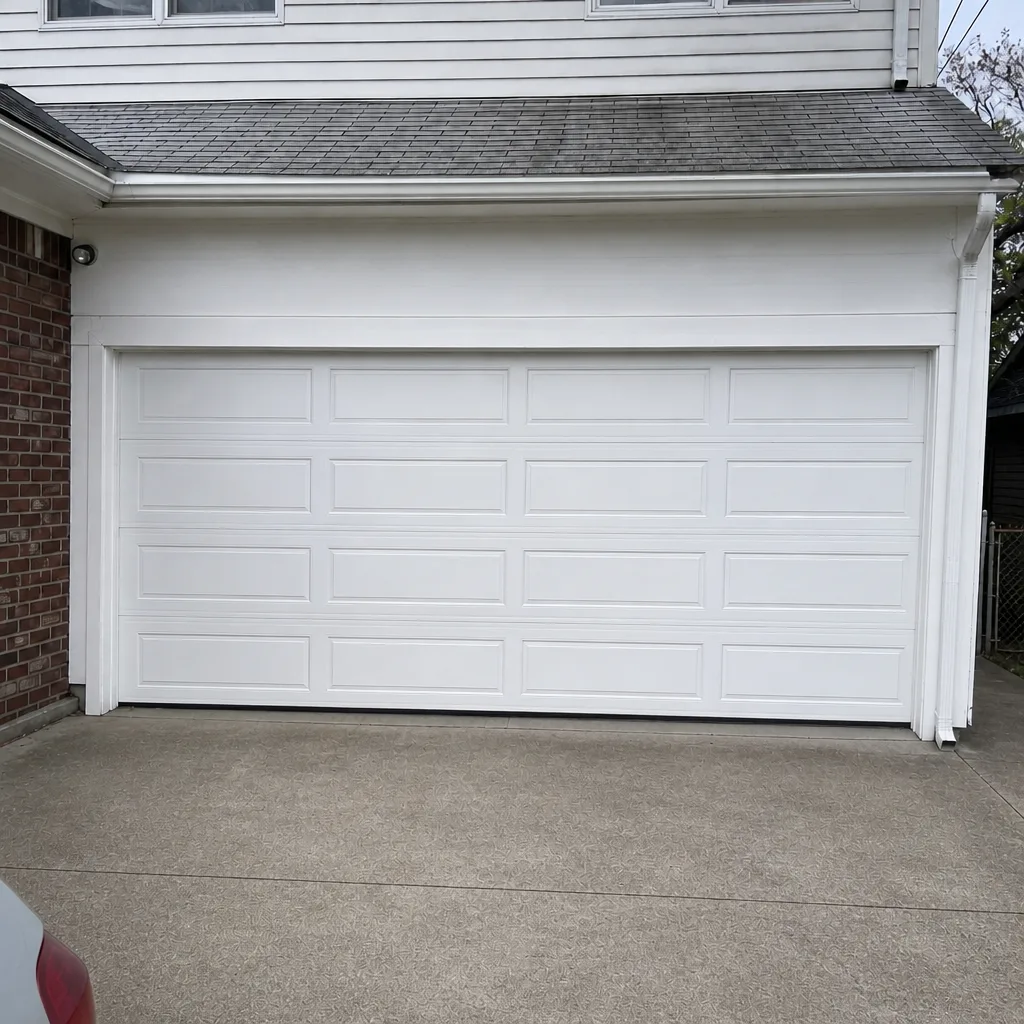 After
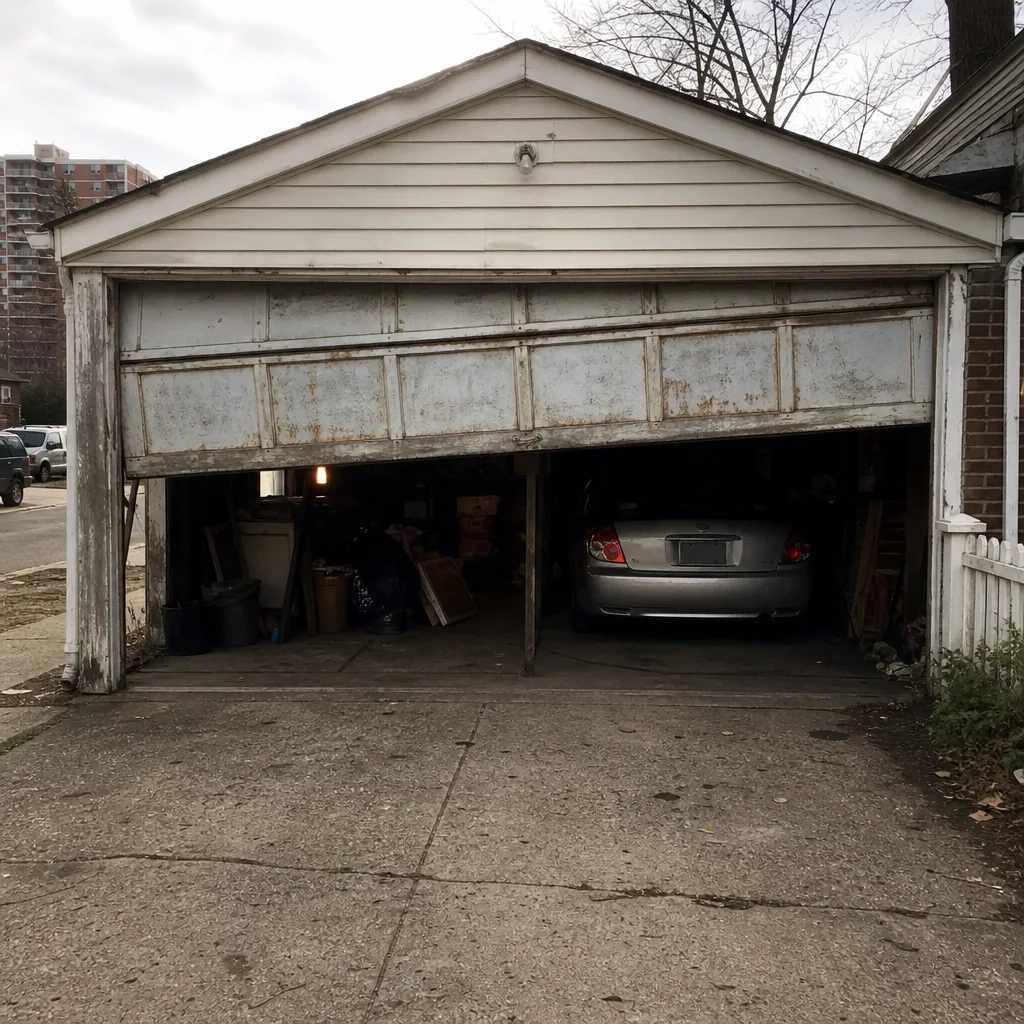 Before
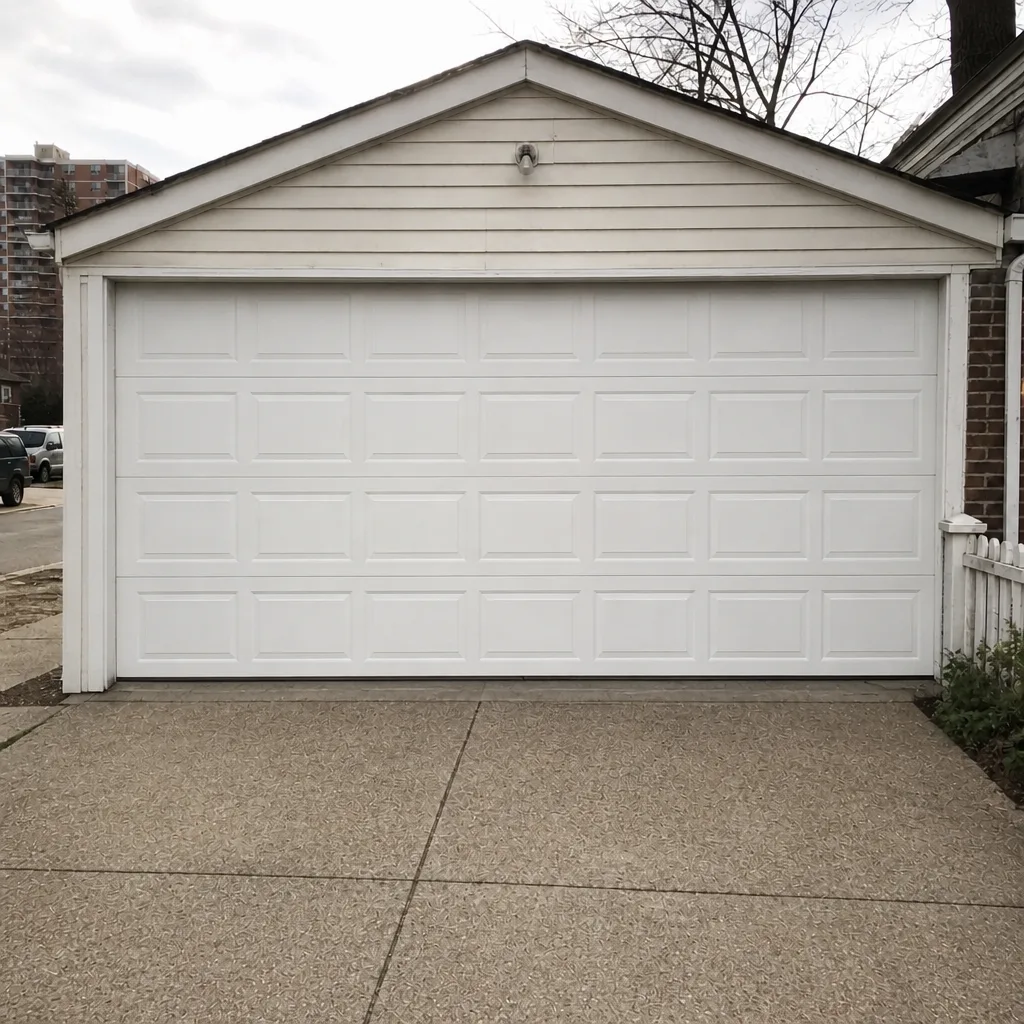 After
When to Call a Professional
Call a professional when you hear a snap, see a broken or slack spring, find a frayed cable, notice the door is jumping off its track, or the door falls faster than normal – those are all Tier 3 signals and mean the door is a hazard. Call for a scheduled visit when the door grinds, moves unevenly, or the opener hesitates or reverses; those symptoms are cheaper to fix before they escalate. Call if you’re not sure what you’re looking at – a professional diagnosis costs less than a missed failure.
Garage Door Repair Co-op City offers free estimates in Co-op City – call (844) 741-4548. Our technicians have up to 10 years of experience, and we work the brand you already have: LiftMaster, Chamberlain, Genie, Clopay, Amarr, Wayne Dalton, Craftsman, and Raynor.
Frequently Asked Questions
The most common warning signs are grinding or squealing during travel, a door that hesitates or reverses partway, visible cable fraying, a cracked bottom seal, and a door that moves unevenly or sags on one side. Catching any of these early means a cheaper repair than waiting for a failure. Call (844) 741-4548 for a free estimate if you spot one.
No – mild squeaks and rattles are usually normal wear, and lubing the track and replacing a single worn roller often quiets them. Grinding, scraping, or snapping are the sounds that point to a real problem. If the noise is consistent and getting worse, schedule service rather than waiting.
Yes – a 60-second visual check of cables, rollers, the bottom seal, springs, and tracks catches most emerging problems. Look at the door in the open position, then watch it move. Do not touch the springs or cables; they’re under tension. If a cable is frayed or a spring shows a gap, stop using the door and call.
A door that reverses before closing usually means the safety photo-eye is misaligned or dirty, or the opener’s force setting is out of adjustment. It’s often a quick fix. Call (844) 741-4548 and our opener repair team can diagnose it.
Cold weather stiffens springs and congeals lubricant, which is why doors squeal or strain on freezing mornings. Freeze-thaw cycles can cause temporary binding, and winter road grit works into tracks and rollers. A seasonal check before the cold hits heads off most problems.
Stop using the door after a loud snap or bang, if a spring is visibly broken or slack, if a cable is frayed to a single strand, or if the door is off its tracks or falls faster than normal. Those are all genuine hazards – call for emergency service rather than running the opener.
The Bottom Line
Your garage door tells you when it’s about to fail – you just need to know what to listen and look for. A grinding roller, a hesitating opener, and a saggng door are all early signals, and each has its own fix. Sort what you find into the three tiers: watch it, schedule service, or stop using the door. In our experience, the Co-op City homeowners who act on Tier 2 signals stay ahead of costly repairs, and the ones who catch a Tier 3 signal and call right away stay safe. Garage Door Repair Co-op City works the brand you already have. Call (844) 741-4548 for a free estimate – our technicians have up to 10 years of experience.
Written by the team at Garage Door Repair Co-op City.