Last updated November 21, 2026
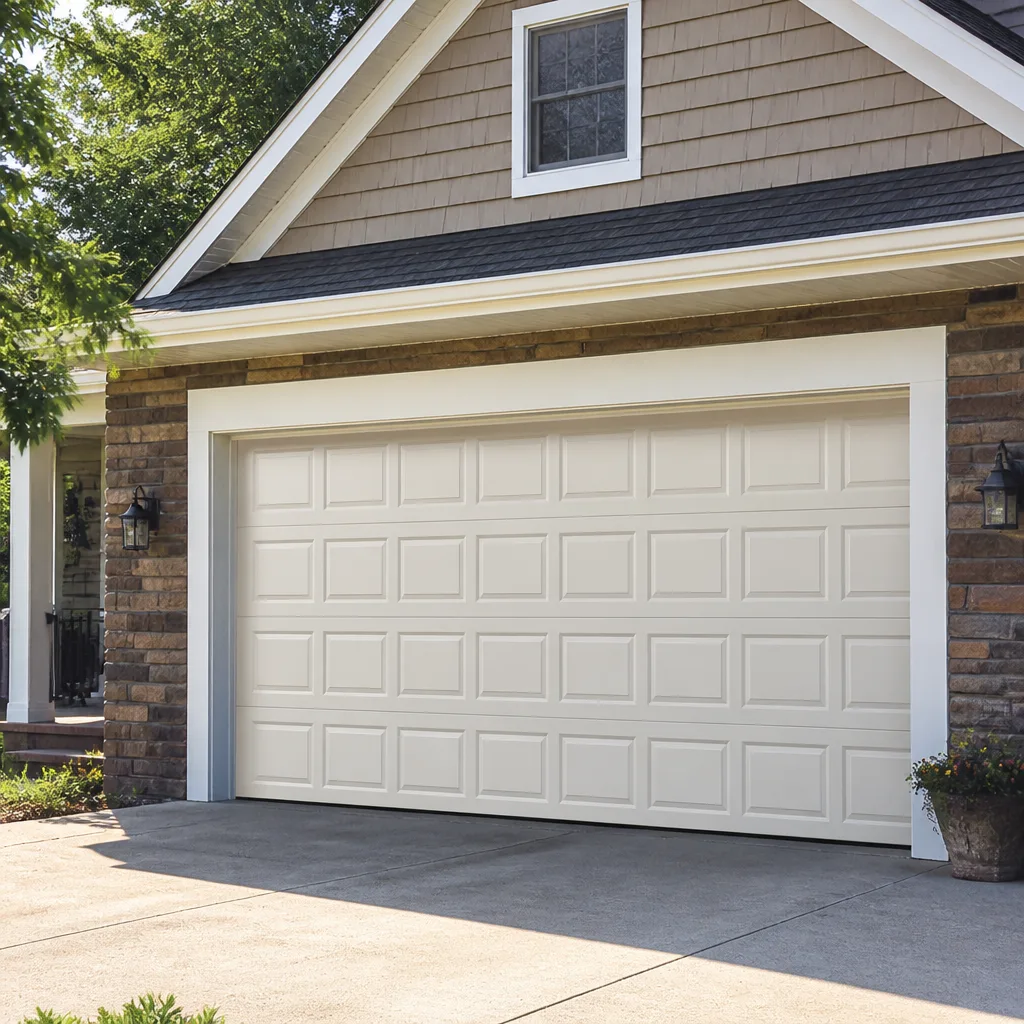 Raised-panel steel
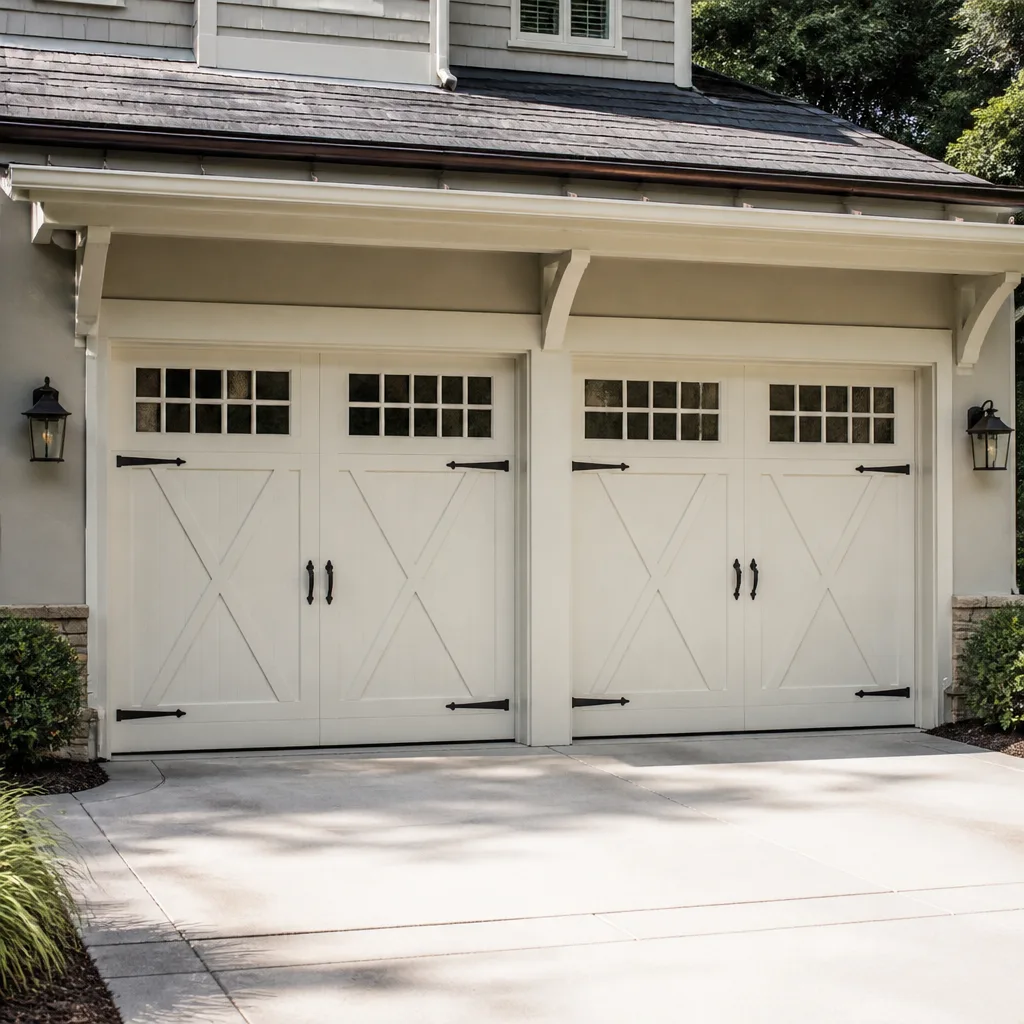 Carriage house
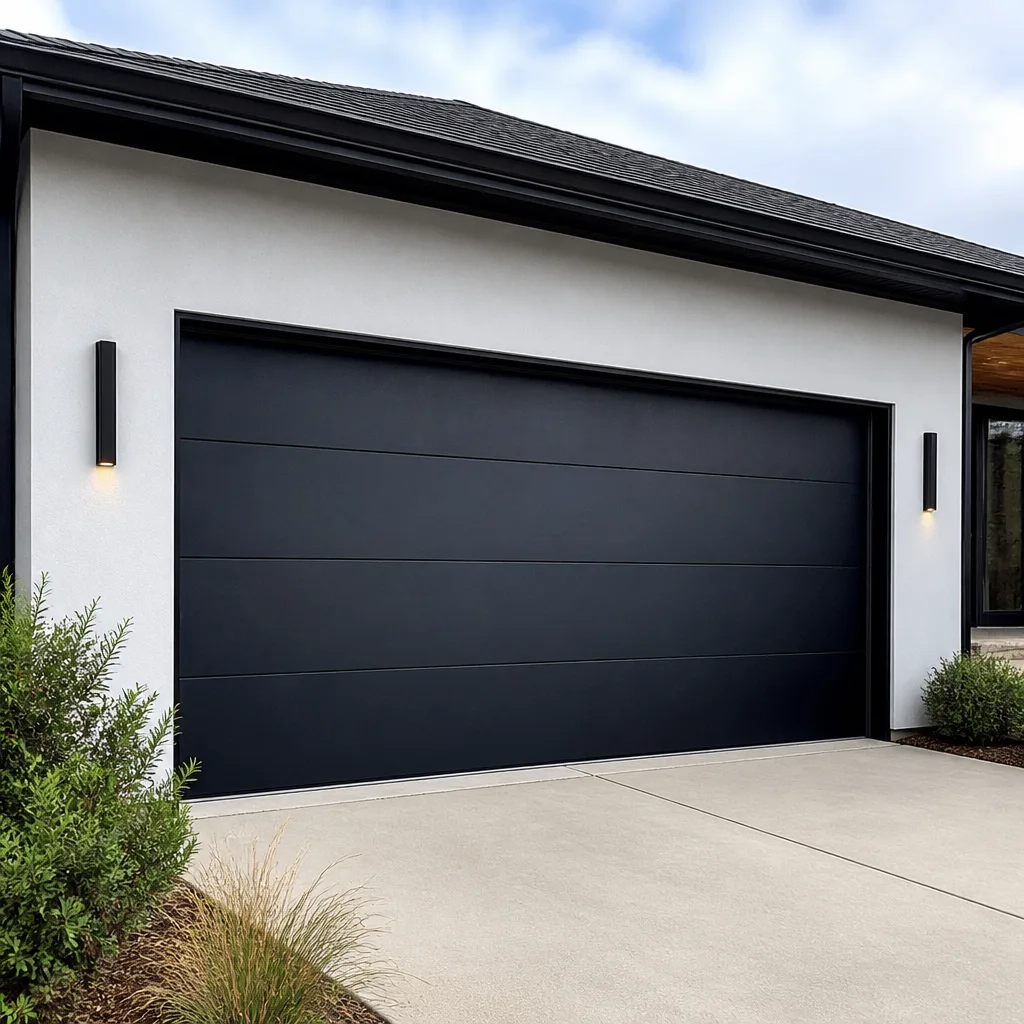 Modern flush
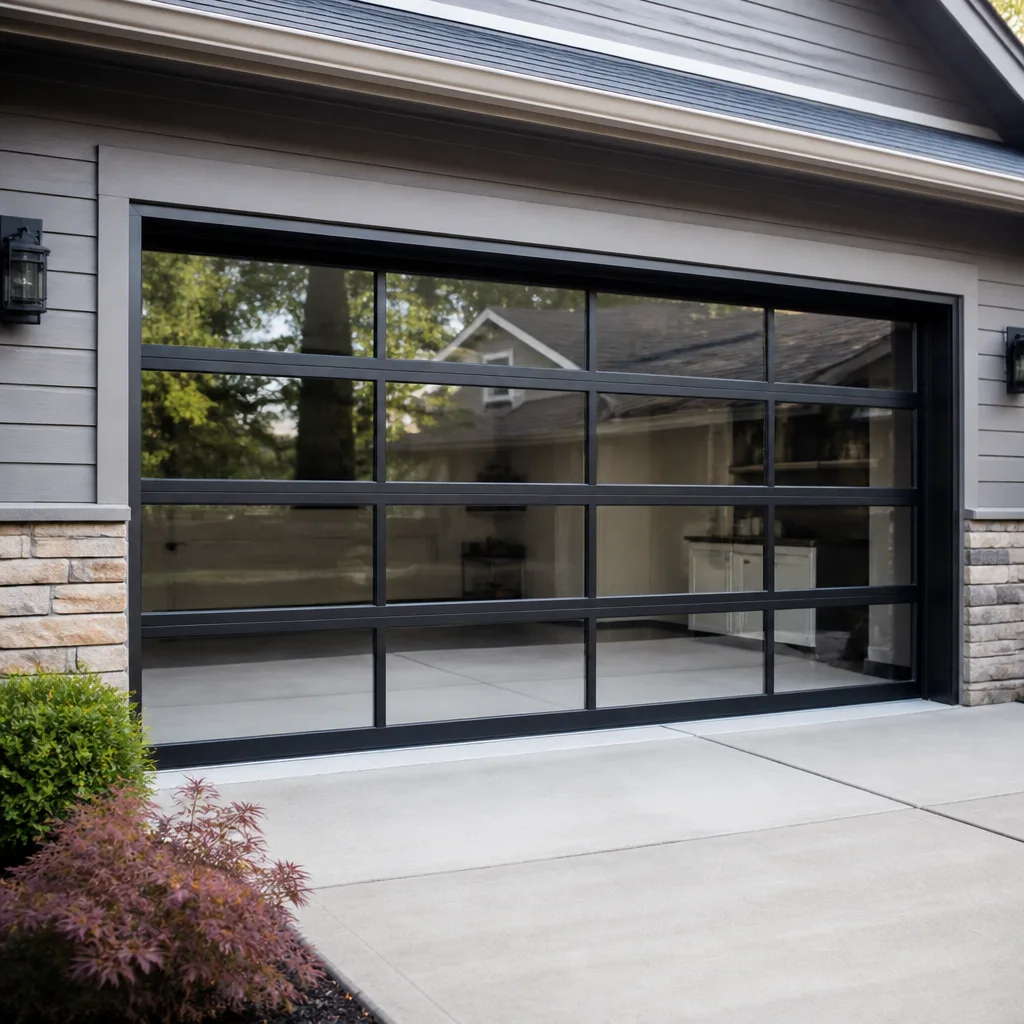 Full-view glass
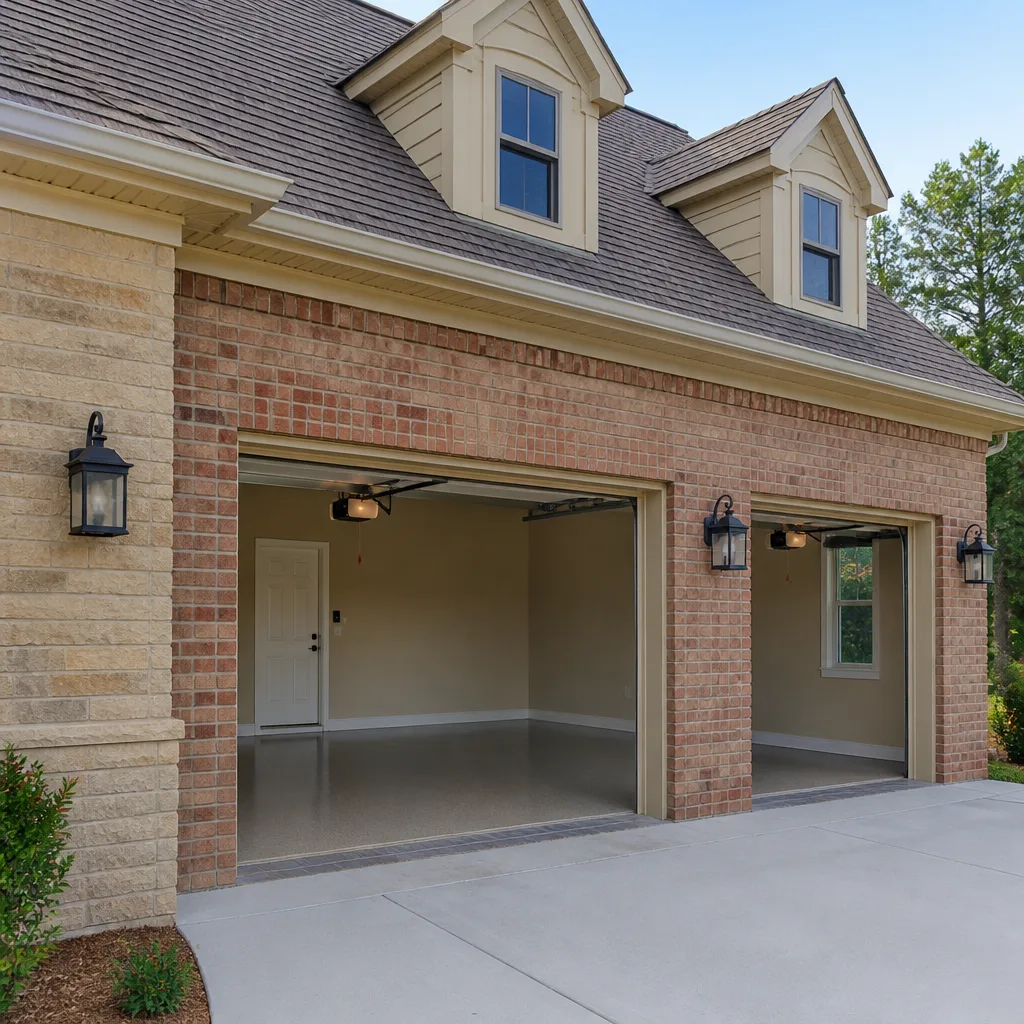 LiftMaster openers
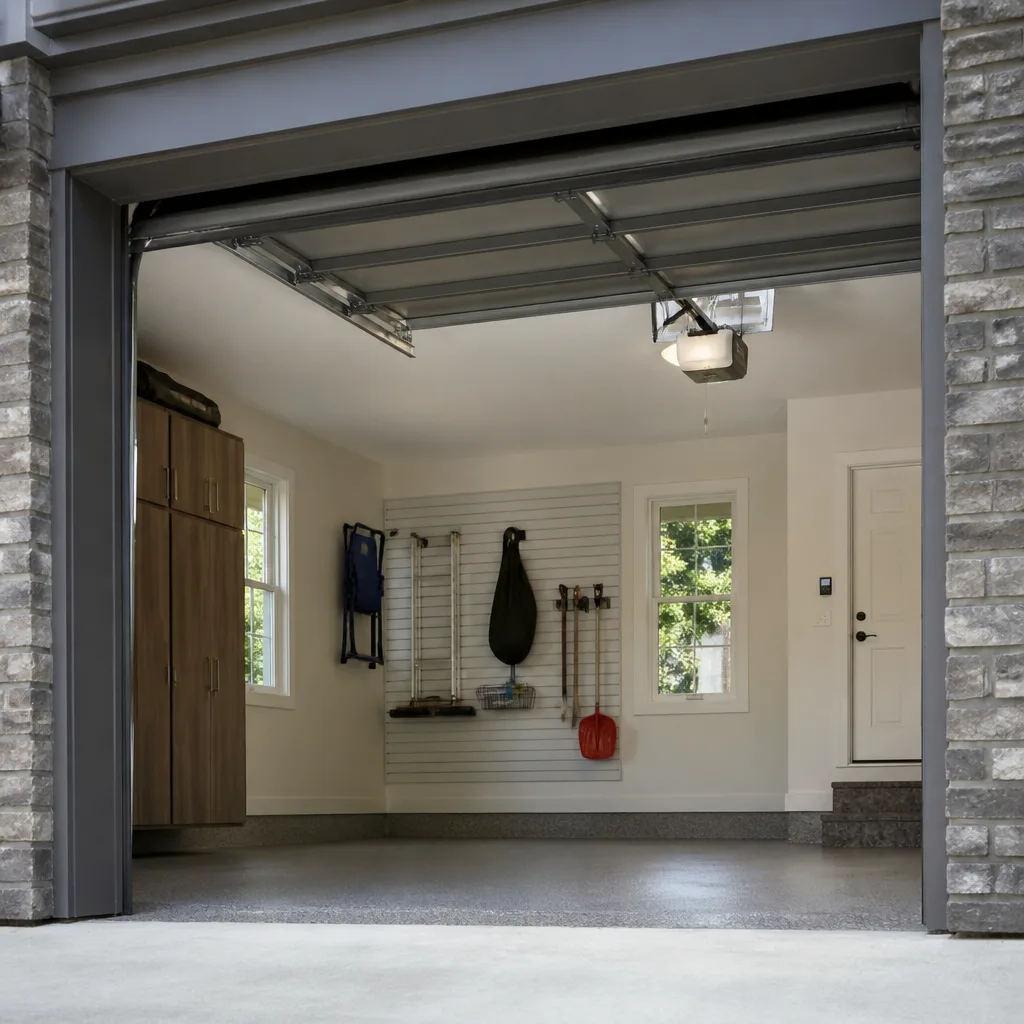 Chamberlain openers
Full 25-point door and opener safety check with every visit - springs, cables, rollers, tracks, and your LiftMaster or Chamberlain opener included
You get a price before we start. It does not change when the pro arrives.
Get your free estimateGarage Door Repair Troubleshooting in Co-op City: Common Problems and How to Fix Them
A garage door that reverses before it closes and a door that won’t move at all look like completely different problems. Homeowners often treat one as a sensor glitch and the other as a dead opener. In plenty of cases they share the same root cause, and mixing up the two is the most common reason people pay for repairs their door didn’t need. Before you search for a fix, it helps to know what your door is actually telling you. This guide maps Co-op City garage door sounds, movements and stalls to the parts that usually cause them, walks you through safe checks you can do yourself, and shows you where the work stops being a homeowner job and becomes a professional repair.
Quick Answer
Most garage door failures in Co-op City come down to four culprits: broken springs, damaged cables, misaligned safety sensors, or a worn opener drive system. You can usually identify which one you’re facing by listening to the sound, watching how the door moves, and running a simple three-step test before you call anyone. Springs and cables are dangerous to touch. Sensors, remotes and wall buttons are safe to check yourself.
Styles & brands we work with
- Raised-panel steel
- Carriage house
- Modern flush
- Full-view glass
- LiftMaster openers
- Chamberlain openers
Table of Contents
- Symptom-to-Cause Map: What Your Door Is Telling You
- How to Tell a Broken Spring From a Snapped Cable
- The 5-Minute Safety Sensor Check
- Why Cold Snaps in the Bronx Break Springs
- The Three-Step Test: Door, Opener, or Wall Circuit?
- Brand-Familiar Diagnostics and the Right Parts
- Which Repairs Are Genuinely Dangerous
- Seasonal Watch List for Co-op City Doors
Symptom-to-Cause Map: What Your Door Is Telling You
Sound is the fastest diagnostic tool you have, and it costs nothing. A garage door that’s working properly runs with a low, steady hum from the opener and a soft roll from the tracks. Anything sharper than that deserves attention. Here’s how we map the sounds Co-op City homeowners describe to the parts that cause them.
- Loud bang, then the door won’t lift. Almost always a broken torsion spring. The bang happens when the spring snaps under tension, and the door suddenly feels extremely heavy because nothing is counterbalancing it anymore. Stop pulling on it.
- Grinding that gets worse as the door rises. Usually worn rollers or dry, pitted tracks. Sometimes the opener’s gear and sprocket are stripping. Grinding that comes from overhead is the opener. Grinding that tracks the door’s movement is the hardware.
- Popping or snapping near the top corners. A cable that’s jumped its drum or a frayed cable strand catching. Cables are under the same dangerous tension as springs and should never be handled by a homeowner.
- Scraping along one side. The door is out of alignment in its track, often after a bump from a car or a bent section. Forcing it makes the bend worse.
- Clicking but nothing moves. That’s usually electrical, not mechanical: a wall button, a remote battery, or a safety sensor interrupting the circuit. The opener motor may be perfectly fine.
Every one of these falls under the umbrella of garage door repair, but the urgency and the safety risk are different for each. Match the symptom first, then decide whether you’re looking at a same-day problem or something that can wait for a scheduled visit.
How to Tell a Broken Spring From a Snapped Cable
A broken spring and a snapped cable both leave the door stuck, and telling them apart matters because the risk profile is the same for both: high. You should confirm which one you’re dealing with from a distance, without touching anything. Look up at the torsion bar above the door. A broken torsion spring usually shows a clean gap in the coil, often with the two halves separated. Extension springs, which run alongside the tracks on some older doors, show a stretched or dangling spring with a visible break.
A snapped cable looks different. The cable runs from the bottom corner brackets up to the drum at the top of the door, and when it fails you’ll see loose wire hanging or a drum with slack cable wound around it unevenly. Sometimes the cable is still intact but has jumped the drum, which produces the same stuck-door result.
Here’s the part that matters: both of these components are under hundreds of pounds of tension, and both can release violently if disturbed. Do not try to lift the door by hand to “test” it. Do not cut, unwind, or adjust anything on the torsion bar. Do not pull on a loose cable. A door with a failed spring or cable is also a security problem, because it often can’t be locked down properly, which is why we treat these as urgent calls rather than next-week appointments.
Once you’ve confirmed the symptom from a safe distance, the next step is a phone call. Our technicians have up to 10 years of experience with exactly these failures, and spring repair is a job we handle with the proper winding bars and training, not improvised tools.
The 5-Minute Safety Sensor Check
If your door goes up fine but reverses before it touches the floor, or refuses to close at all, the safety sensors are the first thing to check. These are the two small lenses mounted near the floor on each side of the door opening. They shoot an invisible beam across the opening, and if anything interrupts that beam, the door reverses by design. This check takes under five minutes and needs only your phone’s flashlight.
- Look at the indicator lights. Most sensors have a small LED. A steady light on both units usually means the beam is aligned; a flickering or dark light on one side points to a misalignment or a power issue.
- Wipe both lenses. Dust, cobwebs and winter road grime build up on the lenses and block the beam. A dry cloth is enough.
- Check for obstructions. In Co-op City, where garages often sit close to walkways and shared driveways, it’s common for a broom, a recycling bin, or a piece of stored equipment to drift into the beam path.
- Test alignment with your flashlight. Shine your phone light directly into the lens of one sensor while watching the other. If the receiving unit’s light doesn’t respond, the two units are probably aimed slightly off each other. Gently adjust one at a time and recheck.
- Confirm the sun isn’t the culprit. Low sunlight hitting a sensor lens can mimic a blockage. If the door only fails at certain times of day, that’s a strong hint.
If the lights are steady, the lenses are clean, and the door still reverses, the problem has moved past the sensor and into the opener’s logic board or the travel limits. That’s when it makes sense to look at garage door opener repair rather than keep adjusting the sensors.
Why Cold Snaps in the Bronx Break Springs
Garage door springs fail more often in cold weather than in summer, and there’s a straightforward mechanical reason. Steel becomes less ductile as temperatures drop. A spring that’s been cycling thousands of times develops micro-cracks, and in mild weather those cracks might hold for months. When the Bronx gets a hard cold snap, the metal contracts and stiffens, the stress on those weakened points spikes, and the spring lets go.
Co-op City sits in a part of the Bronx that sees real winter temperature swings, and the housing stock here includes a lot of attached garages that stay colder than detached ones because they share walls with the living space and lose heat differently. The result is that spring failures cluster around the first hard freeze of the season and again during any mid-winter thaw-and-refreeze cycle.
What to watch for as the weather turns:
- Slower, heavier door movement on cold mornings. If the door suddenly feels like it’s straining, the spring may already be weakening.
- New noises that weren’t there in the fall. Cold thickens lubricant and stiffens rollers, but a sharp pop is different from general stiffness.
- Visible gaps or sagging in the spring coil when you look up from a safe distance.
- A door that opens but won’t stay up on its own. That’s a sign the spring has lost tension.
Seasonal awareness won’t prevent every failure, but it helps you recognize one quickly. If your door is already showing these signs, a call now is cheaper than an emergency later.
The Three-Step Test: Door, Opener, or Wall Circuit?
When the door won’t move, the biggest question is whether the problem lives in the door itself, the opener motor, or the wiring that tells the opener what to do. This sequence isolates each layer and takes about ten minutes. All of it is safe to do.
- Test the wall button. Press the hardwired wall control inside the garage. If the door moves, the opener and door are both fine and your problem is in the remote or its battery. Replace the remote battery and re-pair it. If nothing happens, move to step two.
- Test the opener’s manual release. With the door closed, pull the red release cord to disconnect the door from the opener rail. Then try lifting the door by hand. A door that lifts with moderate, even effort is balanced and healthy; the problem is the opener. A door that feels extremely heavy or won’t budge points to the door hardware or a broken spring. Reconnect the release before you go further, and don’t force a heavy door.
- Test the opener’s response. With the door reconnected, press the wall button and listen. A single click with no motor sound suggests a logic board or capacitor issue. A motor that runs but doesn’t move the door suggests a stripped gear or a chain that’s come off. Silence plus no light on the opener unit often means a tripped breaker or a dead outlet, not a door problem at all.
This sequence matters because it prevents the most expensive mistake in troubleshooting: replacing an opener when the actual fault is a $10 remote, or paying for a sensor repair when the spring has snapped. If the test points to the opener, our team works across the major opener lines including LiftMaster, Chamberlain, Genie and Craftsman, which means faster diagnosis and same-brand parts rather than a generic substitute.
Brand-Familiar Diagnostics and the Right Parts
Garage doors are really two systems bolted together: the door hardware and the opener drive. A door built by Amarr, Clopay, Wayne Dalton or Raynor has its own spring sizing, track geometry and hinge pattern. An opener from LiftMaster, Chamberlain, Genie or Craftsman has its own logic board, travel-limit settings and remote pairing procedure. Problems almost always live on one side or the other, and knowing which brand you’re looking at shortens the diagnosis considerably.
This is why we’re qualified to service all eight of those major lines. When a homeowner in Co-op City describes a door that reverses at the same spot every time, we can often rule out door hardware immediately because we know how that brand’s opener handles its down-limit. When a door binds at a specific height, the brand of the door tells us which hinges and rollers to check first.
The practical benefit is simple: right parts, right brand, first visit. It also matters for garage door installation, because a new door has to be matched to the existing opener’s capacity, and the reverse is true as well. If you’re replacing one side of the system, the other side has to be compatible.
Which Repairs Are Genuinely Dangerous
Not every garage door problem is equally risky, and being honest about that helps homeowners decide what to attempt and what to leave alone. Sensors, remotes, wall buttons and lubrication are all reasonable homeowner territory. Springs and cables are not.
Garage door springs are under hundreds of pounds of tension even when the door is down. A torsion spring that’s being wound or unwound incorrectly can release with enough force to cause serious injury, and there’s no safe way to improvise the tools. The same goes for cables, which run under tension and can whip when they slip a drum. If your three-step test or your sound diagnosis points to either of these, stop there. This is a professional repair, full stop.
Beyond the physical risk, a door with a failed spring or cable is often a security risk too. It may not close fully, it may not lock, and it may be sitting in a partly open position that’s easy to force. In a Co-op City building where garages share walls and access points, that’s not something to leave overnight. Emergency garage door service exists for exactly this situation, and it’s worth using it.
Seasonal Watch List for Co-op City Doors
Troubleshooting isn’t only about what’s broken now. It’s about what’s likely to break next, given how your door is used and what the weather is doing. Co-op City doors cycle through a real four-season pattern, and each season brings its own predictable failure modes.
- Late fall: the first cold nights stiffen lubricant and stress weakened springs. Check for slow, heavy movement and listen for new sounds.
- Deep winter: freeze-thaw cycles work on cables and track alignment. Snow and ice pushed against the bottom seal can also force the door out of its track.
- Spring: temperature swings expand and contract metal, and doors that sat idle through a cold stretch often reveal alignment issues on first regular use.
- Summer: heat softens seals and can warp older wooden panels. Opener motors run hotter and logic boards are more likely to act up in prolonged heat.
If you keep a simple log of when you last lubricated the rollers and hinges and when you last tested the sensors, you’ll spot changes faster. A door that’s been quiet all season and suddenly isn’t is telling you something.
Common Mistakes to Avoid
- Forcing a heavy door by hand. If the door feels extremely heavy, a spring or cable has likely failed. Pulling harder can drop the door or damage the tracks beyond repair. Stop and call.
- Assuming a reversing door needs a new opener. Nine times out of ten it’s a sensor issue, and the sensor check above takes five minutes. Replacing an opener for a misaligned sensor is the most avoidable expense in this trade.
- Adjusting the torsion spring yourself. This is the single most dangerous mistake a homeowner can make with a garage door. Springs are under hundreds of pounds of tension and require proper winding bars and training.
- Ignoring a small track bend. A minor dent from a bumper or a bicycle becomes a full track replacement once the door has cycled against it a few hundred times.
- Using the wrong lubricant. Heavy grease attracts grit and gums up rollers. A light garage-door-specific lubricant on hinges and rollers is the right call, and less is more.
- Skipping the remote battery test. Before you book any repair, replace the remote battery and re-pair it. It’s free to check and it resolves a surprising number of “dead opener” calls.
- Leaving a failed door unlocked overnight. A door that won’t close properly is a security gap in a shared building. Treat it as urgent rather than waiting for a convenient appointment.
See the difference
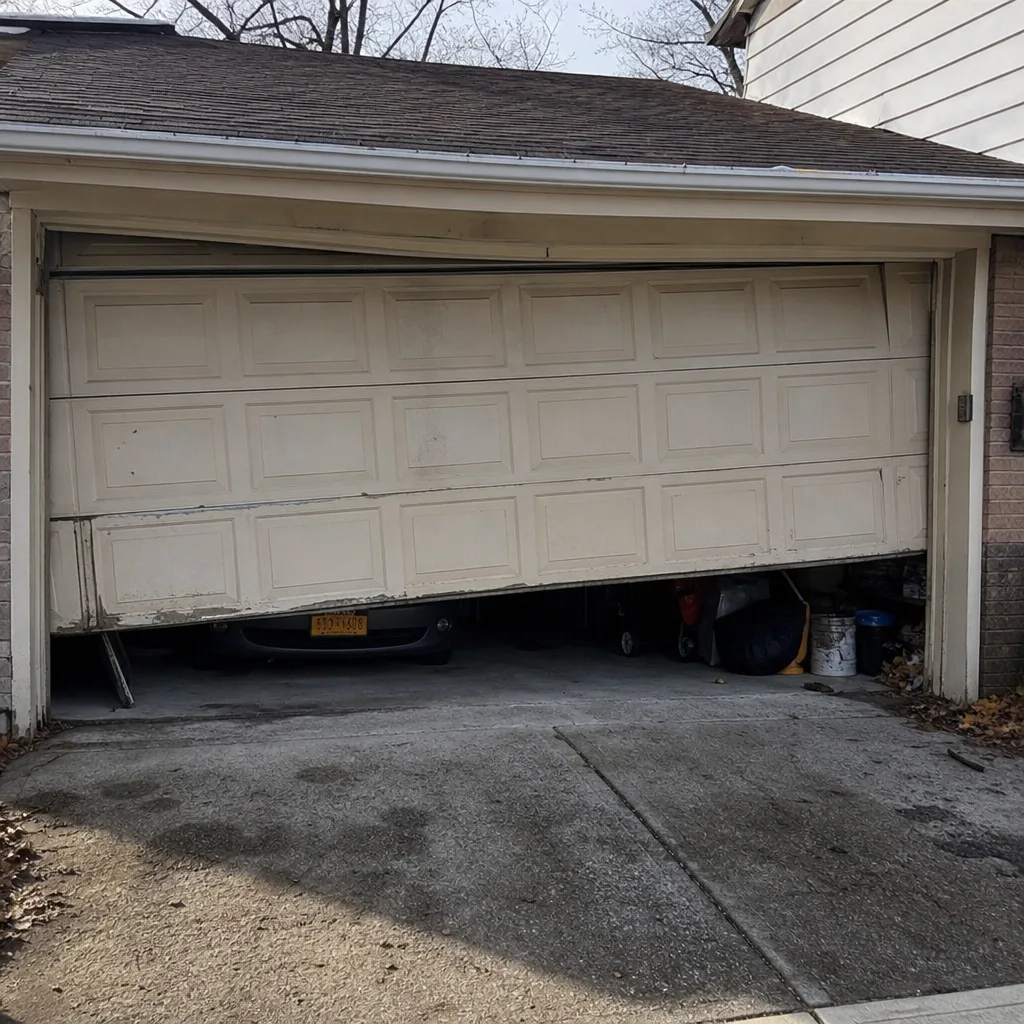 Before
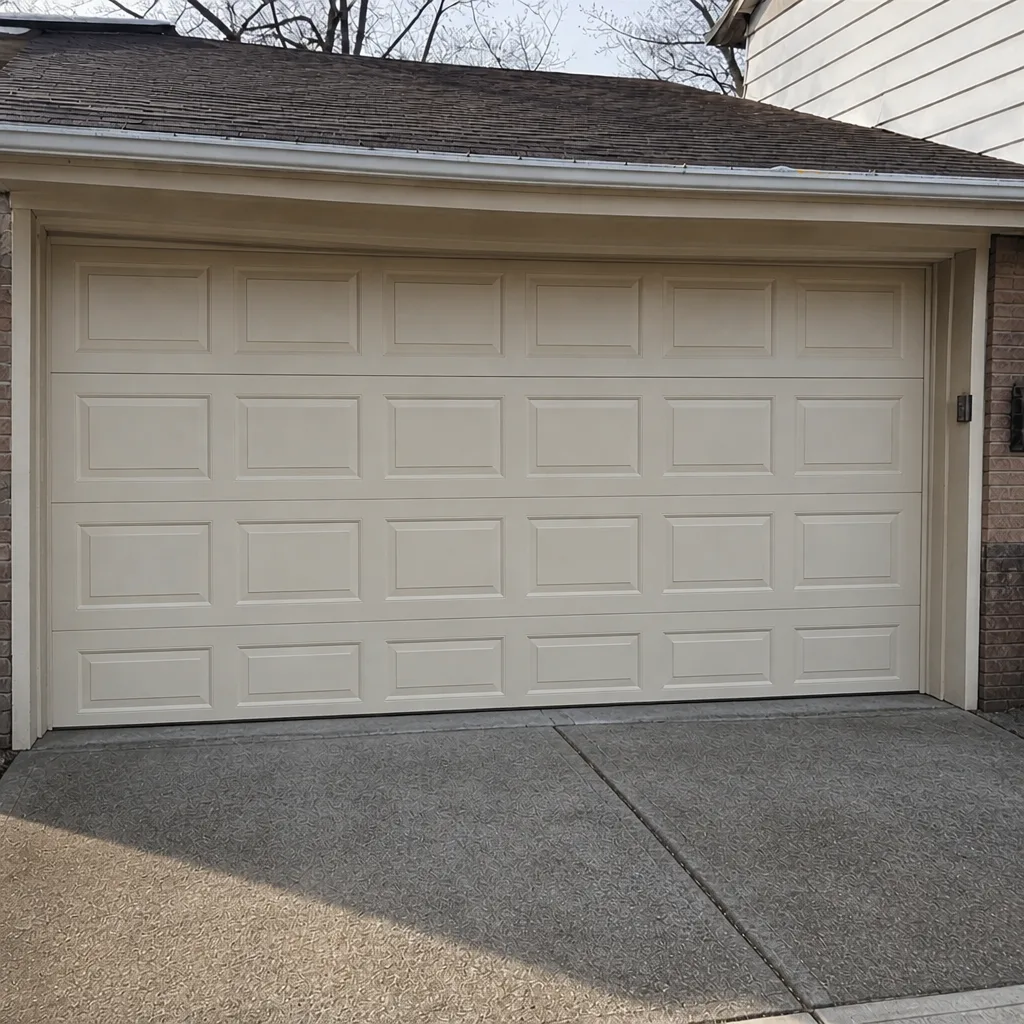 After
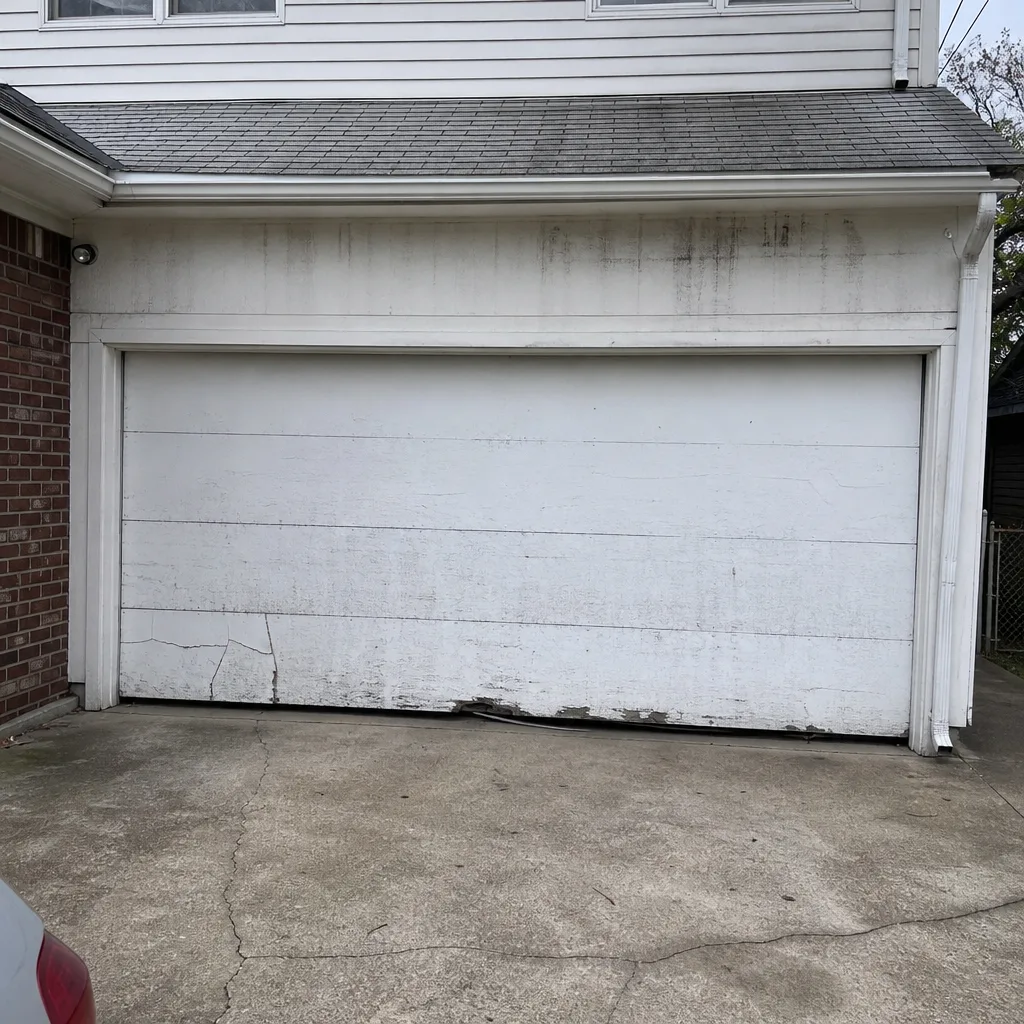 Before
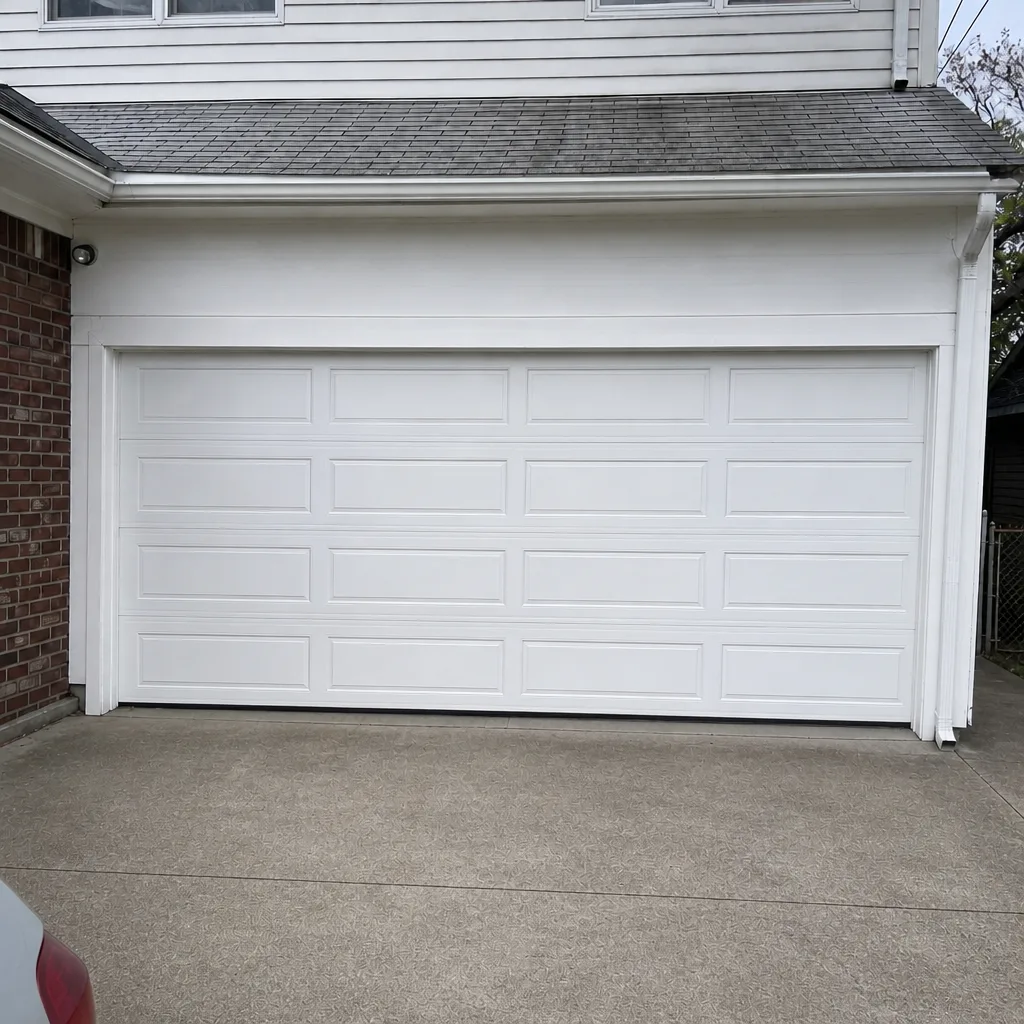 After
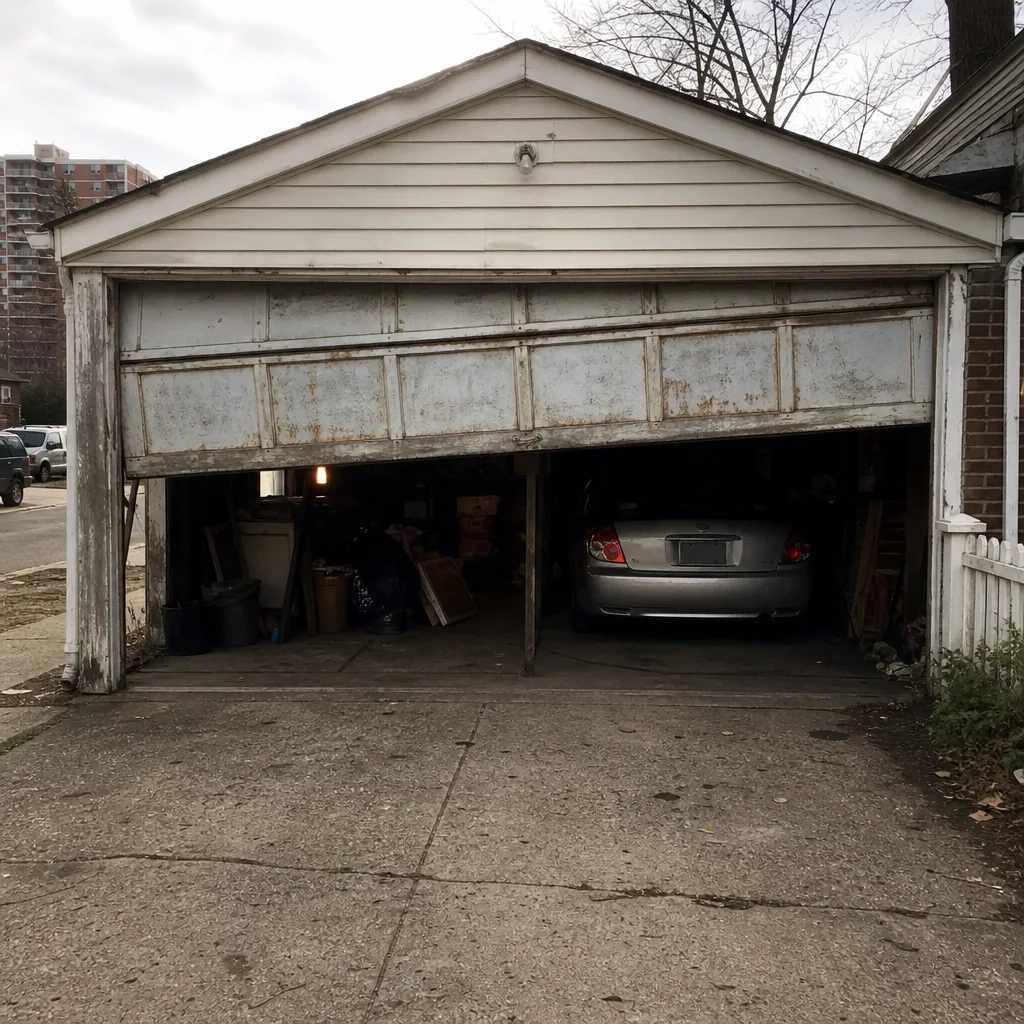 Before
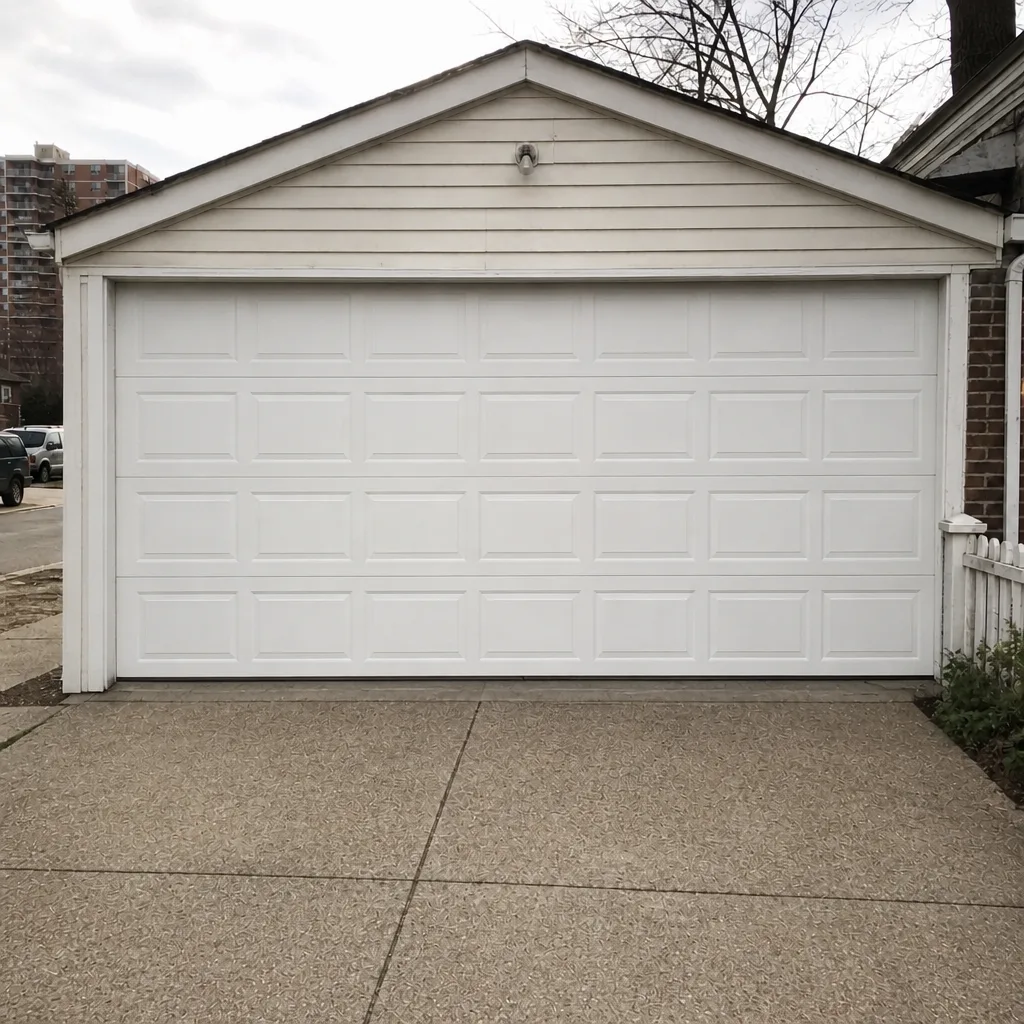 After
When to Call a Professional
Call a professional immediately if you hear a loud bang from the torsion bar, if the door feels extremely heavy when you try to lift it manually, if a cable is visibly loose or hanging, or if the door has come off its tracks entirely. Those are safety and security situations, not maintenance items. Also call if the three-step test points to the opener’s logic board or a stripped gear, since those need brand-specific parts. For everything else, a scheduled visit is fine. Garage Door Repair Co-op City offers free estimates in Co-op City. Call (844) 741-4548 and describe what your door is doing. Our technicians have up to 10 years of experience, and we work on the brand you already have.
Frequently Asked Questions
Repair costs depend on the part and the brand, which is why we quote after diagnosis rather than over the phone. The written estimate sets the final price, and we agree it with you before any work starts. Call (844) 741-4548 for a free estimate.
Spring failures are treated as urgent because they’re both a physical hazard and a security gap. We’re open Sunday through Friday, 7am to 7pm, and closed Saturday, so call (844) 741-4548 and we’ll book the earliest available slot. If your door fails on a Saturday, call and we’ll schedule you for Sunday.
Look from a safe distance: a broken torsion spring usually shows a clean gap in the coil, while a snapped cable appears as loose wire or an unevenly wound drum. Do not touch either one. Both are under high tension and need a trained technician.
The safety sensors are almost always the cause. Wipe the lenses, check for obstructions in the beam path, and confirm both indicator lights are steady. If the problem persists after that, it’s likely the opener’s travel limits or logic board, which needs a professional look.
Yes. We’re qualified to service LiftMaster, Chamberlain, Genie, Clopay, Amarr, Wayne Dalton, Craftsman and Raynor. That covers both the door hardware and the opener drive, so you don’t need a second contractor for either side of the system.
The local professionals we connect you with are licensed and insured as their state requires. Our technicians have up to 10 years of experience, and we handle spring repair with proper tools and training. Call (844) 741-4548 to discuss your door.
The Bottom Line
Most Co-op City garage door failures come down to four causes: springs, cables, sensors, or the opener drive. Reading the symptom accurately before you call saves you from paying for the wrong repair. Listen to the sound, watch how the door moves, and run the three-step test to isolate whether the problem is the door, the opener, or the wall circuit. Check your sensors with a flashlight before assuming the worst. Leave springs and cables to a trained technician, because the tension in those components is genuinely dangerous. Keep an eye on your door as the seasons change, and treat a failed door as a security issue rather than an inconvenience. If you’re not sure what you’re hearing, call us and describe it.
For troubleshooting help, spring repair, opener repair, or a full replacement, start with Garage Door Repair Co-op City. We work on the brand you already have, and one call covers the full job. Call (844) 741-4548 for a free estimate.
Written by the team at Garage Door Repair Co-op City.